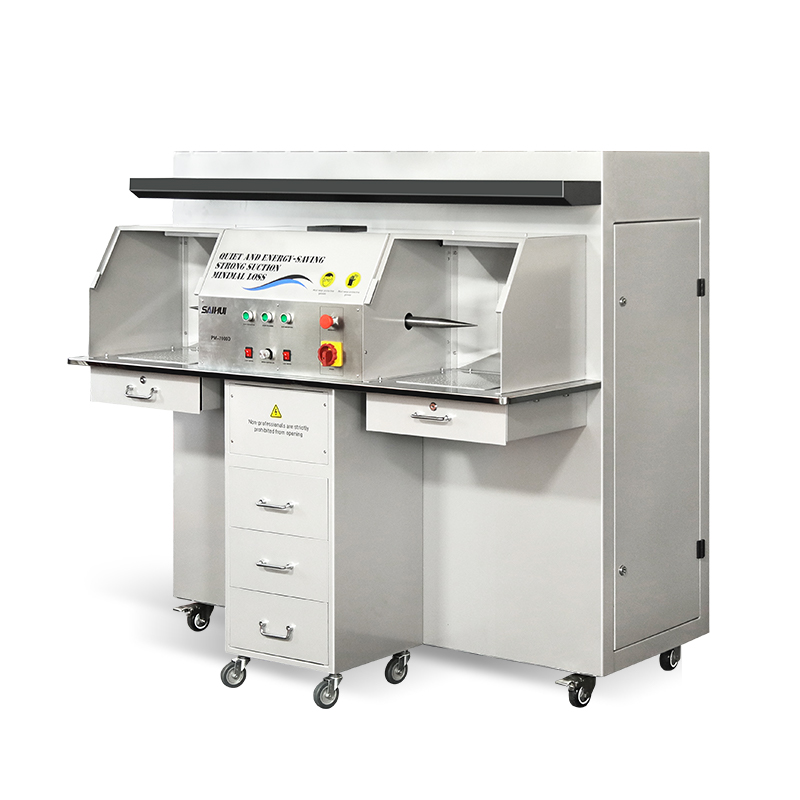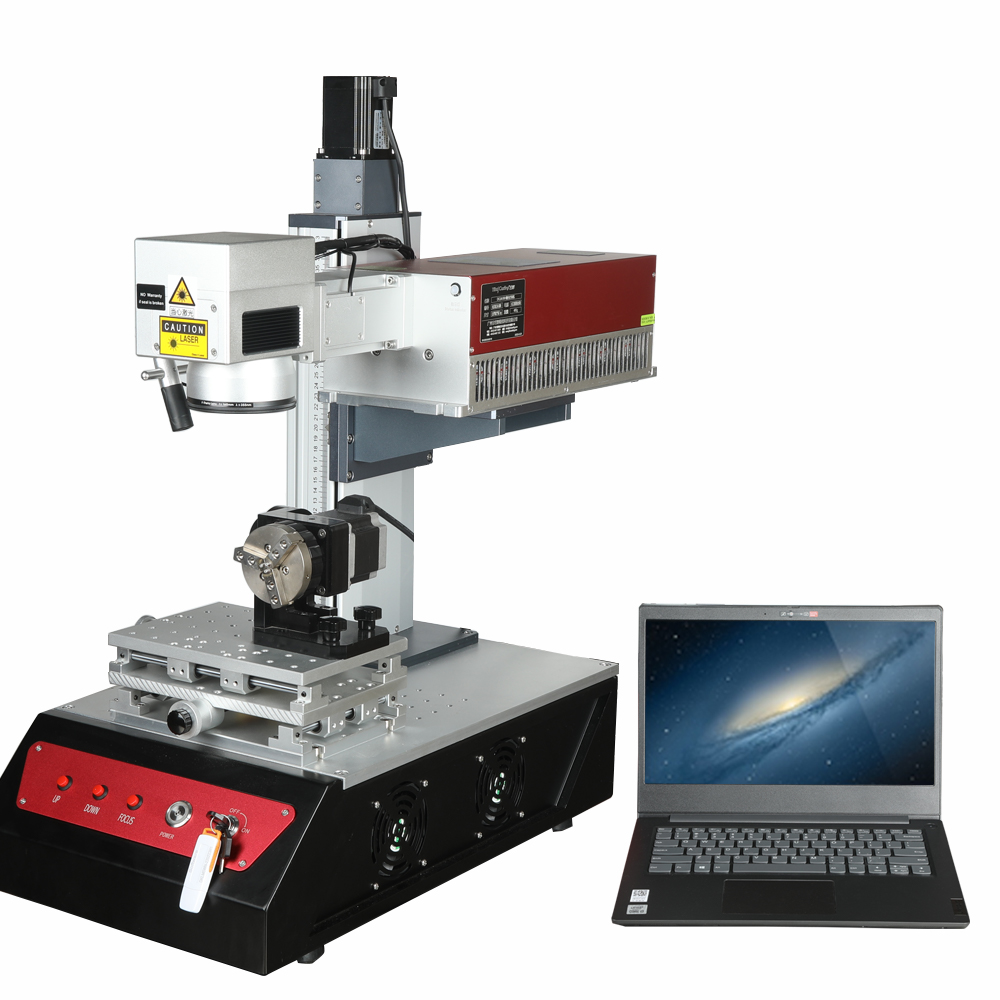
Introduction: The Digital Shift in Jewelry ManufacturingCustom jewelry design has undergone a profound transformation over the past decade, driven largely by the integration of digital technologies into traditional workshop practices. Among these technologies, the laser machine for jewelry stands out as a genuine game-changer. What once required hours of meticulous handwork—engraving intricate patterns, cutting delicate filigree, or marking hallmarks on precious metals—can now be accomplished in minutes with micr···...
Read More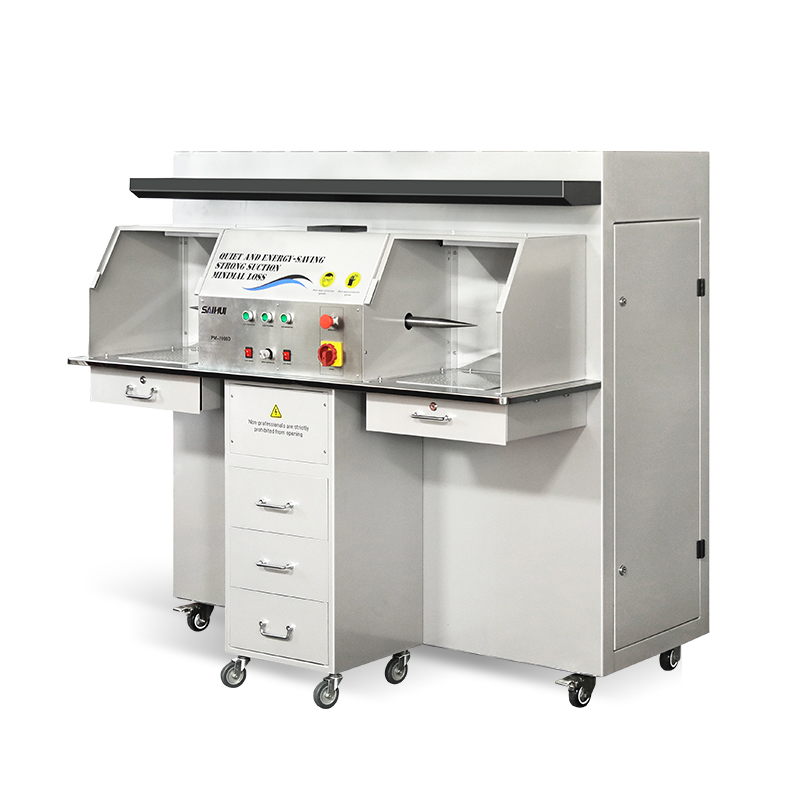
Understanding which surface defects a jewelry polishing machine can resolve and which require upstream process correction is critical for jewelry manufacturers managing both quality and production efficiency. Polishing machines are powerful surface modification tools, but they operate within specific physical and mechanical limitations. Expecting a polishing machine to fix defects rooted in casting, mold-making, or alloy composition errors leads to wasted cycle time, excessive media consumption, persistent quality ···...
Read More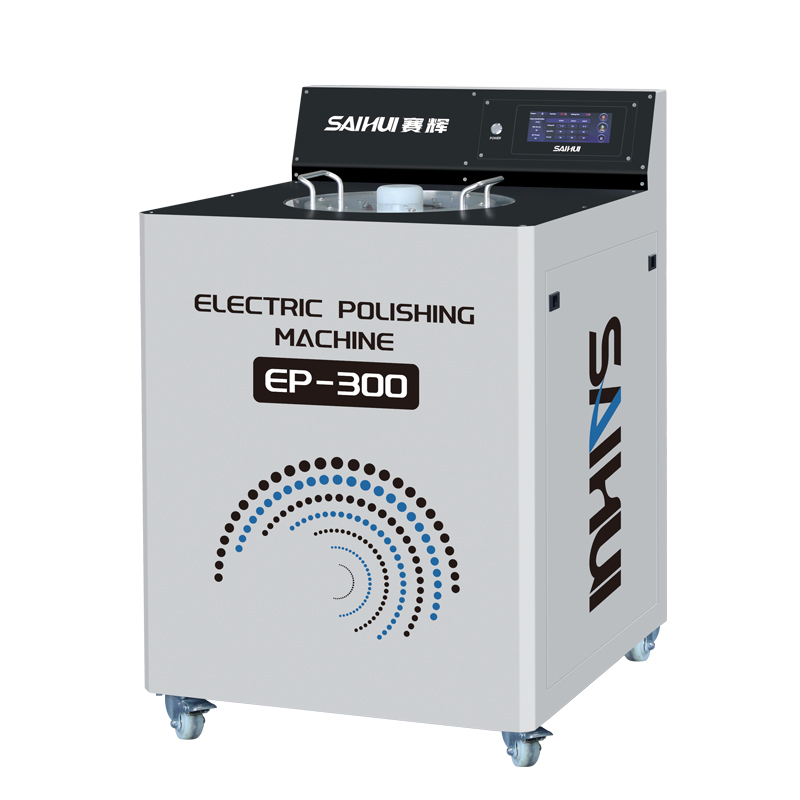
Polishing media consumption represents 40% to 60% of the total operating cost in mass finishing operations for jewelry production. Unlike capital equipment purchases that are one-time investments, media wear is a continuous, compounding expense that increases with every processing cycle. A jewelry polishing machine operating across multiple daily shifts can consume hundreds of kilograms of media per month, with costs accumulating to significant annual totals. Yet media wear is not an inevitable, uncontrolled expens···...
Read More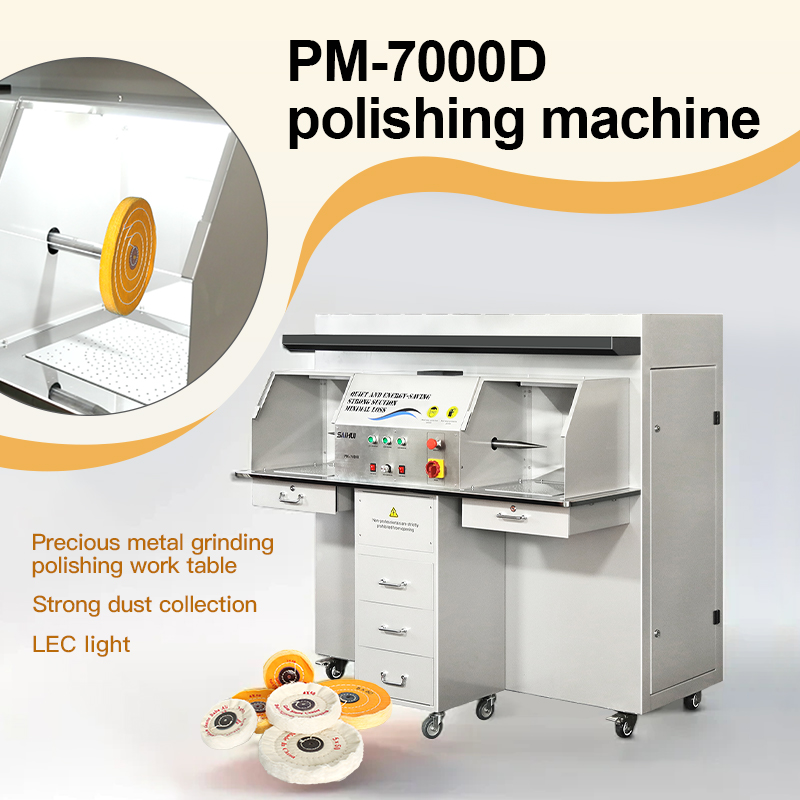
Selecting a jewelry polishing machine without accounting for batch size and production volume is one of the most common and costly equipment selection errors in jewelry manufacturing. A machine perfectly suited for a workshop processing 50 rings per day becomes a production bottleneck when volume increases to 500. Conversely, investing in a high-capacity industrial polishing system for a custom jeweler producing 10 unique pieces per week creates unnecessary capital expenditure and operational complexity. The relati···...
Read More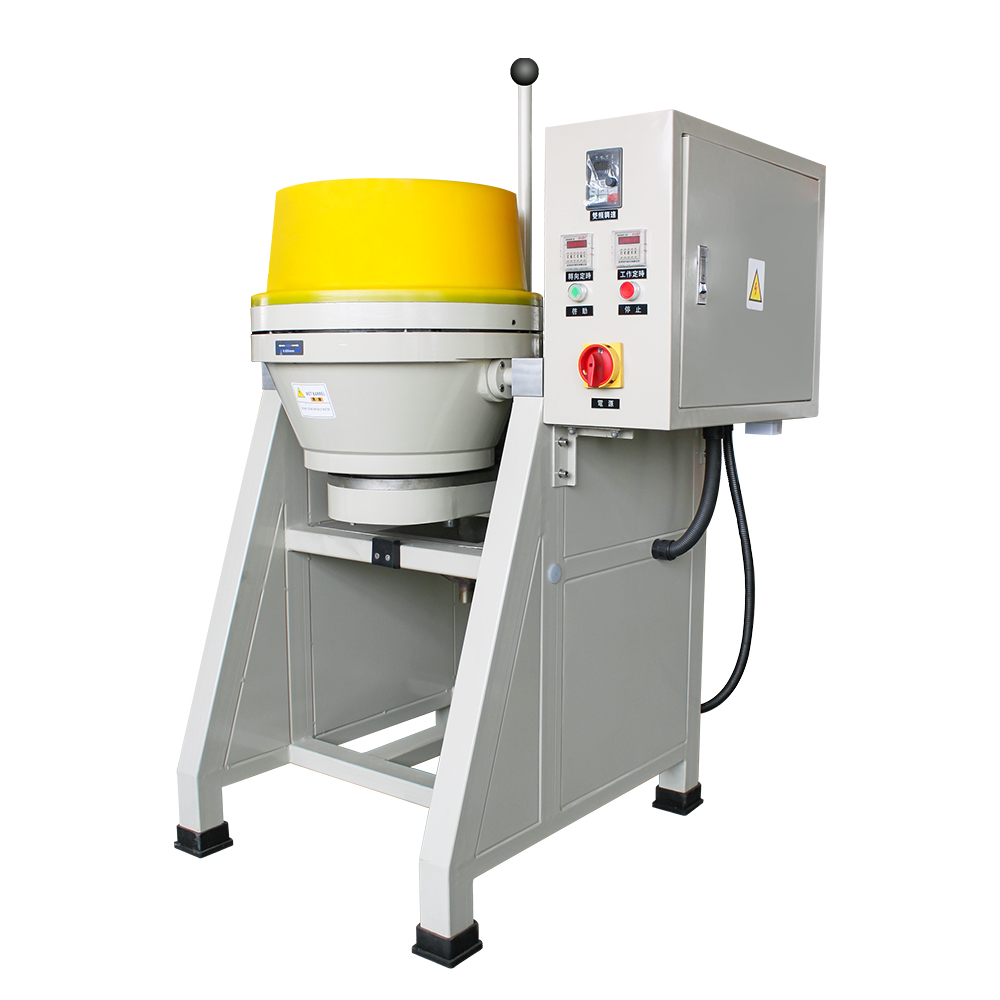
The choice between wet and dry polishing methods is a fundamental process decision that affects every aspect of jewelry finishing—from the jewelry polishing machine configuration to the compound delivery system, media behavior, surface outcome, and post-processing requirements. While both methods achieve surface improvement through media-part contact, they operate on entirely different process mechanics, produce distinct surface characteristics, and require different equipment infrastructure. For jewelry manufactu···...
Read More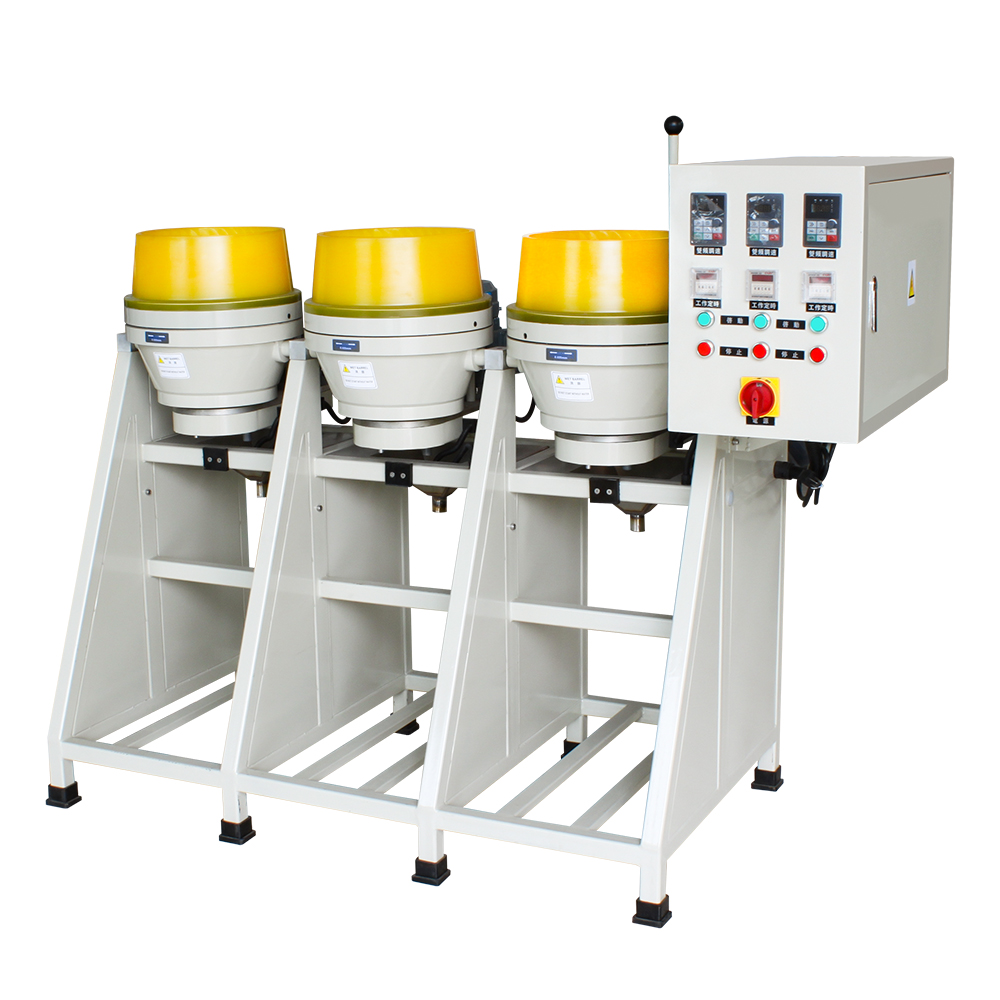
The finish quality of gold, silver, and platinum jewelry depends not merely on owning a jewelry polishing machine but on operating it with the correct speed settings and media combinations for each specific precious metal. Gold's relative softness, silver's tendency toward tarnish-related surface issues, and platinum's extreme hardness each demand distinct process parameters. Using the same speed and media across all three metals produces inconsistent results—over-processing on soft gold, under-process···...
Read More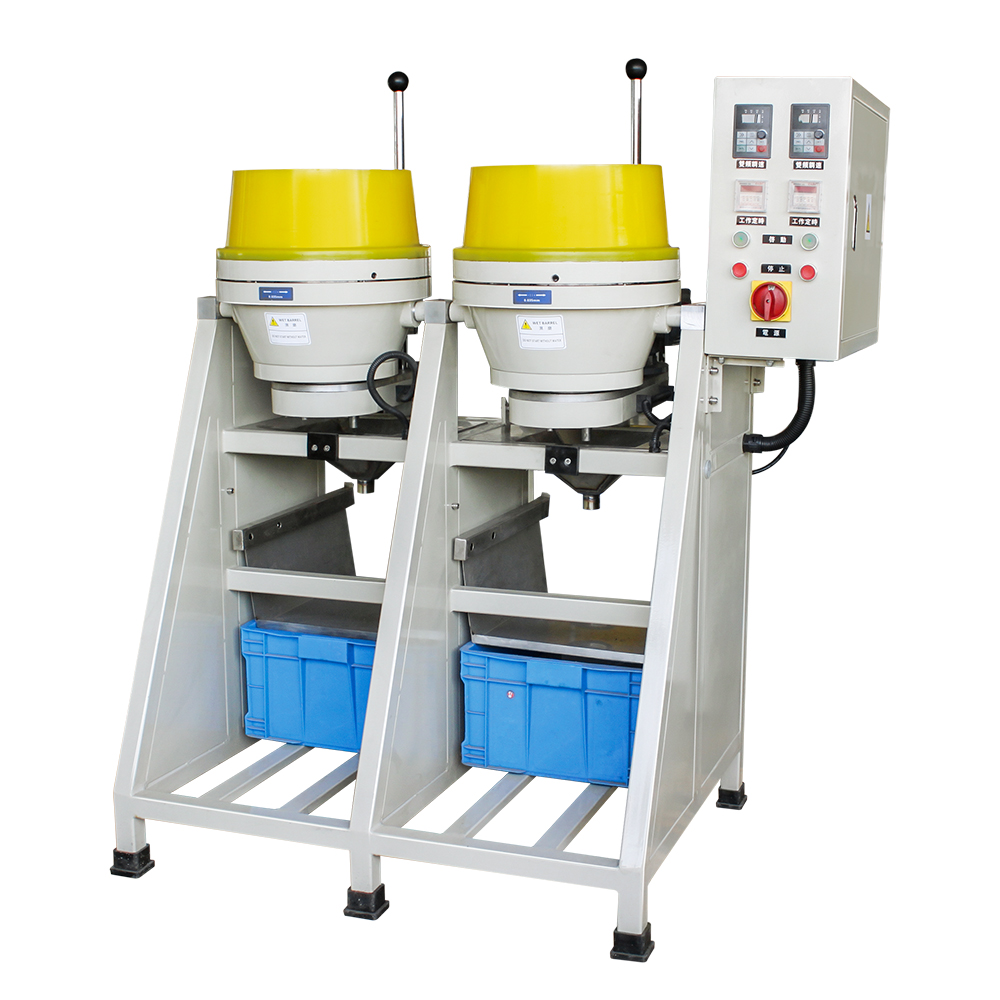
Selecting the right jewelry polishing machine is one of the most consequential equipment decisions a jewelry manufacturer will make. The finishing stage determines not only the visual appeal of a piece but also its perceived value, structural integrity, and production throughput. Among the three dominant mass-finishing technologies—barrel tumbling, magnetic polishing, and vibratory finishing—each operates on fundamentally different principles, produces distinct surface outcomes, and suits different production con···...
Read More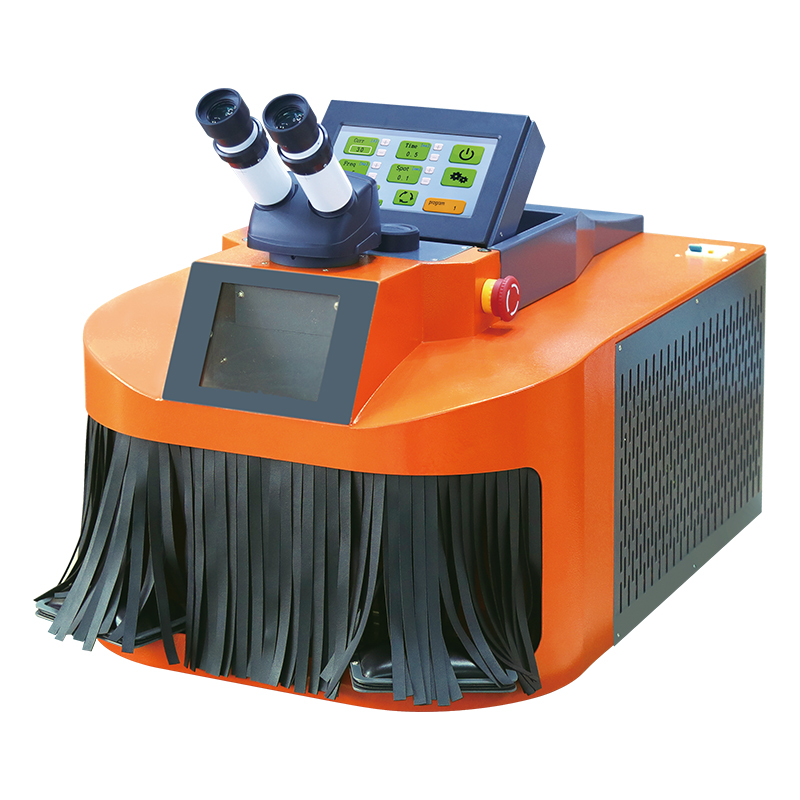
Unlike traditional torch soldering, which relies heavily on intuitive heat control developed through years of hands-on experience, laser welding operates through digital parameter adjustment and microscope-guided precision. This shift from analog craft intuition to digital process control has significant implications for training duration and skill development. This article examines what it takes to train a jewelry professional to operate a laser welding system competently, safely, and productively.The Fundamental ···...
Read More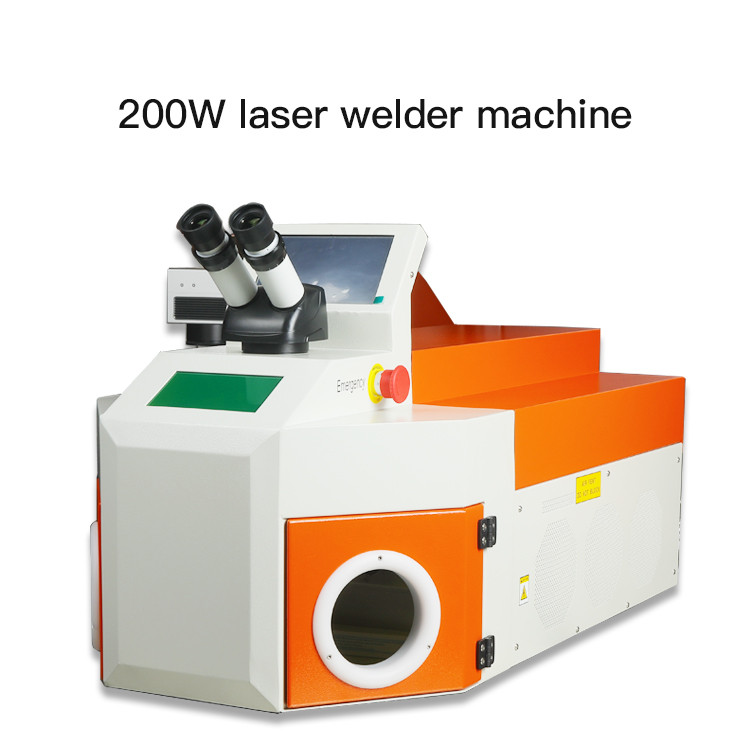
IntroductionThe decision to invest in a jewelry laser welding machine represents a significant capital commitment for any jewelry workshop. With entry-level systems starting in the $3,200 to $4,900 range and professional-grade units commanding substantially higher prices, the upfront expenditure can appear daunting compared to the relatively modest cost of traditional soldering equipment. However, a comprehensive total cost of ownership analysis reveals a more nuanced financial picture. When consumable costs, labor···...
Read More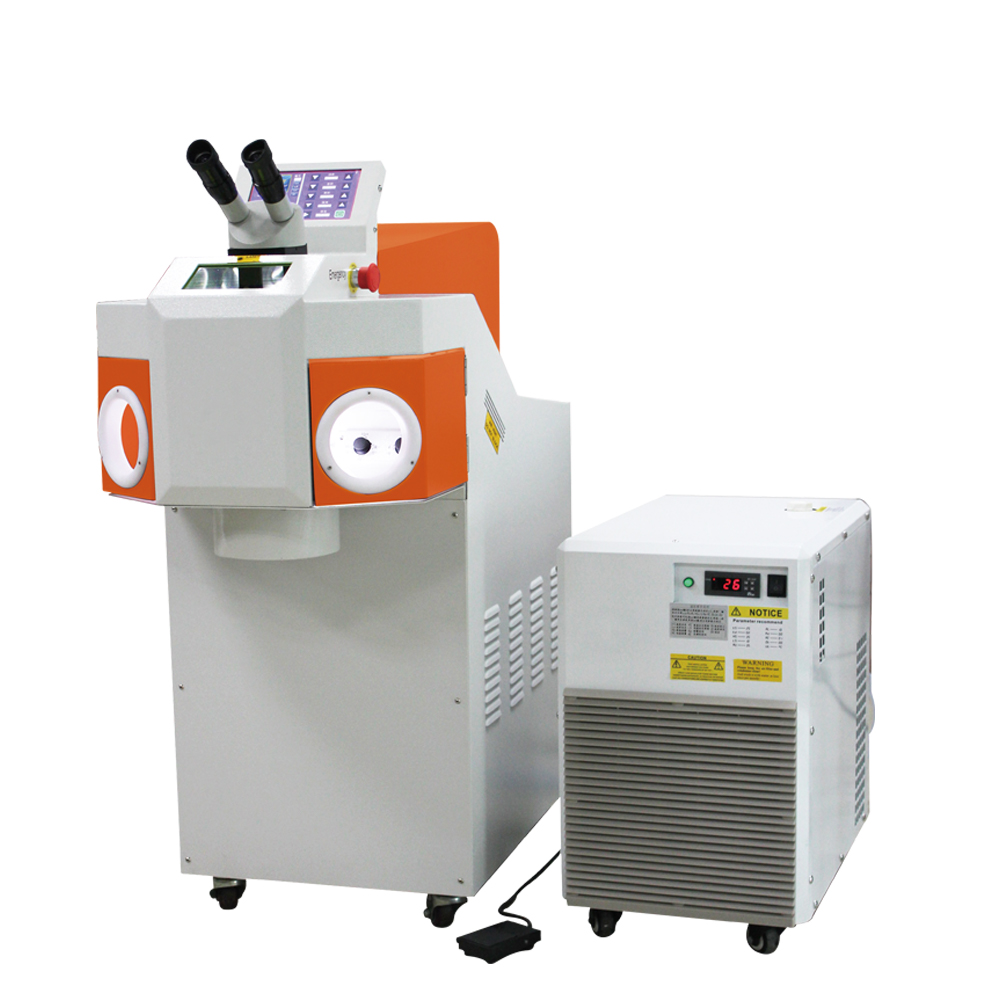
IntroductionOwning a jewelry laser welding machine is only the first step toward precision jewelry repair. The difference between a flawless, structurally sound weld and a compromised joint -- or worse, a damaged gemstone -- often comes down to the operator's understanding of two critical parameters: pulse duration and power settings. These intertwined controls govern heat input, penetration depth, weld pool size, and thermal impact on surrounding materials. For bench jewelers transitioning from traditional sol···...
Read More
 online service
Scan to wechat :