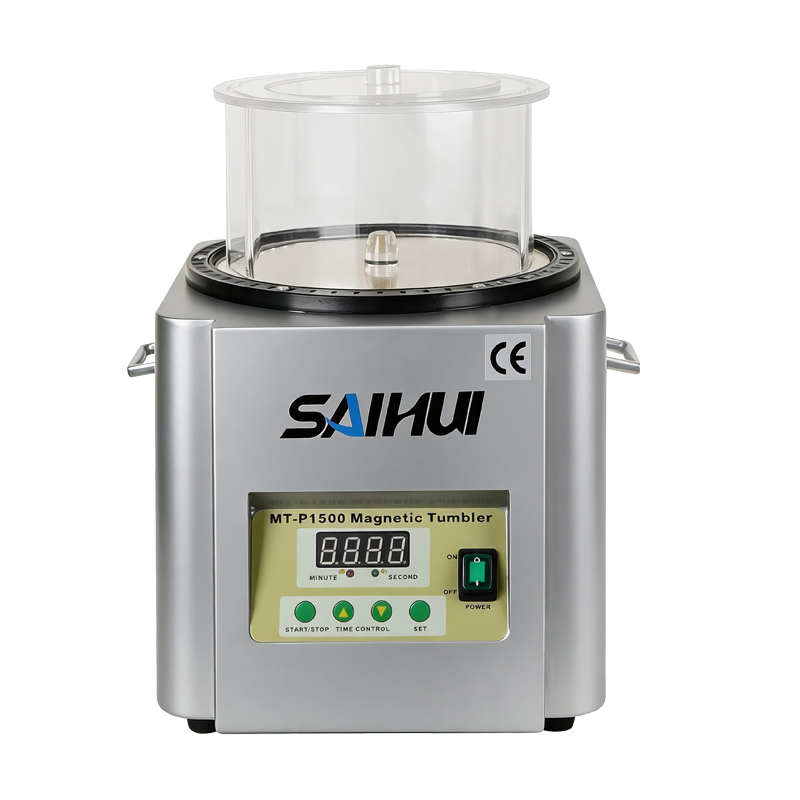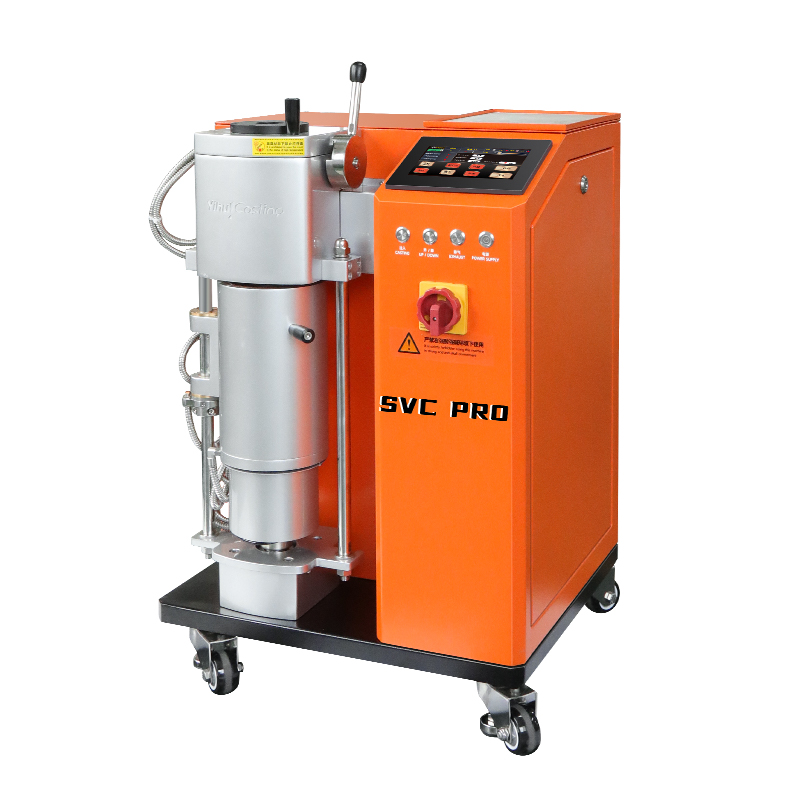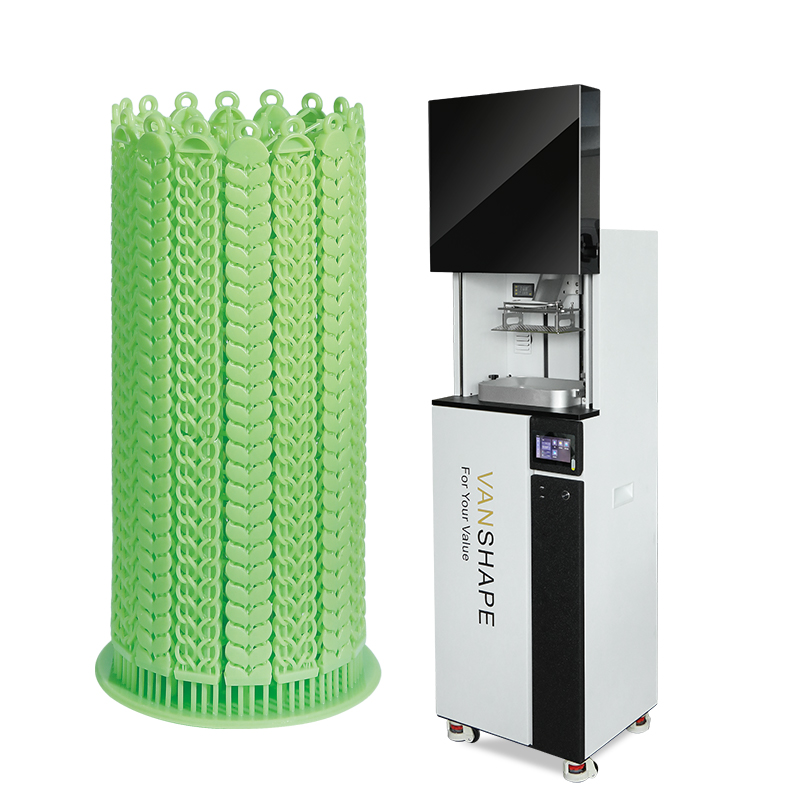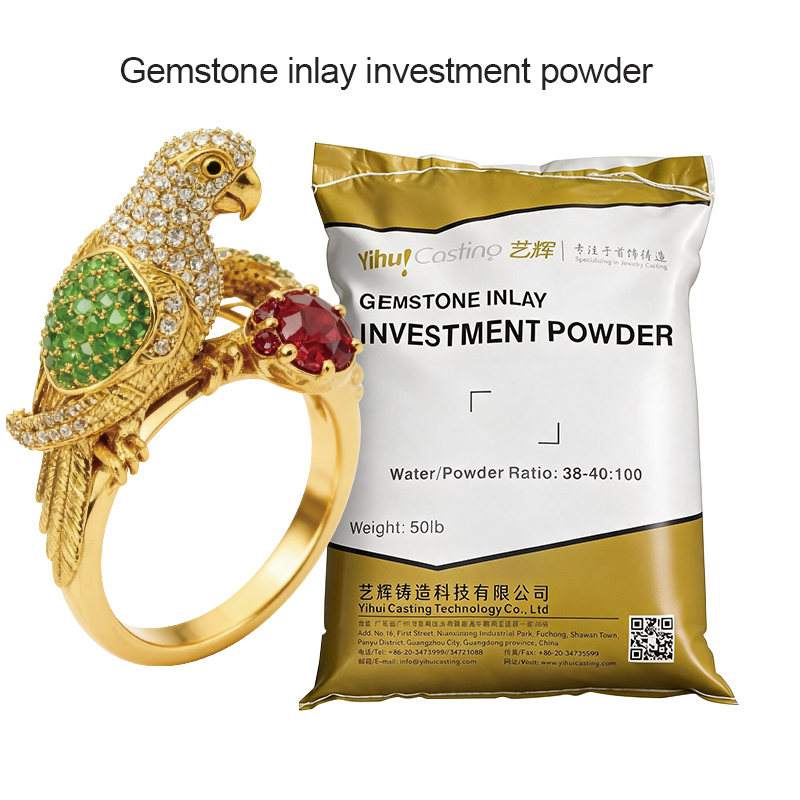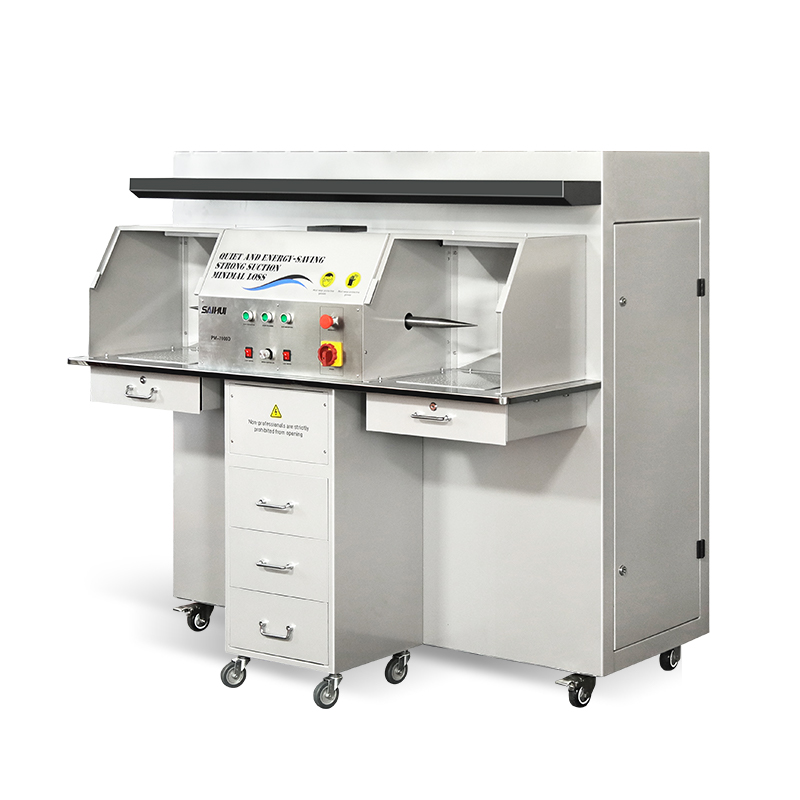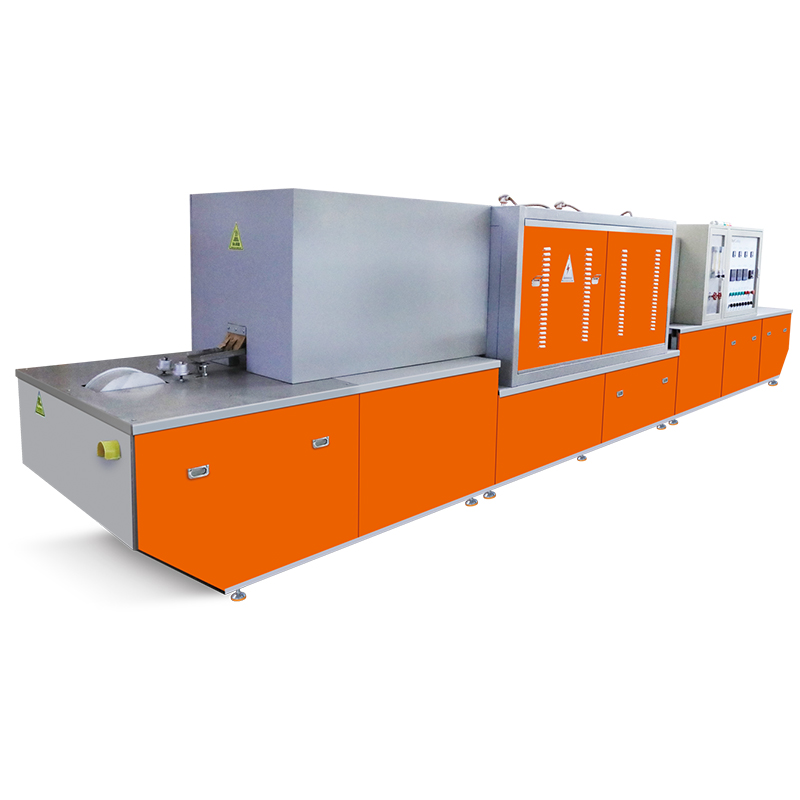
Selecting a supplier for a complete jewelry casting production line is one of the most consequential decisions a workshop owner or production manager will make. Unlike purchasing a single machine, where specifications can be compared in isolation, evaluating a one-stop solution for jewelry casting requires assessing how an entire suite of equipment works together as an integrated system. The efficiency of your workshop depends not on the peak performance of any single machine, but on the balanced throughput across ···...
Read More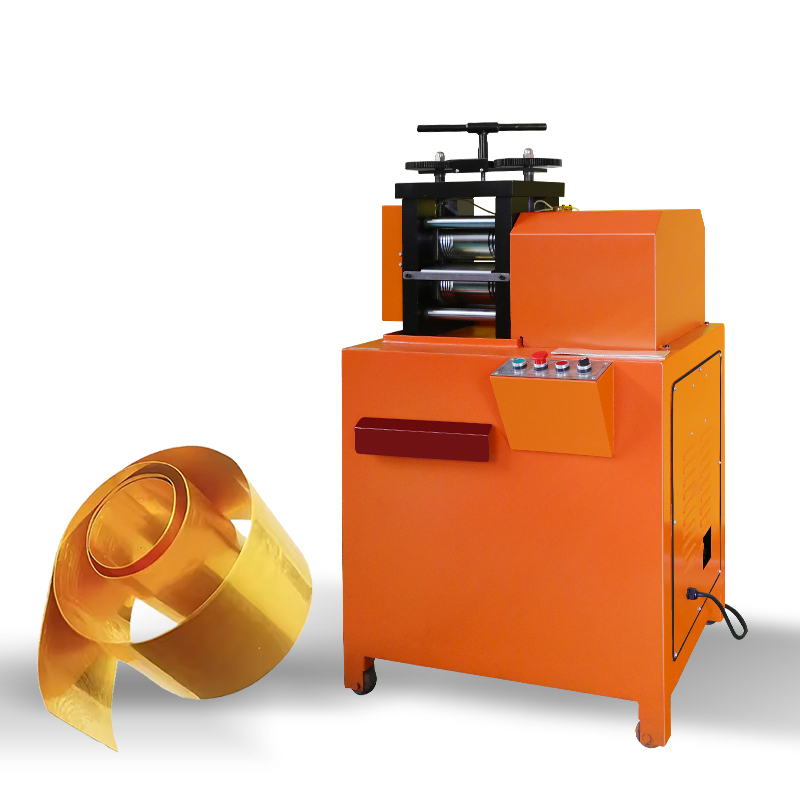
Setting up a jewelry manufacturing workshop requires far more than a single casting machine. From the initial digital design to the final polished piece, jewelry production involves a sequence of highly specialized processes, each demanding dedicated equipment engineered to exacting tolerances. For workshop owners and production managers, understanding the full scope of machinery required is the first step toward building an efficient, profitable operation. A Yihui Casting one-stop solution for jewelry casting elim···...
Read More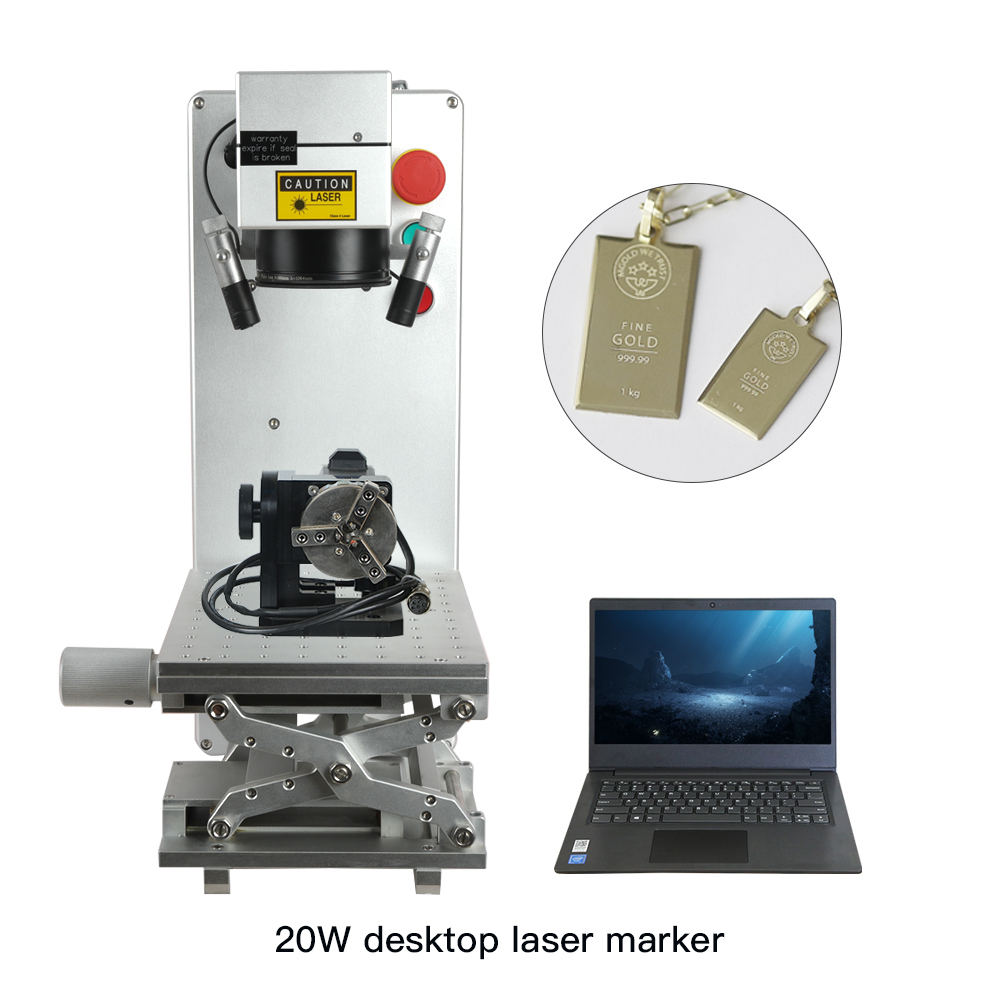
A fiber laser machine for jewelry represents a significant capital investment for any workshop, and protecting that investment through proper maintenance is essential to maximizing return on investment, maintaining engraving quality, and avoiding costly unplanned downtime. Unlike traditional jewelry workshop equipment—which often requires daily attention to mechanical wear, lubrication, and tool sharpening—laser systems have a reputation for being low-maintenance. While broadly true, this reputation can lead to c···...
Read More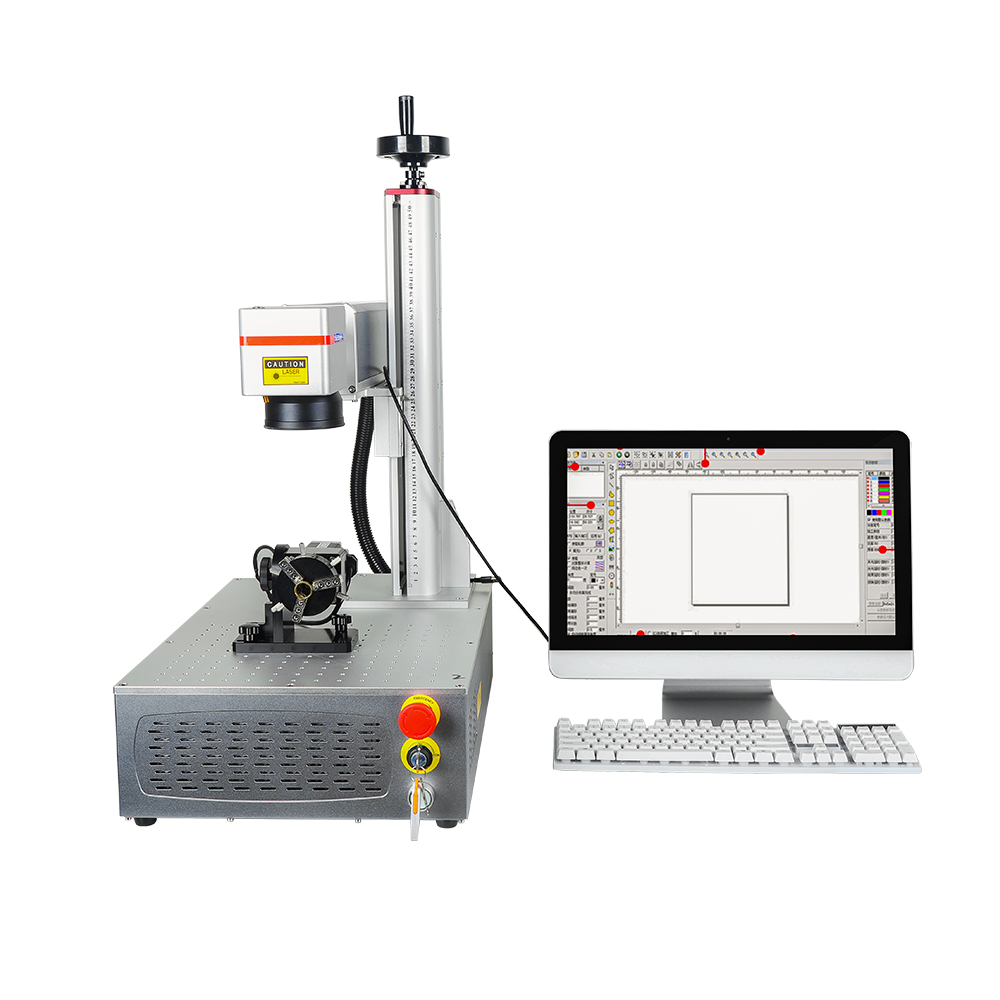
The debate between laser engraving and traditional hand engraving is one of the most persistent discussions in the jewelry industry. Advocates of hand engraving point to centuries of tradition, artistic uniqueness, and the irreplaceable quality of a craftsman's touch. Proponents of laser technology highlight precision, speed, consistency, and the ability to execute designs that are physically impossible with hand tools. For jewelry manufacturers and retailers making technology investment decisions, understandin···...
Read More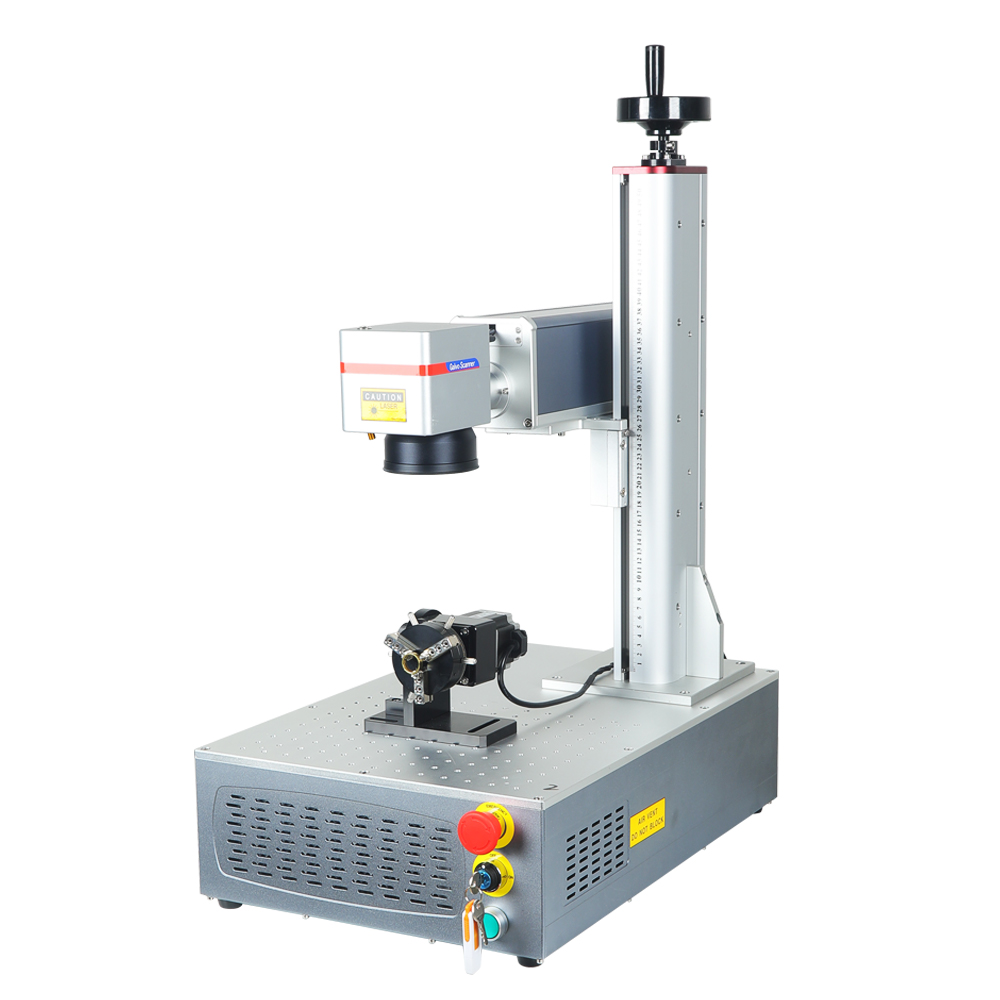
Not all jewelry metals respond to laser processing in the same way. Gold, silver, platinum, titanium, stainless steel, brass, and copper each present unique challenges and opportunities when engraved or marked with a laser machine for jewelry. Differences in reflectivity, thermal conductivity, melting point, and oxidation behavior mean that a parameter set that produces beautiful results on stainless steel may barely leave a visible mark on gold, or worse, damage a delicate silver component.This article provides a ···...
Read More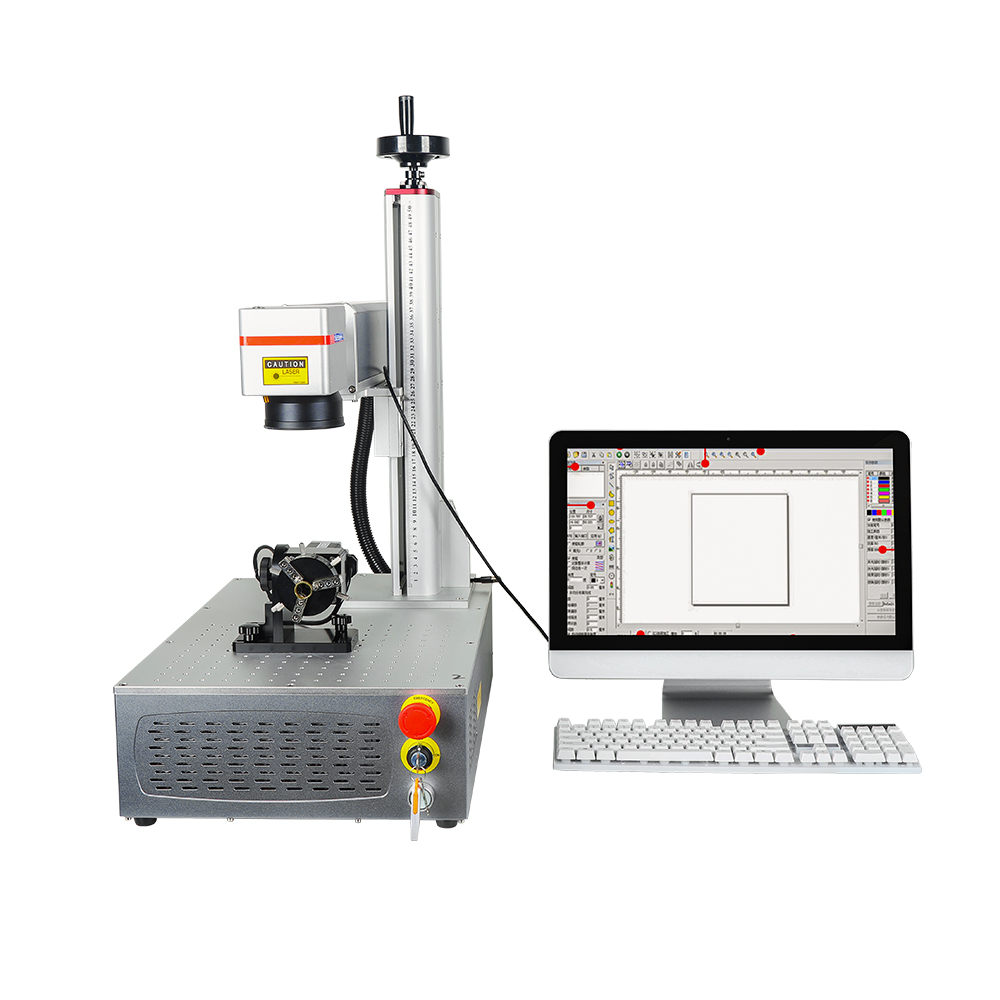
Owning a fiber laser machine for jewelry is only the first step toward achieving professional-quality engraving results. The difference between a crisp, high-contrast hallmark and a burnt, distorted mess often comes down to the operator's understanding of laser parameters—specifically power, speed, frequency, and hatch settings. These variables interact in non-obvious ways, and the optimal configuration changes depending on the metal alloy, the desired effect, and the specific laser source and optics in use.Th···...
Read More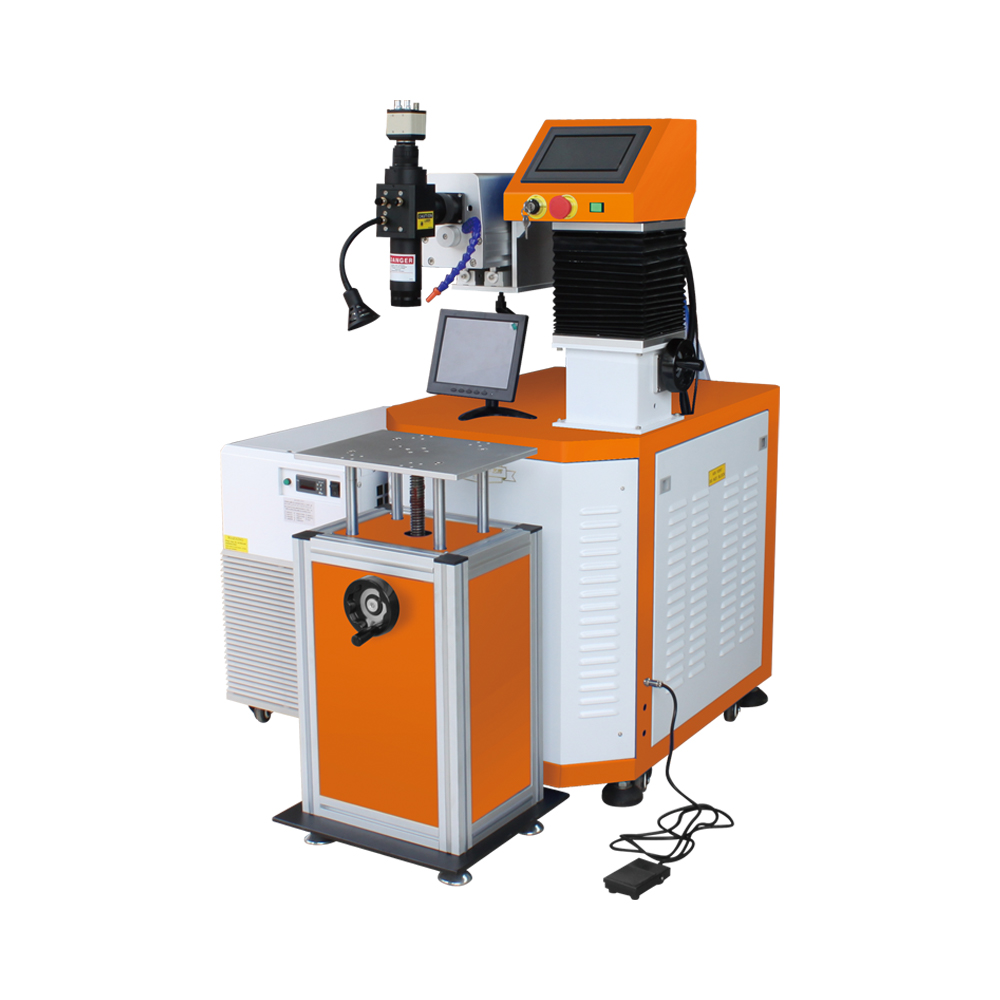
Selecting the right laser technology is one of the most consequential decisions a jewelry manufacturer or workshop owner will make. The two dominant laser types in the jewelry industry—fiber lasers and CO2 lasers—operate on fundamentally different principles, excel with different materials, and deliver markedly different engraving and marking results. Choosing the wrong technology can lead to poor marking quality on precious metals, excessive processing times, and an equipment investment that fails to meet produc···...
Read More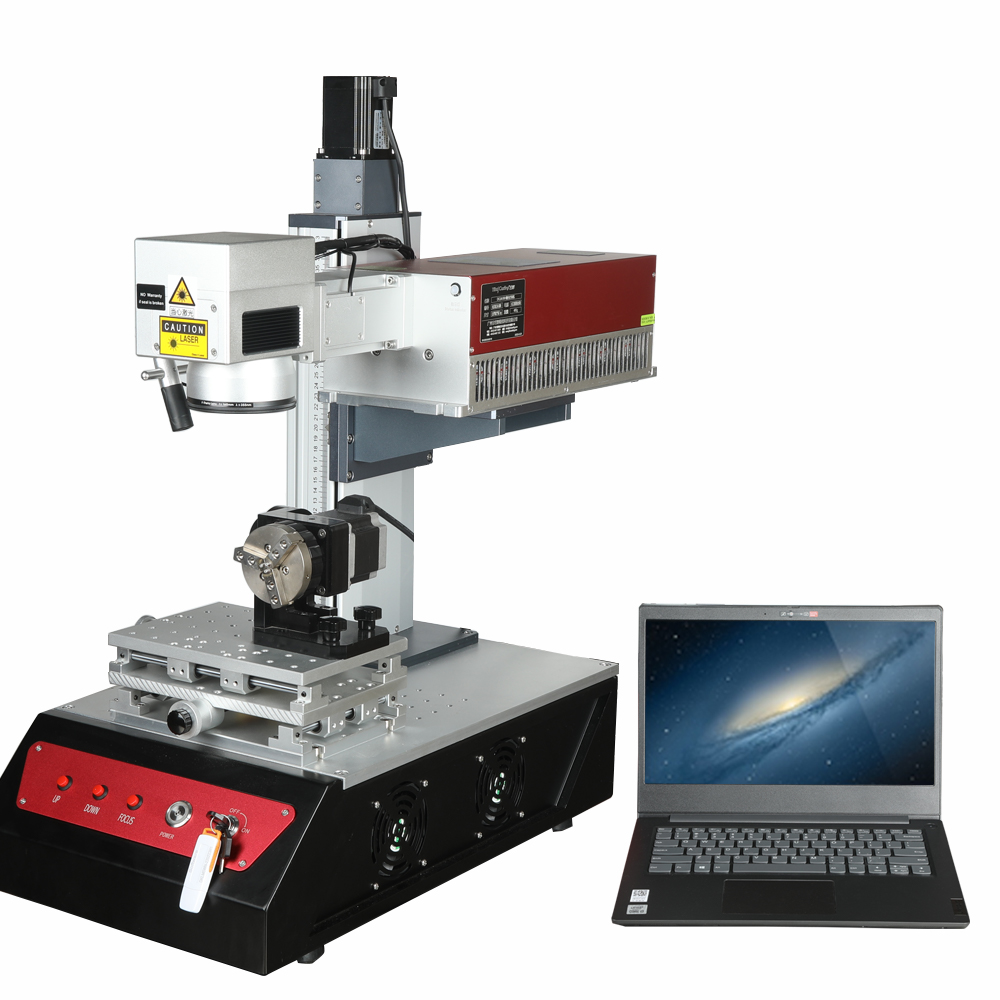
Introduction: The Digital Shift in Jewelry ManufacturingCustom jewelry design has undergone a profound transformation over the past decade, driven largely by the integration of digital technologies into traditional workshop practices. Among these technologies, the laser machine for jewelry stands out as a genuine game-changer. What once required hours of meticulous handwork—engraving intricate patterns, cutting delicate filigree, or marking hallmarks on precious metals—can now be accomplished in minutes with micr···...
Read More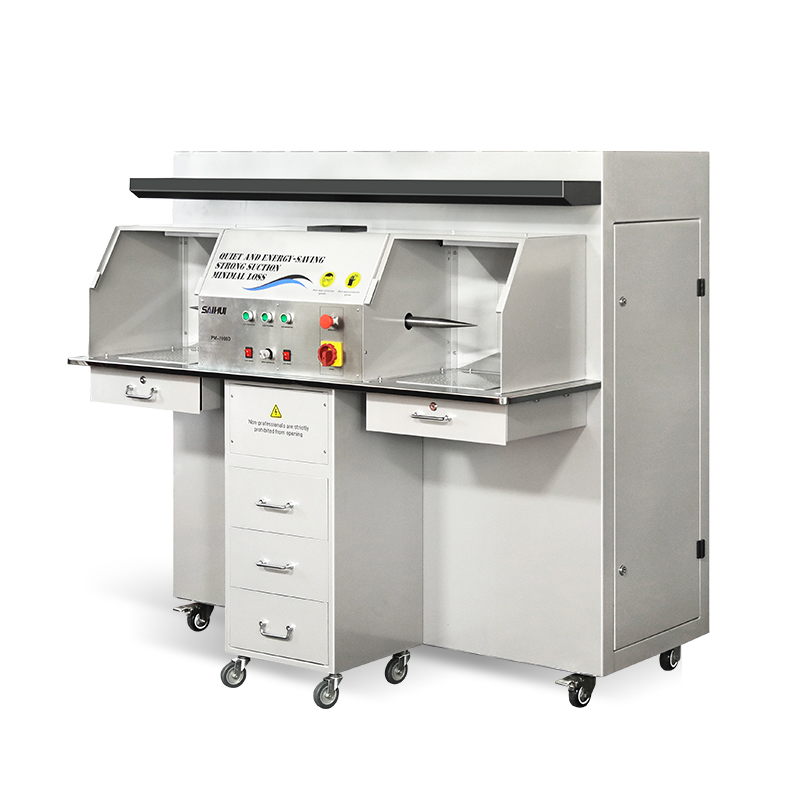
Understanding which surface defects a jewelry polishing machine can resolve and which require upstream process correction is critical for jewelry manufacturers managing both quality and production efficiency. Polishing machines are powerful surface modification tools, but they operate within specific physical and mechanical limitations. Expecting a polishing machine to fix defects rooted in casting, mold-making, or alloy composition errors leads to wasted cycle time, excessive media consumption, persistent quality ···...
Read More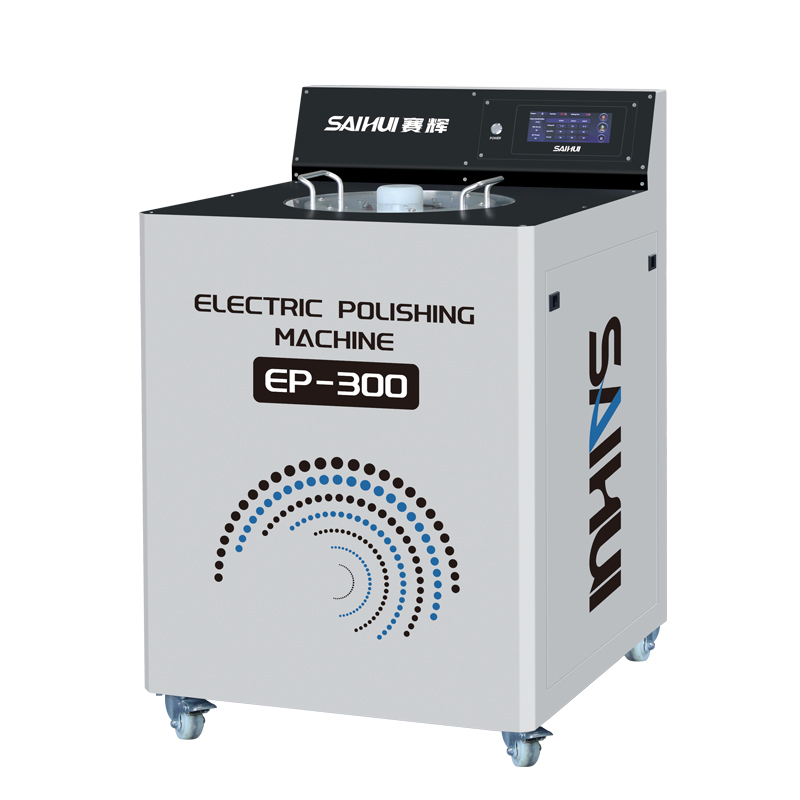
Polishing media consumption represents 40% to 60% of the total operating cost in mass finishing operations for jewelry production. Unlike capital equipment purchases that are one-time investments, media wear is a continuous, compounding expense that increases with every processing cycle. A jewelry polishing machine operating across multiple daily shifts can consume hundreds of kilograms of media per month, with costs accumulating to significant annual totals. Yet media wear is not an inevitable, uncontrolled expens···...
Read More
 online service
Scan to wechat :