Selecting a supplier for a complete jewelry casting production line is one of the most consequential decisions a workshop owner or production manager will make. Unlike purchasing a single machine, where specifications can be compared in isolation, evaluating a one-stop solution for jewelry casting requires assessing how an entire suite of equipment works together as an integrated system. The efficiency of your workshop depends not on the peak performance of any single machine, but on the balanced throughput across every stage of the production pipeline.
Many suppliers claim to offer comprehensive solutions, but the depth and quality of these offerings vary significantly. Some merely resell equipment from multiple manufacturers with minimal integration support, while others engineer complete systems with verified compatibility and coordinated technical service. This article provides a structured evaluation framework that helps buyers assess supplier capabilities across the dimensions that truly impact workshop efficiency.
The first evaluation criterion is whether the supplier genuinely covers every stage of the jewelry casting workflow. A true one-stop solution should span from digital design and prototyping through to final finishing, with no gaps that force you to source auxiliary equipment from third parties. At minimum, verify that the supplier offers:
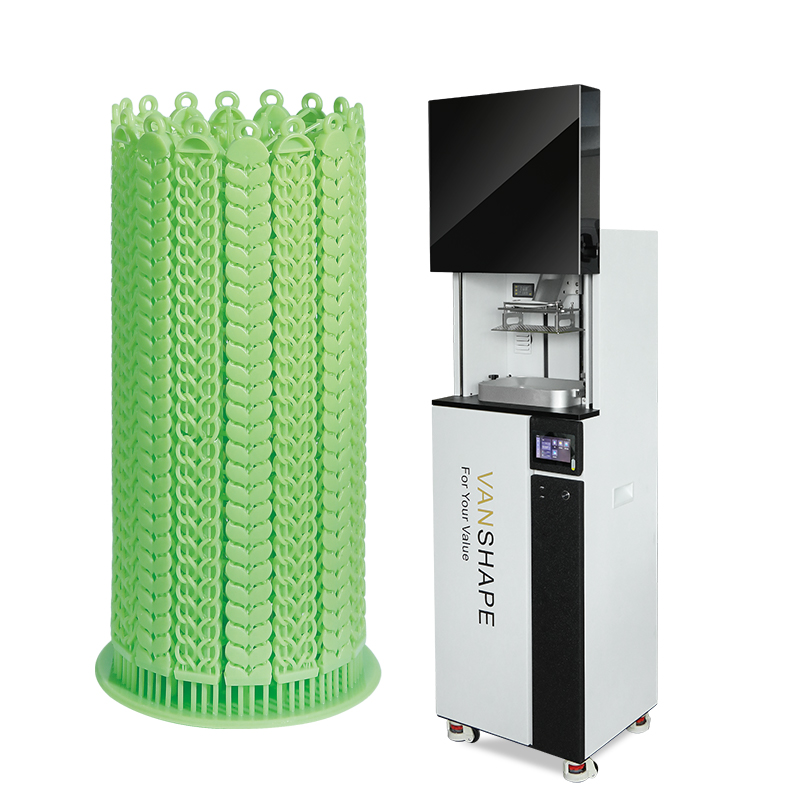
3D printing systems for castable patterns
Mold making and vulcanizing equipment
Vacuum wax injection machines
Induction melting furnaces
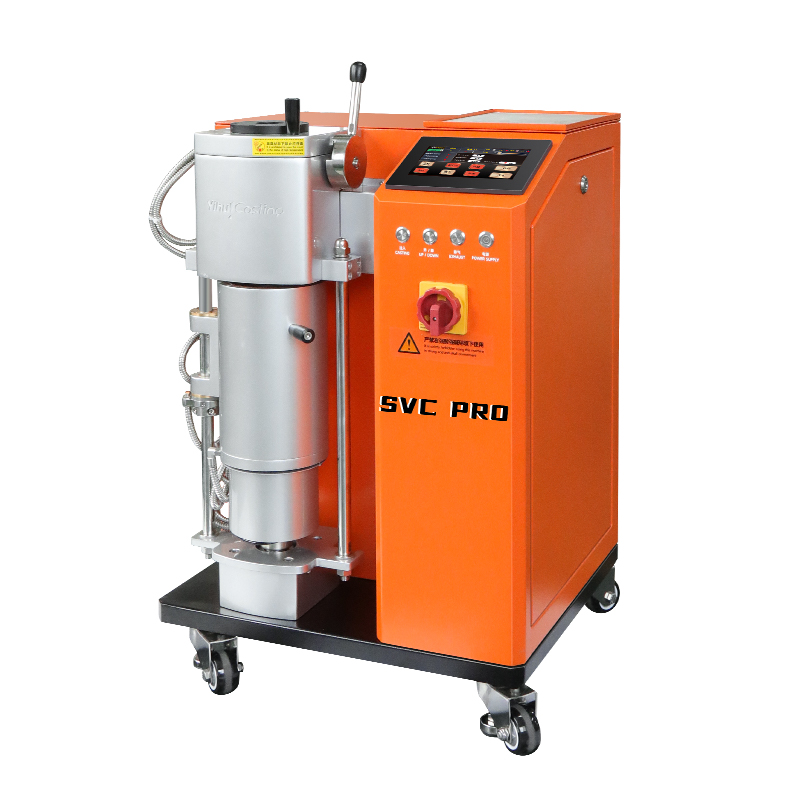
Vacuum pressure casting machines
Laser welding and assembly equipment
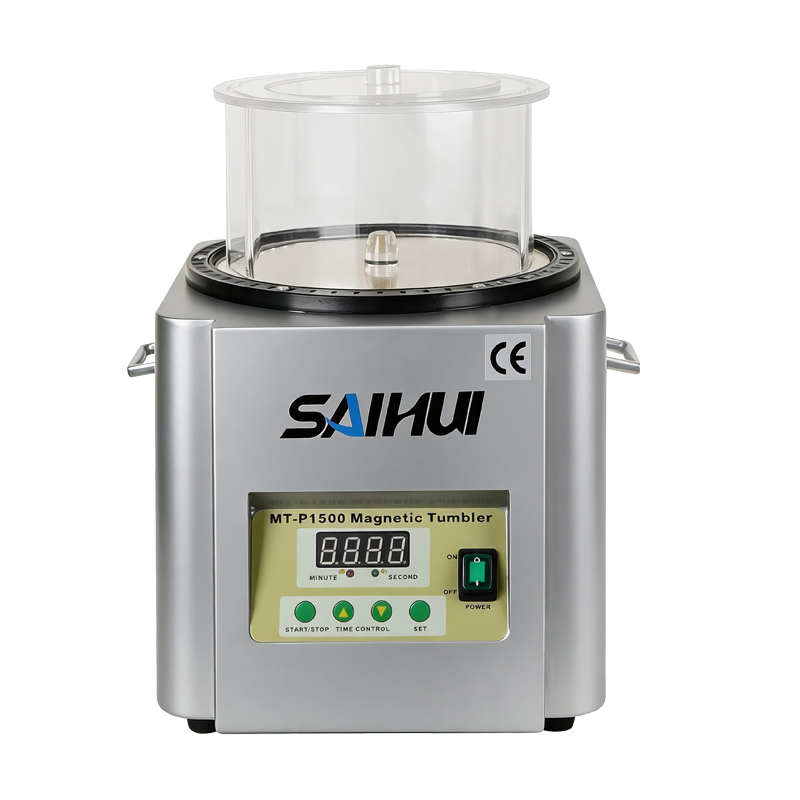
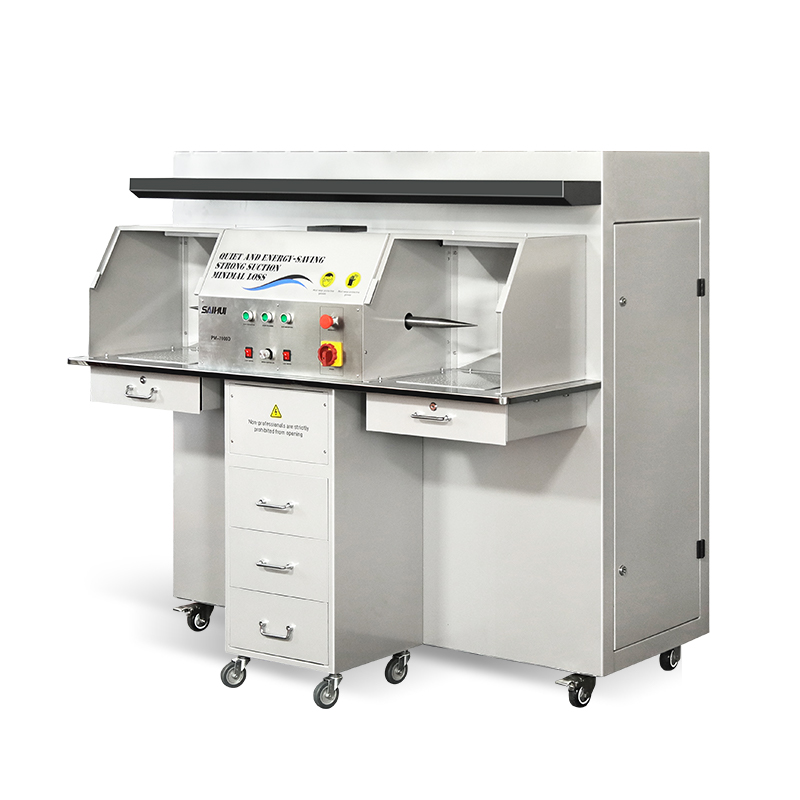
Polishing and finishing systems
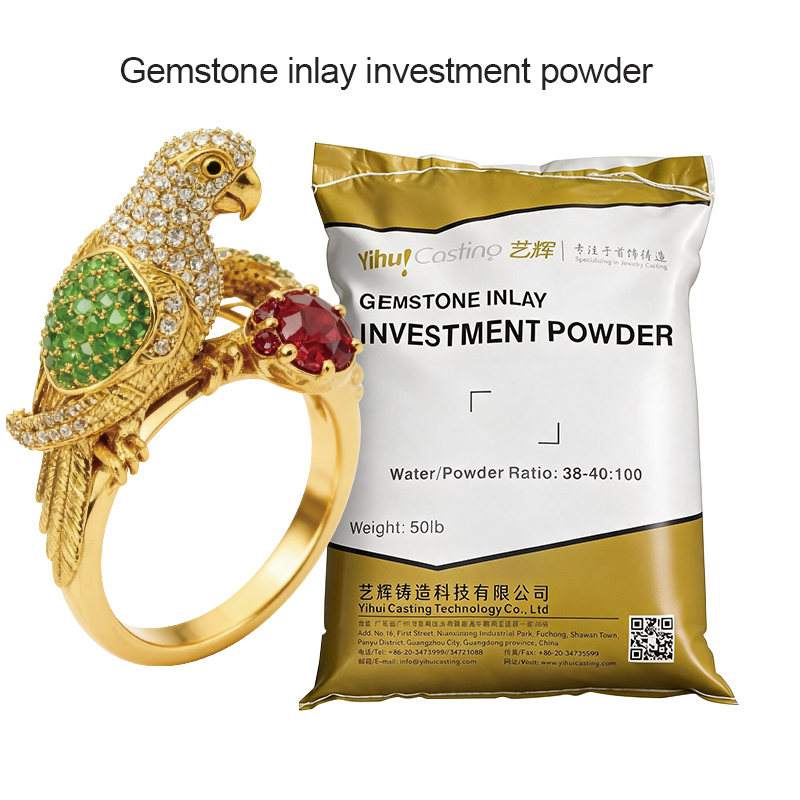
Burnout furnaces and investment mixing equipment
Suppliers who lack coverage in any of these areas create integration gaps that workshop owners must fill independently—often with equipment that lacks verified compatibility with the rest of the line. When a supplier like Yihui Casting provides the full chain, you can be confident that every machine has been tested in conjunction with the others.
Beyond breadth, evaluate the depth of options within each equipment category. A supplier offering only a single model of casting machine cannot match equipment capacity to your specific production volume. Look for suppliers who offer multiple capacity tiers within each category, allowing you to select machines sized for your current throughput with headroom for growth. For example, a supplier should offer casting machines in flask sizes ranging from 3-inch for boutique workshops to 9-inch or larger for high-volume operations, along with corresponding melting furnace capacities.
Equipment compatibility extends far beyond physical dimensions. Each machine in the production line must be matched to the requirements of its upstream and downstream partners. A 3d jewelry printer must produce patterns with burnout characteristics compatible with the investment powder and burnout furnace schedule. The wax injector must produce patterns sized for the flask system used in the casting machine. The melting furnace capacity must feed the casting machine at its optimal cycle time without creating molten metal bottlenecks.
When evaluating a supplier, ask for documentation that demonstrates this inter-stage matching. A supplier who has engineered the full line should be able to provide process flow diagrams showing how each machine feeds the next, along with recommended operating parameters for each stage that account for the capabilities of adjacent equipment. If the supplier cannot articulate these relationships, it is likely they are reselling independent machines rather than offering a true integrated solution.
Modern jewelry casting equipment increasingly features digital control systems, and a well-integrated suite should offer some level of data continuity across machines. While full Industry 4.0 connectivity is not yet standard in jewelry equipment, leading suppliers are beginning to offer centralized monitoring interfaces, recipe management systems, and production tracking tools that span multiple machines. These capabilities allow production managers to monitor throughput, identify bottlenecks, and maintain consistent quality across the entire line.
Even without advanced data integration, verify that individual machine controllers use compatible logic and terminology. Operators who move between machines should encounter consistent interfaces, reducing training time and minimizing errors caused by control system confusion.
Workshop efficiency is ultimately determined by the slowest stage in the production pipeline—a classic bottleneck scenario. A well-designed one-stop solution for jewelry casting should be balanced so that no single machine creates a throughput constraint that starves downstream stages or creates work-in-progress accumulation upstream.
To evaluate throughput balance, create a capacity map showing the output rate of each machine in units per hour or batches per day. For example, if the 3D printer can produce 50 patterns per day, the wax injector should be able to reproduce 50 or more wax models per day, the casting machine should handle the resulting tree volume within its daily cycle capacity, and the polishing station should be able to finish the daily casting output without creating a backlog.
Request that the supplier provide a production capacity analysis for your specific product mix. A reputable supplier will calculate realistic throughput based on your typical piece sizes, alloy types, and batch quantities, rather than quoting theoretical maximums that are unachievable in practice.
Jewelry workshops rarely produce a single product type. A workshop might cast gold rings in the morning, silver pendants in the afternoon, and platinum settings for custom orders on demand. Each product type has different requirements for wax injection parameters, melting temperatures, casting pressures, and polishing processes. Evaluate whether the equipment suite can accommodate this variability without lengthy changeover times.
Key features to assess include the number of programmable recipes in casting machine controllers, the speed of mold changes in wax injectors, and the range of temperature settings available in melting furnaces. Equipment that requires extensive reconfiguration between product types will erode workshop efficiency, even if individual machine specifications appear impressive.
Every jewelry workshop has unique spatial constraints, and a one-stop solution should be adaptable to your physical layout rather than forcing your space to accommodate rigid equipment configurations. Evaluate whether the supplier offers:
Customized equipment sizing or configuration options
Workshop layout planning services with CAD drawings
Modular equipment arrangements that can be reconfigured as needs change
Utility planning support for electrical, water, and gas requirements
A supplier who understands workshop flow will arrange equipment in a logical sequence that minimizes material handling and operator movement, creating a smooth physical workflow that mirrors the process sequence.
The value of a one-stop solution extends well beyond equipment delivery. Evaluate the supplier's after-sales support infrastructure, including:
Installation and commissioning services with on-site engineers
Operator training programs covering each machine in the suite
Process optimization support to tune parameters for your specific alloys and products
Spare parts availability and guaranteed response times for technical issues
Remote diagnostic capabilities for rapid troubleshooting
When equipment is sourced from multiple suppliers, a problem at the interface between two machines can result in finger-pointing rather than resolution. A single-supplier solution eliminates this risk, as the supplier owns responsibility for the entire system's performance.
Your workshop's production needs will evolve over time, and a well-designed jewelry casting equipment solution should accommodate this growth. Evaluate whether the supplier offers upgrade pathways—such as larger-capacity casting machines, additional 3D printers, or automated polishing systems—that integrate seamlessly with the existing equipment base. The ability to scale incrementally, adding capacity where bottlenecks emerge, is far more cost-effective than replacing an entire production line.
Evaluating a supplier's one-stop jewelry casting solution requires looking beyond individual machine specifications and assessing the system as an integrated whole. Equipment breadth, technical compatibility, throughput balance, customization flexibility, and after-sales support all contribute to the real-world efficiency that your workshop will achieve. By applying the structured evaluation framework outlined in this article, buyers can distinguish between suppliers who merely sell equipment and those who deliver genuine production solutions.
The right supplier will function as a manufacturing partner, not just a vendor—providing the equipment, expertise, and ongoing support needed to build a jewelry workshop that operates at peak efficiency. Taking the time to conduct a thorough evaluation before purchasing will yield returns in productivity, quality, and operational peace of mind for years to come.
Ready to evaluate a comprehensive jewelry casting solution for your workshop? Visit Yihui Casting to explore integrated equipment suites engineered for workshop efficiency and supported by complete technical services.
 online service
Scan to wechat :