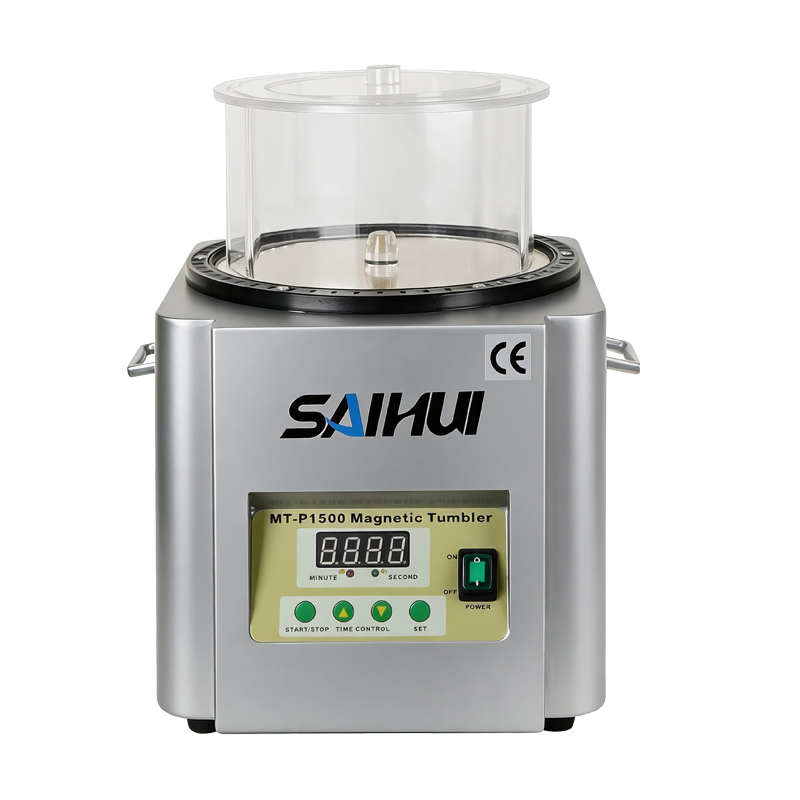
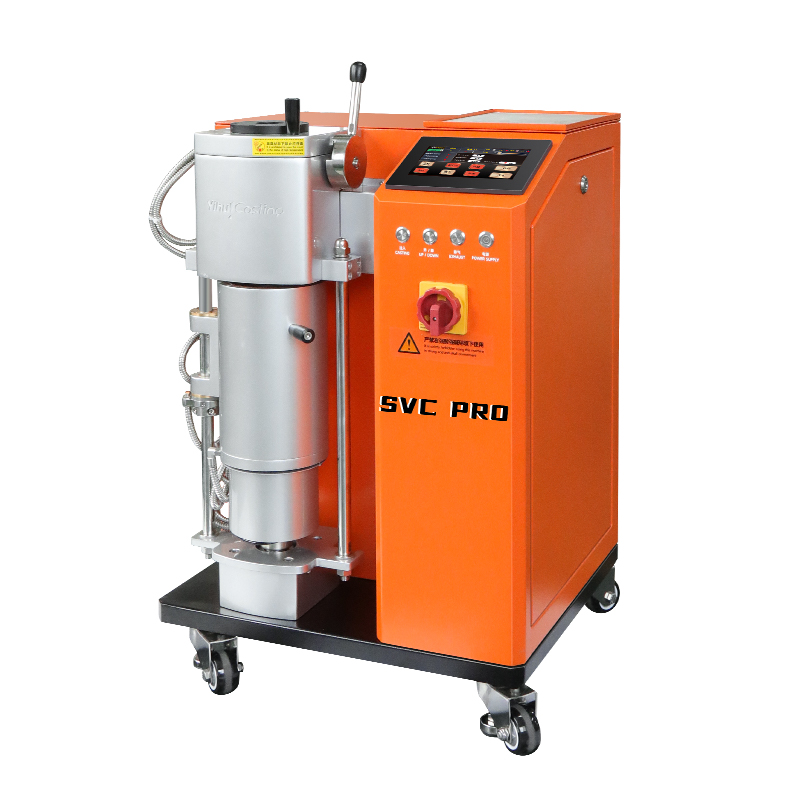
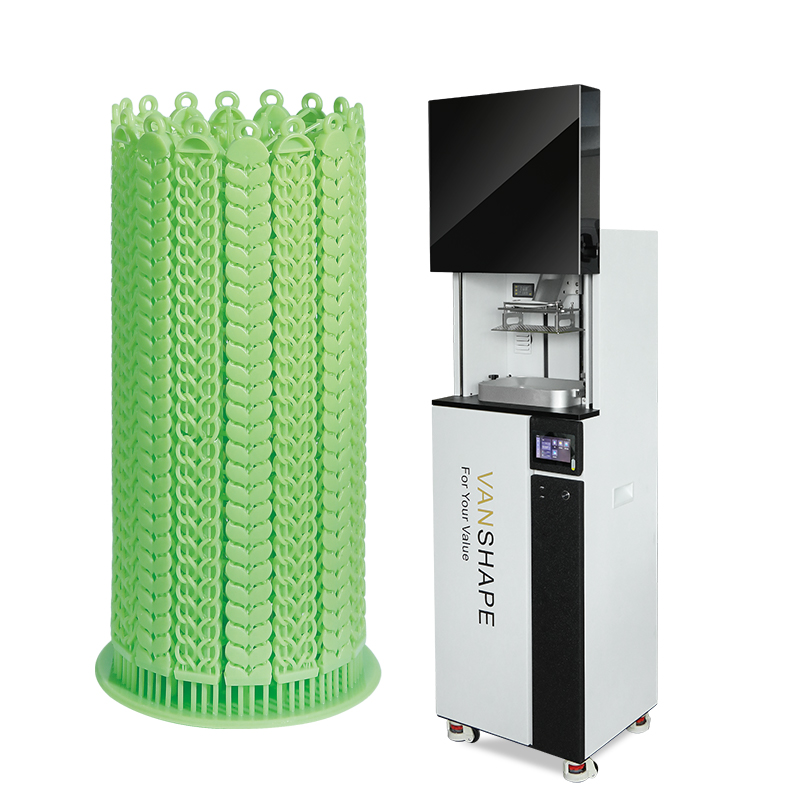
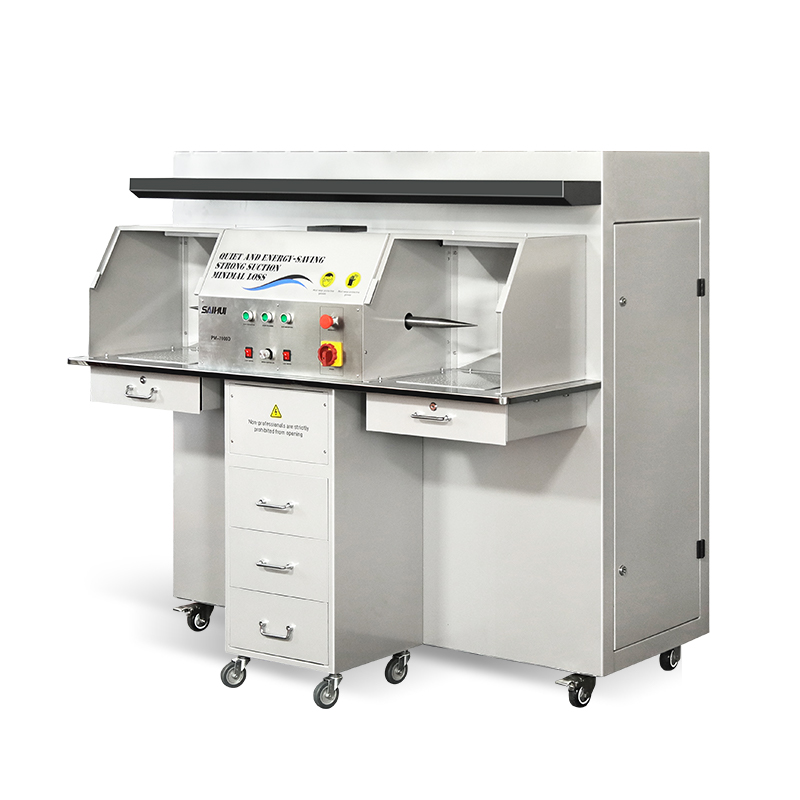
A jewelry casting production line is not merely a collection of machines occupying the same workshop—it is an interconnected manufacturing system where each piece of equipment depends on the output of the previous stage and feeds the requirements of the next. When machines are sourced from a single supplier as part of a one-stop solution for jewelry casting, integration and compatibility are engineered into the equipment suite from the outset. When machines are assembled piecemeal from multiple suppliers, integration becomes the workshop owner's problem to solve, often at considerable expense and with unpredictable results.
This article examines the technical dimensions of equipment integration in a full jewelry casting suite, covering process chain compatibility, physical and utility requirements, control system continuity, and consumable standardization. Understanding these integration factors helps workshop owners and production managers appreciate the value of a coordinated equipment package and avoid the hidden costs of incompatible machinery.
Jewelry casting is a precision manufacturing process where dimensional accuracy must be preserved across multiple process stages. A 3D-printed pattern that is dimensionally correct must survive the mold-making, wax injection, investment, and casting processes without accumulating dimensional errors that push the finished piece outside tolerance. Each transition between stages represents a potential point of dimensional drift, and equipment compatibility at these interfaces is essential.
Consider the dimensional chain: a 3D printer produces a pattern at a specific scale factor designed to compensate for investment and metal shrinkage. This pattern is used to create a silicone mold, which itself may introduce slight dimensional changes during vulcanization. The wax pattern injected into that mold will shrink as it cools, and the investment mold created around the wax tree will expand during burnout. Finally, the molten metal shrinks as it solidifies. Each of these transformations must be accounted for, and the equipment at each stage must operate within parameters that keep the cumulative dimensional error within acceptable bounds.
In an integrated equipment suite, the supplier has validated these dimensional chains across their product range. The 3D printer's resin is compatible with the recommended investment powder, the wax injector's shrinkage characteristics are accounted for in the mold design, and the casting machine's solidification parameters match the alloy specifications. This end-to-end validation is simply not available when machines come from different suppliers who have no knowledge of—or responsibility for—the adjacent equipment.
Beyond dimensional accuracy, the thermal processes at each stage must be coordinated. The burnout furnace schedule must be compatible with the investment material, which in turn must be compatible with the casting alloy's pouring temperature. A mismatch at any thermal interface can cause investment cracking, metal penetration, gas porosity, or surface defects that render castings unusable.
For example, if the burnout furnace ramps too quickly for the investment material's specifications, the investment will crack and molten metal will penetrate the cracks during casting, creating fins and flash that require extensive cleanup. If the mold making equipment for jewelry produces molds with inconsistent density, the burnout and casting processes will produce variable results even with perfectly calibrated furnace and casting machine parameters. An integrated equipment suite eliminates these mismatches because the supplier has tested the complete thermal chain.
One of the most practical integration considerations is physical compatibility of flasks, crucibles, and tooling across machines. In a well-integrated suite, the flask size used in the casting machine matches the flask handling capabilities of the burnout furnace, the investment mixing system, and the quenching station. The crucible size in the melting furnace matches the pouring capacity of the casting machine. The wax tree base fits both the wax injector's tree holder and the casting machine's flask chamber.
When equipment comes from different suppliers, these physical interfaces are often mismatched. A casting machine designed for 4-inch flasks may be paired with a burnout furnace that accommodates only 3-inch or 5-inch flasks, requiring adapters or compromising on tree design. These mismatches may seem minor during purchasing but create daily operational friction that accumulates into significant efficiency losses over time.
A complete jewelry casting line requires substantial utility infrastructure: three-phase electrical power, cooling water, compressed air, argon or nitrogen gas, and ventilation. Each machine has specific requirements for voltage, amperage, water flow rate, gas pressure, and exhaust capacity. In an integrated suite, these requirements are documented holistically, allowing the workshop to size utility systems for the complete line rather than discovering mid-installation that the electrical service is inadequate for simultaneous operation of all machines.
Key utility coordination factors include:
Electrical load: Total connected load, peak demand, and phase requirements across all machines
Cooling water: Flow rate, temperature, and pressure requirements for furnaces, casting machines, and laser systems
Gas supply: Argon or nitrogen purity, pressure, and flow rate for protective atmosphere melting and casting
Ventilation: Exhaust capacity for burnout furnaces, melting operations, and polishing dust
Compressed air: Pressure and volume for wax injectors, pneumatic systems, and cleaning stations
A single-supplier solution provides a consolidated utility specification document, ensuring that the workshop's infrastructure is correctly sized before equipment arrives. This coordination eliminates the costly retrofits that occur when multiple suppliers' machines are installed sequentially and the cumulative utility demand exceeds the original infrastructure capacity.
While jewelry casting equipment does not yet achieve the seamless data integration seen in some other manufacturing industries, control system consistency across machines delivers meaningful operational benefits. When operators move between machines that share similar interface designs, menu structures, and parameter naming conventions, they make fewer errors, require less training, and transition between stations more efficiently.
In an integrated equipment suite from a single supplier, the PLC controllers across machines typically share a common interface philosophy. Temperature is displayed and adjusted the same way on the melting furnace and the casting machine. Vacuum levels are monitored using the same units and scale on the wax injector and the casting machine. Error messages follow the same coding system, and alarm responses use consistent logic. This consistency reduces the cognitive load on operators who manage multiple machines and minimizes the parameter-entry errors that cause casting defects.
As production volumes and product variety increase, managing casting parameters across multiple machines becomes a significant challenge. Each alloy type requires specific melting temperatures, casting pressures, vacuum levels, and burnout schedules. Each product type may require different wax injection parameters, investment mixing ratios, and polishing processes. Managing these parameters manually—recording them in notebooks or spreadsheets and entering them at each machine—is error-prone and inefficient.
Integrated equipment suites from leading suppliers increasingly offer centralized recipe management, where casting programs can be created, stored, and deployed across multiple machines from a single interface. While full Industry 4.0 connectivity is still emerging in the jewelry equipment sector, the foundation is being laid by suppliers who design their control systems with data continuity in mind. Even without centralized software, machines that share parameter formats and naming conventions simplify the operator's task of maintaining consistent process settings across the production line.
Operating a full jewelry casting line requires a steady supply of consumables: casting wax, investment powder, crucibles, argon gas, polishing compounds, laser protective lenses, and cleaning solutions. When each machine comes from a different supplier, consumables are often non-standardized—a specific wax for one injector, a specific investment for another supplier's recommended process, and proprietary polishing media for a third machine. This fragmentation increases inventory complexity, minimum order quantities, and shipping costs.
An integrated equipment suite standardizes consumables across the line. The same casting wax works in the wax injector and is compatible with the investment powder recommended for the casting process. The crucibles fit both the melting furnace and the casting machine. The polishing media is specified to work with the suite's polishing equipment and is compatible with the surface finishes produced by the casting process. This standardization reduces inventory carrying costs, simplifies reordering, and ensures that consumable changes do not introduce unexpected process variations.
Equipment maintenance is most efficient when it can be scheduled across multiple machines simultaneously, minimizing total production downtime. In an integrated suite with standardized maintenance protocols, a single service visit can address all machines—replacing thermocouples in the furnace and casting machine, servicing the vacuum pumps on the injector and casting machine, and calibrating the laser machine for jewelry in the same visit.
This synchronization is possible because the supplier's maintenance schedules are designed around a coordinated service calendar, not independent intervals that happen to conflict. The maintenance technician arrives familiar with every machine in the line, carrying the spare parts needed for all of them, and can service the complete production system in a single visit rather than requiring multiple separate appointments.
The integration and compatibility of machines in a full jewelry casting equipment suite represent the difference between a production line that operates as a unified system and one that operates as a collection of independent machines with persistent friction at every interface. Process chain compatibility ensures dimensional accuracy and thermal process integrity from pattern to finished piece. Physical and utility integration eliminates the operational friction of mismatched tooling and inadequate infrastructure. Control system consistency reduces operator errors and simplifies training. Standardized consumables and maintenance protocols streamline daily operations and reduce total cost of ownership.
These integration benefits are the core value proposition of a one-stop solution for jewelry casting. The equipment itself—while important—is only part of the equation. The engineering, testing, and documentation that go into making machines work together as a system represent the invisible value that distinguishes a true integrated solution from a collection of independently sourced machines. For workshop owners who prioritize operational efficiency, quality consistency, and long-term cost control, equipment integration is not a luxury but a necessity.
Experience the benefits of a fully integrated jewelry casting equipment suite. Visit Yihui Casting to explore compatible, engineered equipment packages designed to work seamlessly as a complete production system.
 online service
Scan to wechat :