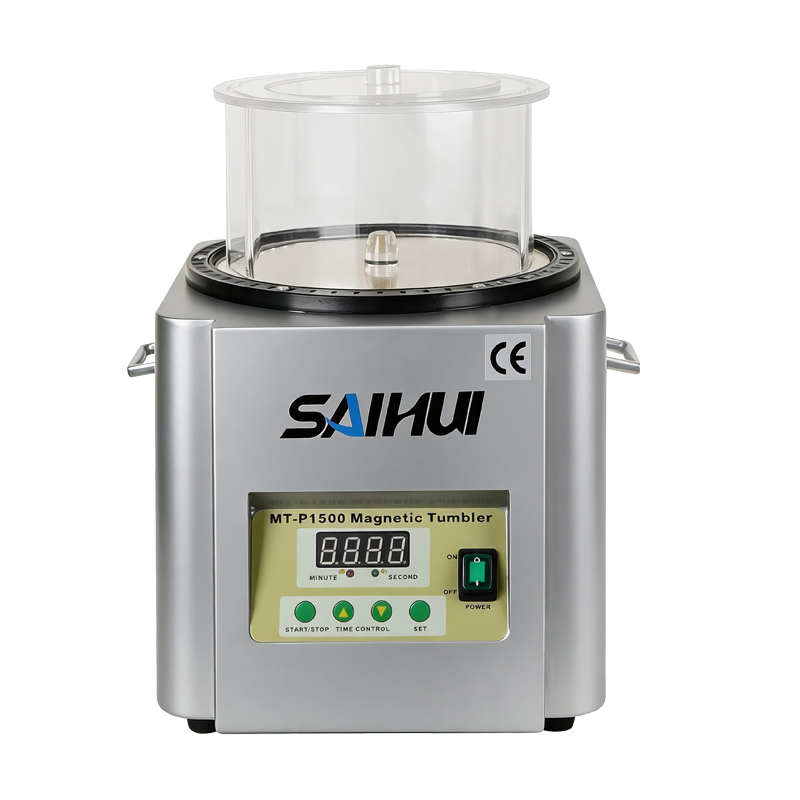
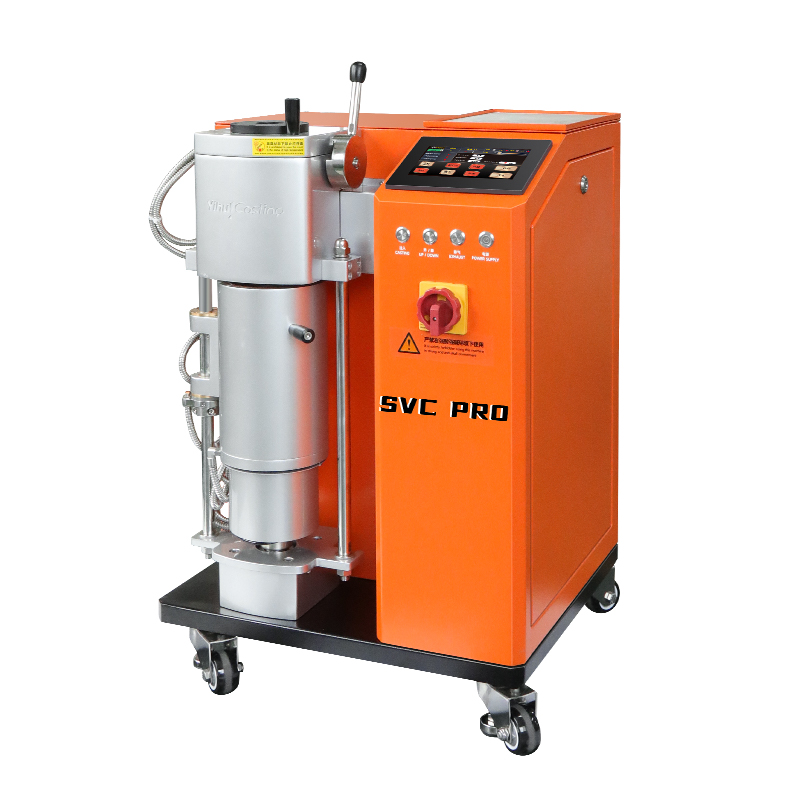
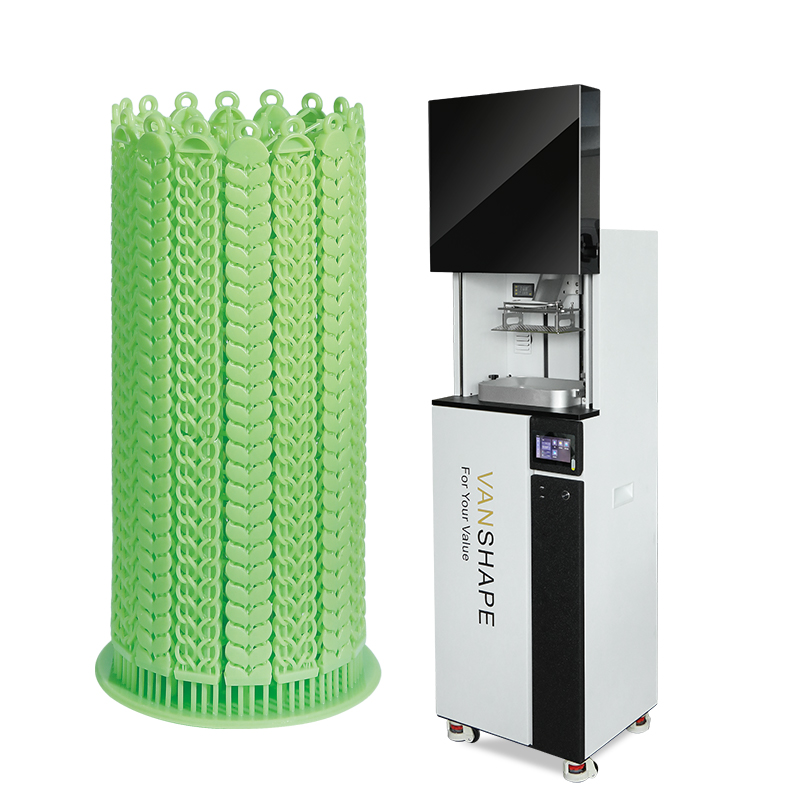
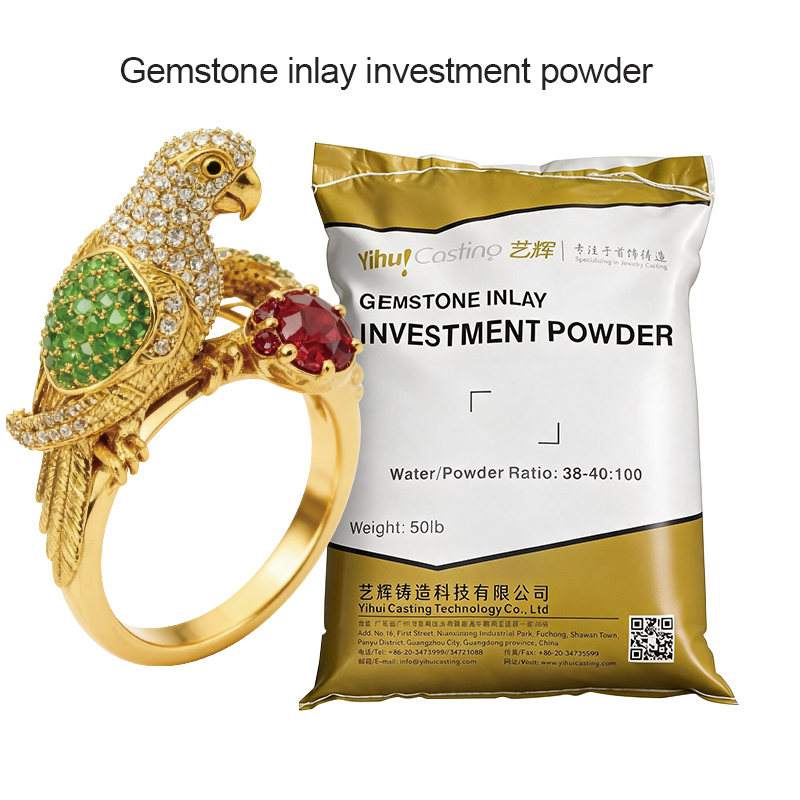
The jewelry manufacturing industry has undergone a significant transformation over the past two decades. From hand-crafted methods to precision-driven vacuum pressure casting machine technology, the shift toward modern equipment is not just a trend—it is a measurable improvement in quality, efficiency, and profitability.
Traditional gravity casting methods often produce jewelry with microscopic pores and gas voids, particularly in intricate designs. According to ASTM B584 standards, vacuum pressure casting achieves porosity levels below 0.5%, compared to 2–3% typical of gravity methods. The precious metal casting equipment with controlled vacuum environments eliminates trapped air bubbles, resulting in denser, more uniform castings that require less post-processing.
Modern casting equipment features advanced PID temperature controllers maintaining ±2°C accuracy across a 0–1200°C range. This precision ensures the correct viscosity for each precious metal—gold (1064°C melting point), silver (962°C), and platinum (1768°C)—enabling consistent flow into the finest mold details. The Yihui Casting AVC-EV machine offers programmable temperature profiles for over 19 different casting applications, from fine filigree work to solid bangle production.
A single operator using a modern vacuum casting machine can produce 30–50 castings per cycle, compared to 8–12 with manual gravity methods. The induction melting system reaches operating temperature in under 10 minutes, and the automated vacuum/pressure cycle completes in 3–5 minutes per flask. For workshops processing 2.5 kg of precious metal per cycle, this translates to a 300–400% productivity increase, significantly reducing per-piece labor costs.
Industry data indicates that gravity casting scrap rates for precious metals range from 8–15%, while vacuum pressure casting reduces this to 2–4%. For a workshop processing 10 kg of gold weekly (at approximately $65/g), the material savings alone can reach $3,900–$8,450 per week. The electrolytic polishing machine further enhances this value chain by reducing post-casting finishing waste.
Reproducibility is critical for jewelry brands producing identical pieces across multiple batches. Vacuum pressure casting machines with programmable parameters (vacuum level, pressure duration, temperature profile) ensure each casting cycle replicates the previous one with ±1% variation in weight and dimensions. This consistency eliminates batch-to-batch quality fluctuations that plague manual operations.
When evaluating jewelry casting equipment, consider these essential specifications:
With 21+ years of precision casting equipment manufacturing experience, Guangzhou Yihui Casting Technology Co., Ltd. has established itself as a trusted supplier across 14+ industry applications, from fine jewelry and dental casting to industrial precision components. Our equipment serves workshops throughout over 30 countries, backed by comprehensive technical support and training programs.
Investing in modern vacuum pressure casting equipment is not merely an operational upgrade—it is a strategic decision that impacts every aspect of jewelry production quality, cost structure, and market competitiveness. The quantifiable benefits in porosity reduction, temperature precision, production speed, material savings, and batch consistency make the transition from traditional methods an investment that pays for itself within months.
 online service
Scan to wechat :