A jewelry melting furnace is the heart of any precious metal casting operation. Whether you are melting gold, silver, platinum, or specialty alloys, the furnace must deliver clean, uncontaminated metal to ensure the quality and value of your finished jewelry. Metal contamination—caused by crucible residue, oxidized buildup, or cross-alloy mixing—is one of the most common and costly problems in jewelry workshops. It can discolor finished pieces, alter alloy composition, weaken structural integrity, and reduce the purity grade of your output.
This article explains how to clean and maintain your jewelry melting furnace systematically to prevent contamination, extend furnace life, and preserve the purity of every melt you produce.
Before addressing cleaning procedures, it is essential to understand where contamination originates. The primary sources include:
Crucible Residue and Slag Buildup
Every melt leaves a thin layer of oxide, slag, and metal residue on the crucible walls. Over repeated cycles, this layer thickens and begins to mix into subsequent melts. If you switch between different alloys—for example, melting copper-based alloy after a gold melt—the residual gold can contaminate the copper alloy at levels that affect its color and mechanical properties. Even trace contamination matters in precious metal work, where purity specifications are strict.
Oxidation from Atmospheric Exposure
When metal is melted in a non-vacuum or non-inert atmosphere, oxygen reacts with alloying elements to form surface oxides. These oxides embed into the melt as dross and can carry through into the casting. Induction furnaces with open crucibles are particularly susceptible unless protective flux or inert gas cover is used.
Cross-Contamination from Shared Equipment
Using the same stirring rod, pour channel, or crucible for different alloys without thorough cleaning between melts is a direct pathway for contamination. Even a few milligrams of residual platinum in a silver melt can cause visible discoloration and fail purity testing.
Degraded Crucible Material
Graphite and ceramic crucibles erode over time. As the crucible surface degrades, particles of the crucible material can enter the melt. Graphite particles in gold castings create dark inclusions that are nearly impossible to remove without remelting and refining.
Daily cleaning prevents contamination from accumulating between melts. These procedures should be performed at the end of each production day—or immediately when switching between alloys.
1. Crucible Cleaning After Each Melt
After pouring and allowing the crucible to cool to a safe handling temperature, remove residual metal and slag using a dedicated crucible brush. Use a brass wire brush for graphite crucibles—steel brushes can embed iron particles into the graphite surface, creating a new contamination source. For ceramic crucibles, use a soft natural-fiber brush or a non-metallic scraper.
For stubborn residue, heat the empty crucible to approximately 200°C above the melting point of the residual alloy, then brush the molten slag out before it solidifies. Never use chemical cleaners or solvents inside a crucible, as these can leave residues that contaminate subsequent melts.
2. Clean the Pour Spout and Channel
The pour spout and channel accumulate metal splash and oxide deposits that obstruct flow and contaminate the next pour. Use a brass pick or wooden dowel to clear these areas while the furnace is still warm. Ensure all passages are clear before the next melt cycle.
3. Wipe the Furnace Chamber Interior
Use a lint-free cloth to wipe the interior surfaces of the furnace chamber around the crucible area. Remove any metal splatter, dust, or flux residue. Avoid abrasive pads that can scratch protective coatings on induction coils or resistance heating elements.
4. Inspect the Crucible for Cracks and Erosion
After cleaning, visually examine the crucible interior for cracks, pinholes, or thinning walls. A cracked crucible can leak molten metal into the furnace chamber—a safety hazard and a contamination source. Replace crucibles at the first sign of structural degradation rather than pushing them to failure.
Longer-interval maintenance tasks address components that accumulate contamination gradually and affect furnace performance over time.
1. Replace Crucibles on Schedule
Every crucible has a finite service life determined by the alloy types melted, temperature ranges used, and number of cycles. Most graphite crucibles for jewelry applications last 50 to 100 melt cycles under normal conditions. Track your crucible usage and replace it at 80% of its rated life as a safety margin. Using a crucible beyond its rated life dramatically increases contamination risk from crucible material erosion.
2. Clean and Inspect Induction Coils or Heating Elements
For induction furnaces, inspect the coil surface for metal splash buildup. Even thin metal deposits on coil surfaces can cause localized overheating and coil degradation. Clean with compressed air and a soft brush—never use metallic tools on induction coils. For resistance furnaces, examine heating elements for oxide buildup and verify that element connections are secure.
3. Service the Temperature Control System
Verify thermocouple accuracy using an external reference pyrometer. A thermocouple reading 20°C low can cause you to overheat the melt, accelerating crucible erosion and oxide formation—both of which increase contamination. Recalibrate or replace thermocouples that show persistent deviation.
4. Clean or Replace Flux Residue Collection Areas
If your furnace uses borax or other flux to protect the melt, flux residue accumulates in designated collection zones. Clean these areas weekly to prevent flux from recycling back into the melt. Flux contamination alters alloy composition and can create surface defects in finished castings.
5. Vacuum and Inert Gas System Maintenance
For vacuum or inert gas melting furnaces, check the vacuum pump oil condition and gas supply connections. A degraded vacuum seal allows atmospheric oxygen into the melt chamber, promoting oxidation and contamination. Verify that inert gas flow rates meet specifications for your alloy types.
Workshops that melt multiple alloy types face the highest contamination risk. These best practices minimize cross-alloy contamination:
Use Dedicated Crucibles for Each Alloy Family
Assign separate crucibles for gold alloys, silver alloys, and platinum alloys. Label each crucible clearly and store them in designated areas. The cost of a few additional crucibles is negligible compared to the cost of contaminated metal that must be refined or scrapped.
Run a Cleanout Melt Between Alloy Changes
If you must use a shared crucible for different alloys, run a cleanout melt with a small quantity of the next alloy before starting production. Pour the cleanout melt into scrap—do not use it for production castings. This practice flushes residual metal from the crucible surface and reduces cross-contamination to trace levels.
Dedicate Stirring Rods and Tools
Use separate stirring rods, tongs, and pour tools for each alloy family. Carbon stirring rods used for gold should never be used for silver or base metals. Mark tools with colored tape or tags for easy identification.
Melt in Sequence from Lowest to Highest Value
When possible, schedule your melts so that lower-value alloys are processed first, followed by higher-value alloys. This sequence ensures that any residual contamination from previous melts is less financially significant. Alternatively, melt the purest alloy first after a fresh crucible installation.
Preventing metal contamination in your jewelry melting furnace requires a combination of disciplined daily cleaning, scheduled component replacement, and thoughtful alloy management. The procedures outlined in this article—from post-melt crucible cleaning to dedicated crucible allocation—are proven practices that jewelry workshops around the world rely on to protect the purity and value of their output.
Contamination is not always visible at the melt stage, but it reveals itself in finished castings through discoloration, porosity, weak structural points, and failed purity tests. By the time contamination is detected in a finished piece, the cost of correction—refining, remelting, or scrapping—far exceeds the cost of the preventive cleaning that would have avoided it.
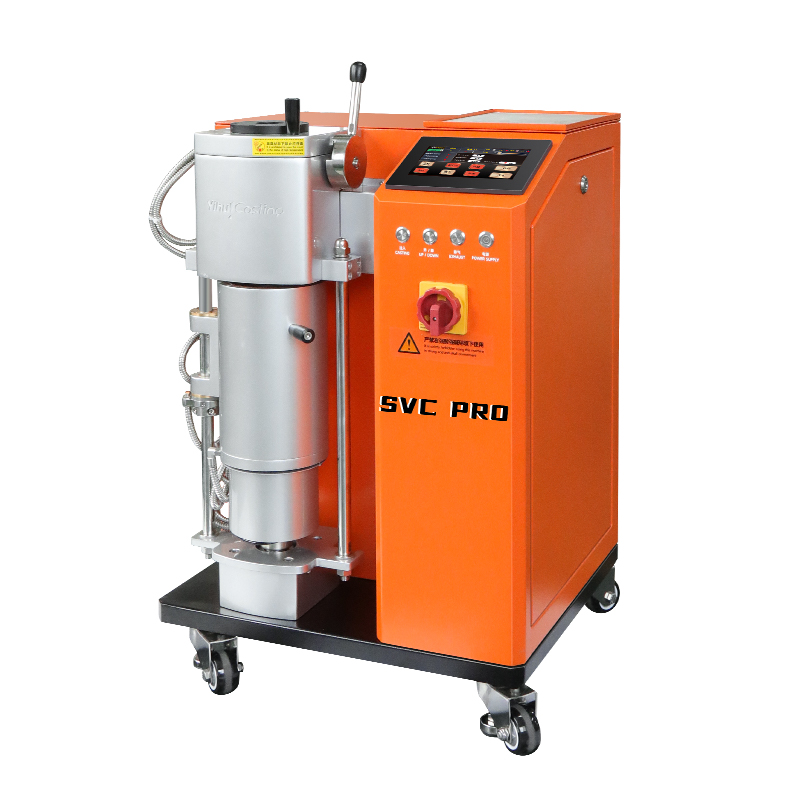
Invest in a high-quality jewelry melting furnace designed for clean operation and easy maintenance. Yihui Casting offers a comprehensive range of melting furnaces with features that minimize contamination risk—from vacuum melting chambers to precision temperature controls and durable, replaceable crucible systems. Explore our solutions and give your workshop the equipment it needs to deliver pure, uncontaminated castings every time.
 online service
Scan to wechat :