Purchasing a complete jewelry casting production line is a significant capital investment, but the equipment itself represents only the beginning of the value equation. What separates a productive, profitable workshop from one plagued by recurring issues and underutilized machinery is the quality of after-sales support and training that accompanies the equipment. A one-stop solution for jewelry casting should include comprehensive post-delivery services that ensure operators can use every machine to its full potential and that technical issues are resolved quickly when they arise.
Too many workshop owners focus exclusively on equipment specifications during the purchasing phase, only to discover after delivery that their supplier offers minimal training, slow technical response, and unreliable spare parts availability. This article outlines the after-sales support and training expectations that buyers should establish before committing to a complete jewelry casting setup, helping ensure that the equipment investment delivers its full promised value over its entire service life.
A complete jewelry casting line typically includes six to ten major machines, each requiring precise installation, utility connections, and calibration before it can operate at specification. Professional installation by the supplier's engineering team should be a standard inclusion in any one-stop equipment package—not an additional billed service. The installation process should encompass:
Equipment unloading, positioning, and leveling
Electrical connections, including voltage verification and phase matching
Water cooling system setup and leak testing
Vacuum pump connections and pressure testing
Gas line installation for protective atmospheres
Initial machine calibration and parameter setup
The supplier should send qualified engineers who are trained on the complete equipment suite, not just individual machines. These engineers should have experience installing production lines in working jewelry workshops, enabling them to anticipate and resolve common site-specific challenges such as inadequate electrical capacity, insufficient ventilation, or space constraints that affect workflow.
Installation is necessary but not sufficient. After machines are physically set up, the supplier should conduct a commissioning process that validates each machine's performance under real production conditions. This means running actual casting cycles with the workshop's alloys and investment materials, producing test pieces, and inspecting them for quality. Commissioning should verify that:
The melting furnace reaches and maintains target temperatures within specified tolerances
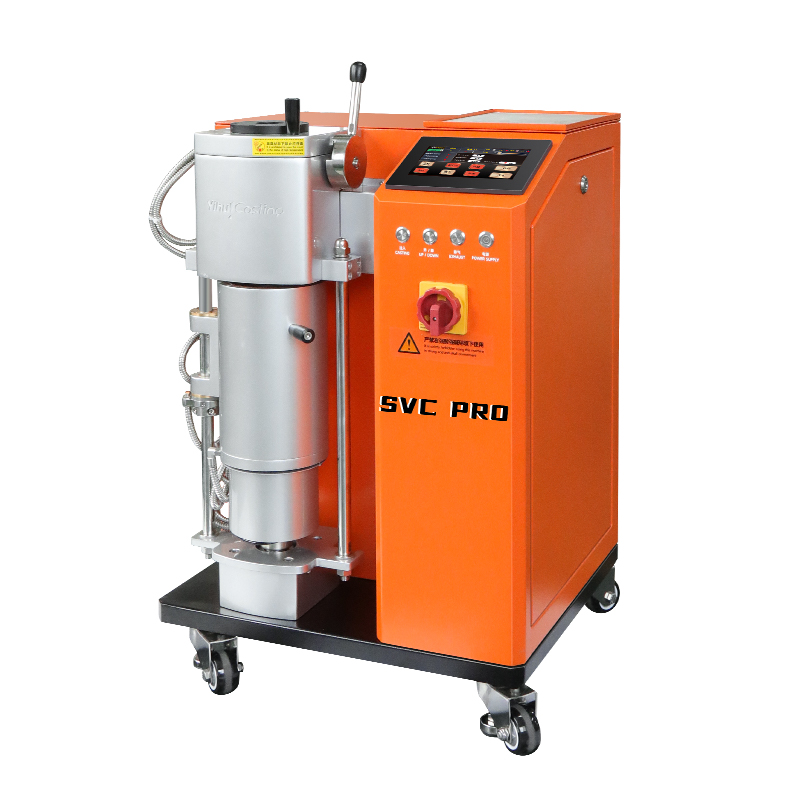
The vacuum pressure casting machine achieves required vacuum levels and overpressure values
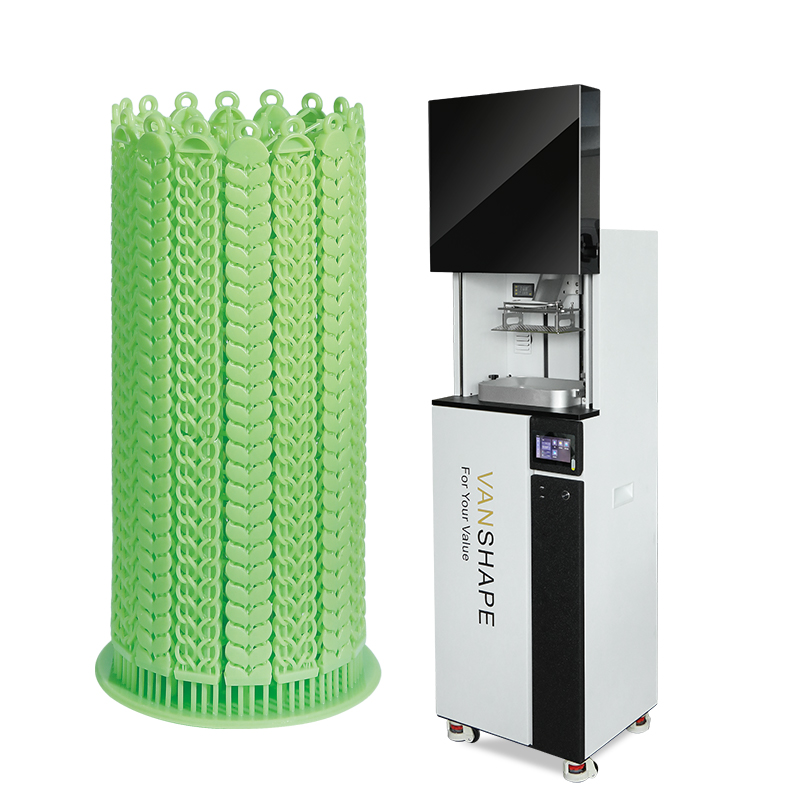
The wax injector produces bubble-free patterns with proper dimensional accuracy
The burnout furnace follows programmed ramp-and-hold schedules correctly
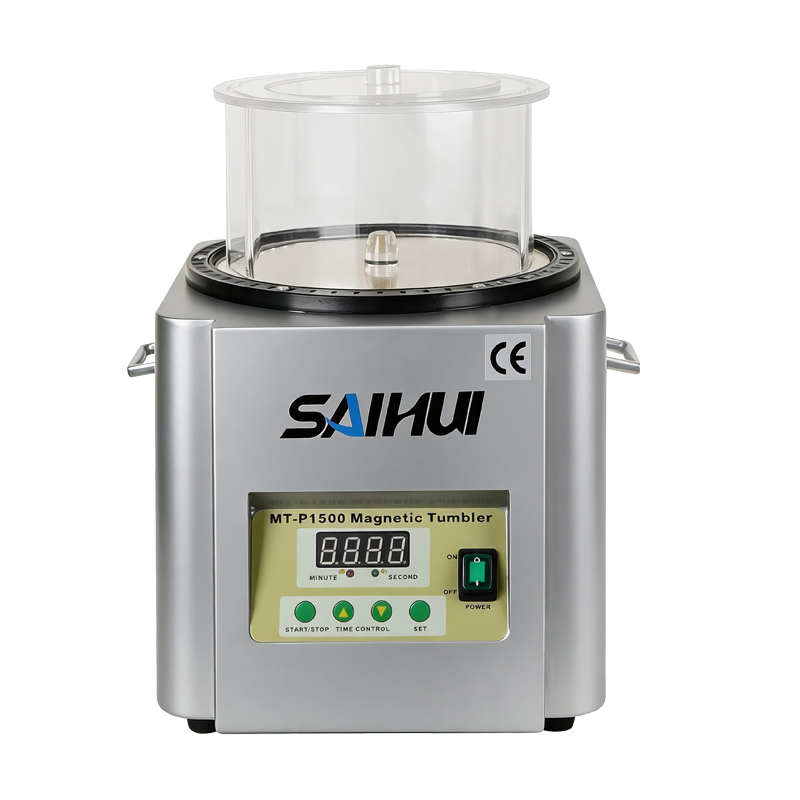
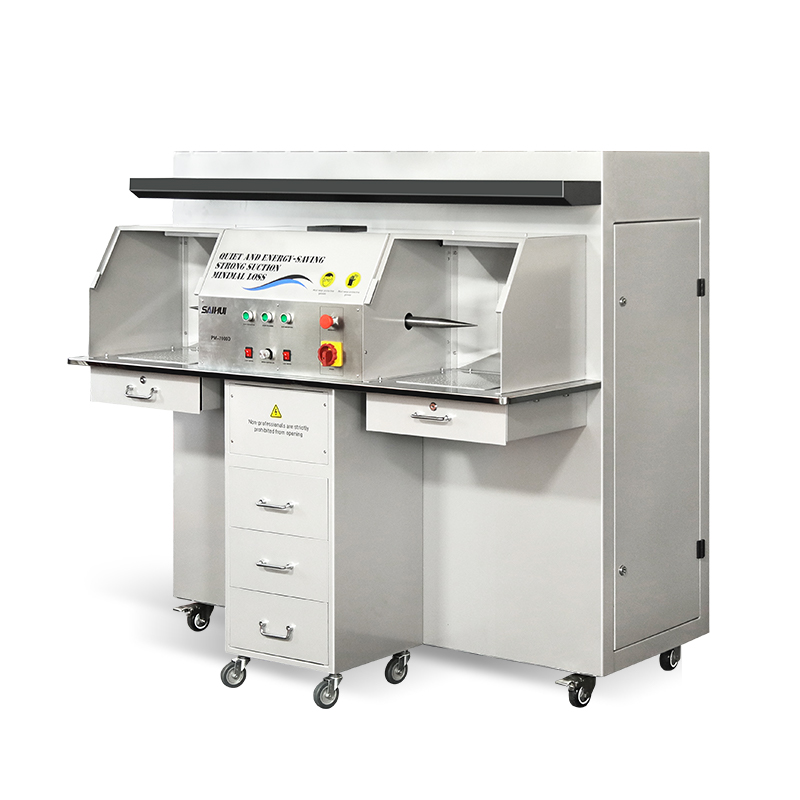
Post-processing equipment, including any jewelry laser welding machine and jewelry polishing machine, operates within specification
Commissioning should conclude with the supplier producing sample castings that meet the workshop's quality standards, demonstrating that the complete line is ready for production. Any defects identified during commissioning should be resolved before the supplier's engineers depart, not left as open issues for the workshop to manage.
Operator training is arguably the most critical component of after-sales support. Even the most advanced equipment will underperform in the hands of untrained operators, and jewelry casting involves complex process interactions that require deep understanding to manage effectively. A one-stop solution should include a structured training program that covers:
Equipment operation: Startup, shutdown, and daily operation procedures for each machine
Parameter optimization: How to adjust temperature, pressure, vacuum, and timing settings for different alloys and product types
Quality assessment: Recognizing casting defects, identifying root causes, and implementing corrective actions
Maintenance procedures: Daily, weekly, and monthly maintenance tasks that operators can perform
Safety protocols: Handling molten metal, managing high-temperature equipment, and emergency procedures
Training should be conducted on the actual installed equipment, not in a generic classroom setting. Operators learn best when they can touch the machines, run cycles, and observe results in real time. A typical complete-line training program spans 5 to 10 days, depending on the number of machines and the operators' prior experience.
Different workshop roles require different levels of training. A well-designed program should offer tiered content:
Basic operator training covers day-to-day machine operation, safety procedures, and routine maintenance. This level is appropriate for all production staff who interact with the equipment.
Advanced process training dives deeper into parameter optimization, alloy management, and defect troubleshooting. This level targets senior operators and production supervisors who are responsible for quality and throughput.
Maintenance technician training focuses on preventive maintenance, component replacement, and basic fault diagnosis. This level is essential for at least one staff member who can address common issues without waiting for external service.
The supplier should provide training materials—operation manuals, quick-reference guides, and video tutorials—in the operators' working language. These materials should be specific to the installed equipment models, not generic documentation that leaves operators guessing about model-specific features.
When production stops due to an equipment issue, every hour of downtime represents lost revenue. A reputable supplier offering a one-stop solution for jewelry casting should provide guaranteed technical support response times, typically structured as:
Initial response within 2 to 4 hours: A technical support engineer acknowledges the issue and begins remote troubleshooting
Remote diagnosis within 24 hours: The root cause is identified, and a resolution path is proposed
On-site arrival within 48 to 72 hours: If the issue cannot be resolved remotely, a technician is dispatched to the workshop
These guarantees should be documented in the purchase agreement, with clear escalation procedures if response times are not met. Without contractual response time commitments, workshops are at the mercy of the supplier's support queue, which may prioritize larger customers or local clients.
Modern jewelry casting equipment increasingly supports remote diagnostics, allowing suppliers' engineers to connect to machines via internet or VPN and monitor parameters, review error logs, and even adjust settings without being physically present. This capability dramatically reduces resolution times for software-related issues, parameter problems, and diagnostic questions.
When evaluating a supplier, verify which machines in their equipment suite support remote connectivity and what capabilities remote access provides. Full remote diagnostic support can resolve an estimated 40% to 60% of technical issues without requiring an on-site visit, saving both time and service call costs.
At the time of equipment delivery, the supplier should provide a critical spare parts package containing components that are most likely to require replacement during the first one to two years of operation. For a jewelry casting line, this typically includes:
Thermocouples and temperature sensors for furnaces and casting machines
Vacuum pump seals and O-rings
Crucibles for melting furnaces
Laser protective lenses and focusing optics
Wax injector nozzles and seals
Control board fuses and relays
Having these parts on hand eliminates the waiting period for international shipping when common failures occur, reducing downtime from weeks to hours. The supplier should provide a parts list with current pricing, enabling the workshop to budget for future replacements.
Beyond reactive support, a comprehensive after-sales program should offer preventive maintenance contracts. These contracts typically include scheduled visits—quarterly or semi-annually—where a supplier technician inspects, calibrates, and services every machine in the production line. Preventive maintenance identifies wear components before they fail, calibrates drift in sensors and controllers, and ensures that equipment continues to operate at original specification levels.
The cost of preventive maintenance contracts is typically offset many times over by the production losses they prevent. A single catastrophic equipment failure during peak production can cost more in lost revenue than an entire year of maintenance contract fees. Workshop owners should view preventive maintenance not as an optional expense but as an essential component of their production risk management strategy.
After-sales support and training are not supplementary services—they are integral components of a complete jewelry casting solution that determine whether the equipment investment achieves its intended return. Installation and commissioning validate that machines work together as a system. Operator training ensures that staff can extract maximum performance from each machine. Ongoing technical support and spare parts availability protect against the production disruptions that erode profitability.
When evaluating suppliers for a one-stop solution for jewelry casting, buyers should assess after-sales capabilities with the same rigor applied to equipment specifications. The best equipment in the world will underdeliver without the support infrastructure to keep it running at peak performance. By establishing clear expectations for installation, training, technical support, and maintenance before purchase, workshop owners can build a foundation for long-term production success.
Looking for a jewelry casting partner who stands behind their equipment with comprehensive after-sales support? Visit Yihui Casting to learn about our complete installation, training, and technical service programs designed to keep your workshop running at peak efficiency.
 online service
Scan to wechat :