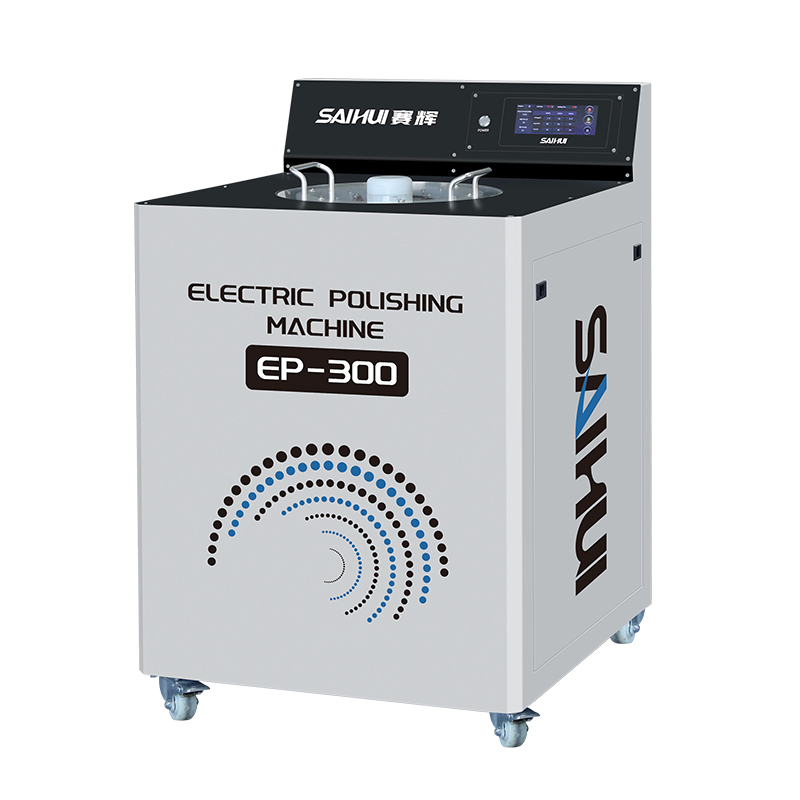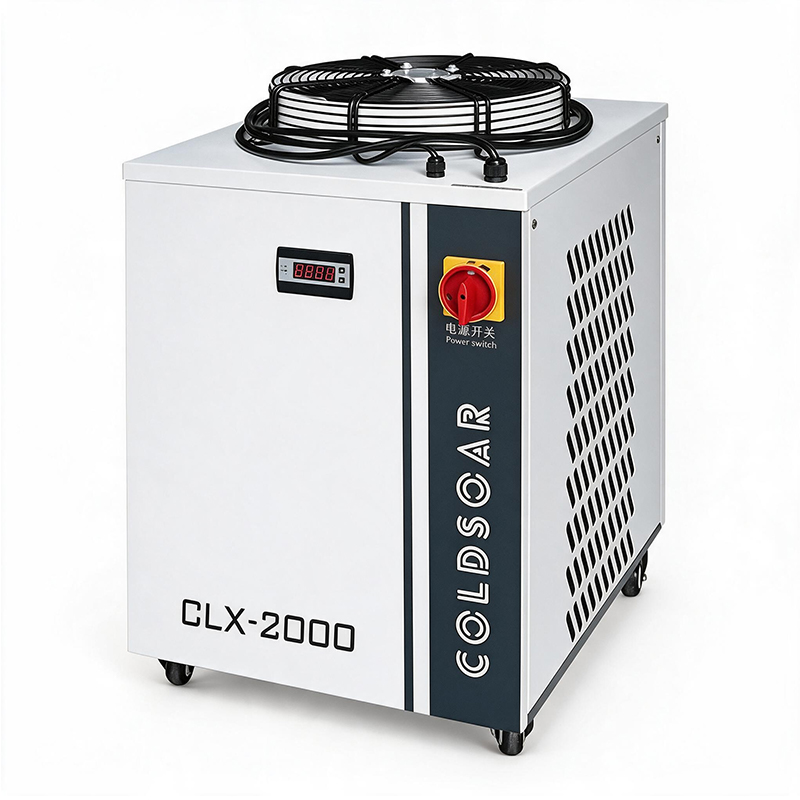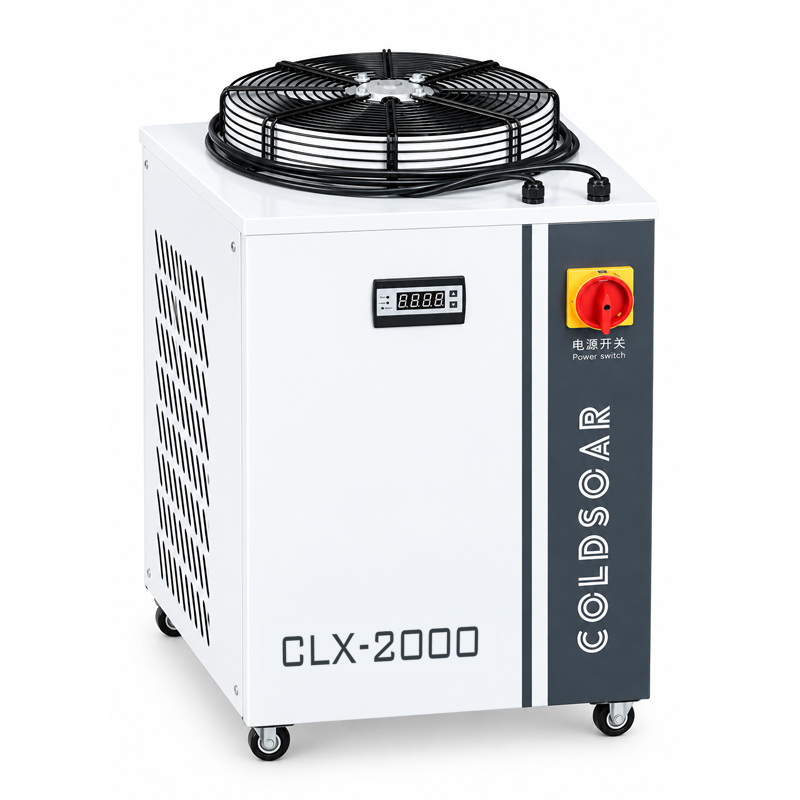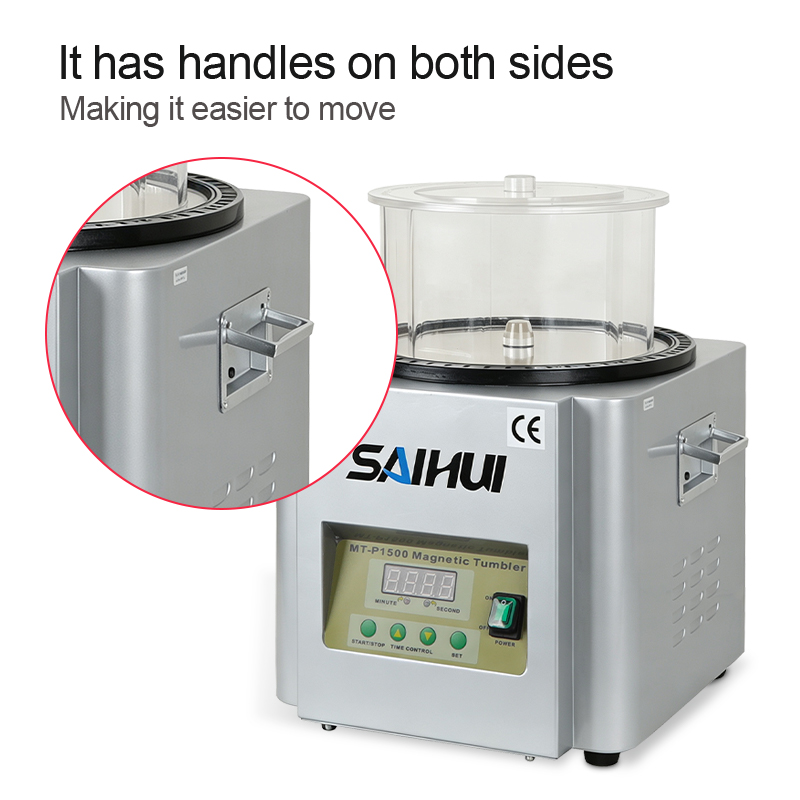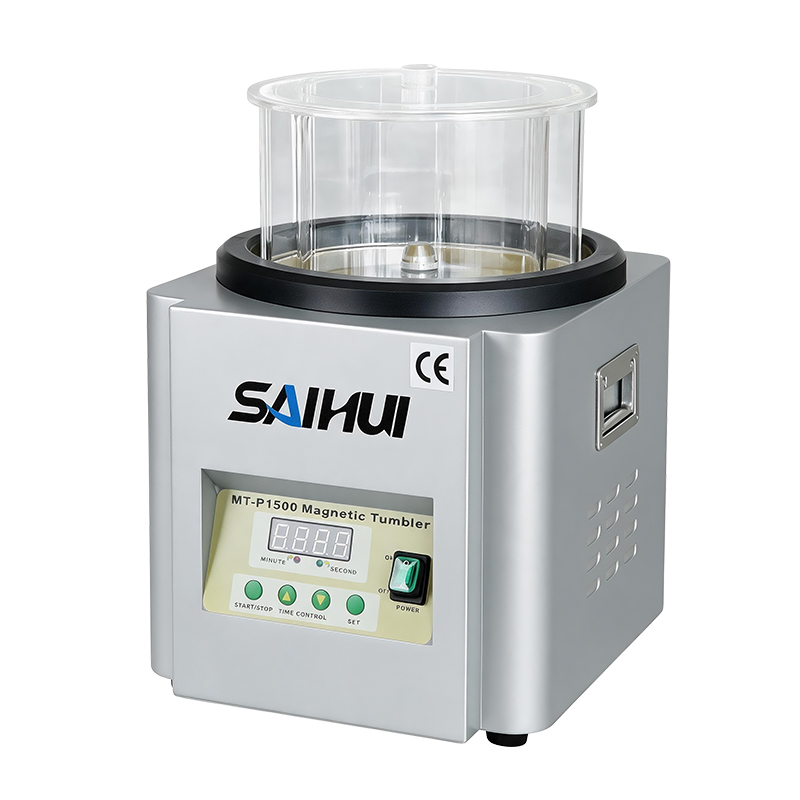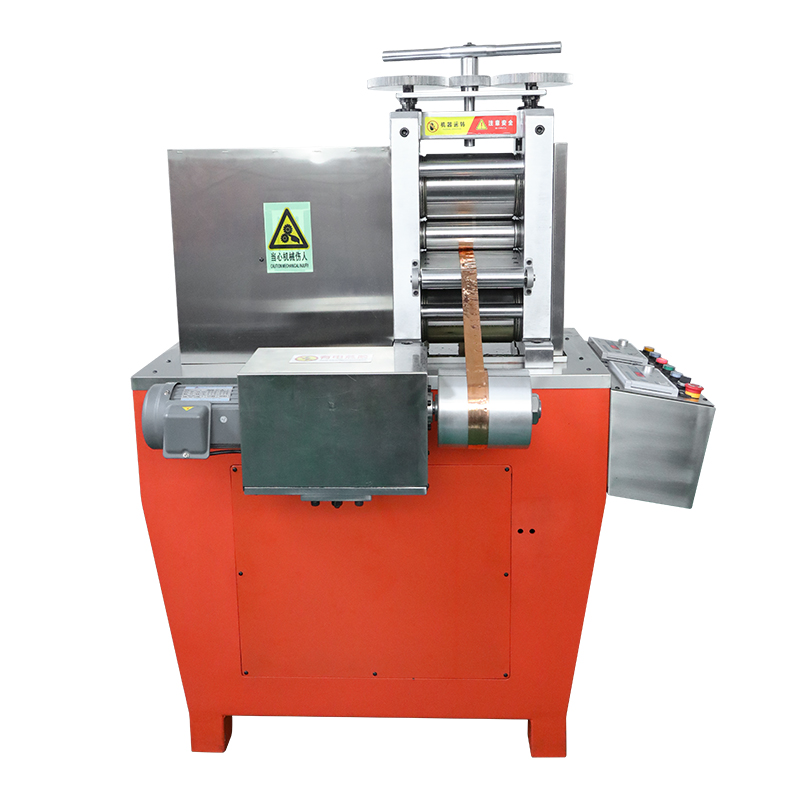
A jewelry casting production line is not merely a collection of machines occupying the same workshop—it is an interconnected manufacturing system where each piece of equipment depends on the output of the previous stage and feeds the requirements of the next. When machines are sourced from a single supplier as part of a one-stop solution for jewelry casting, integration and compatibility are engineered into the equipment suite from the outset. When machines are assembled piecemeal from multiple suppliers, integrat···...
Read More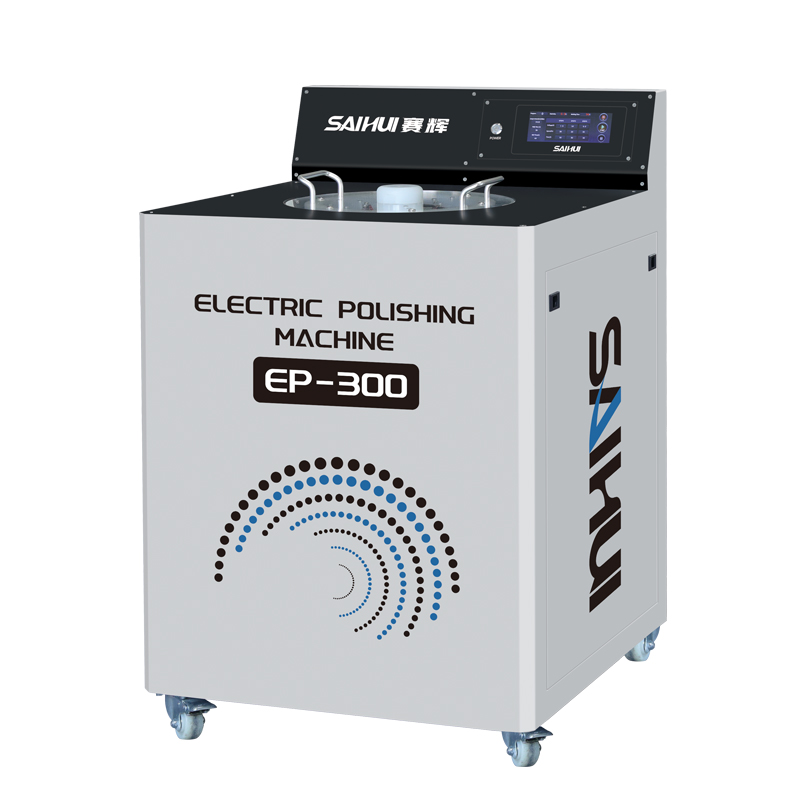
Every jewelry manufacturing business begins with a vision for growth. A startup workshop might begin producing a few dozen pieces per day, but the goal is typically to scale to hundreds or thousands of pieces daily as the business establishes its market position. The equipment infrastructure put in place on day one either supports this growth trajectory or constrains it. A well-designed one-stop solution for jewelry casting should accommodate expansion from startup volumes to high-volume production without requirin···...
Read More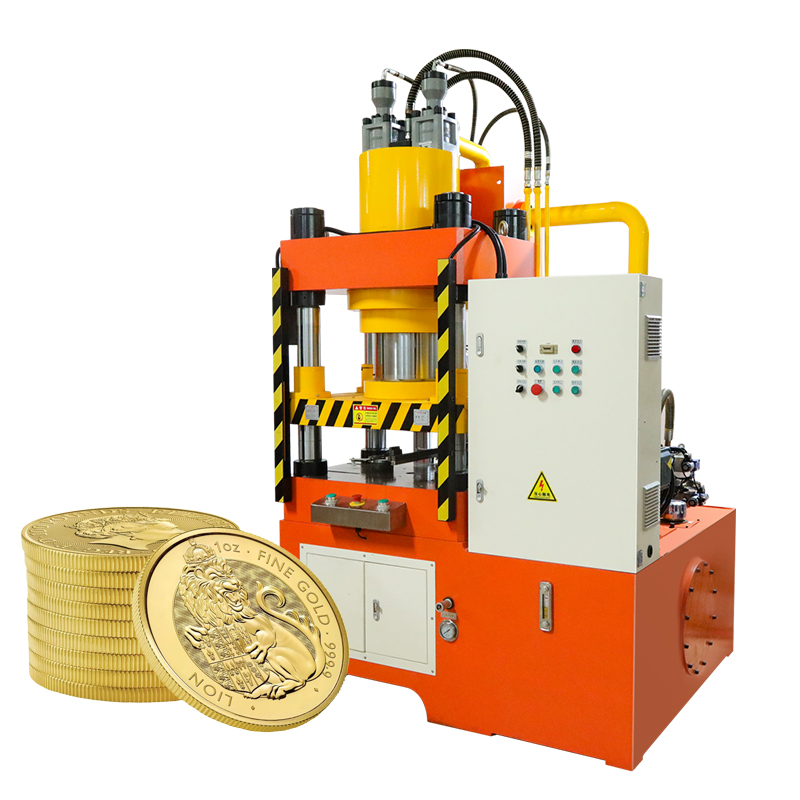
Purchasing a complete jewelry casting production line is a significant capital investment, but the equipment itself represents only the beginning of the value equation. What separates a productive, profitable workshop from one plagued by recurring issues and underutilized machinery is the quality of after-sales support and training that accompanies the equipment. A one-stop solution for jewelry casting should include comprehensive post-delivery services that ensure operators can use every machine to its full potent···...
Read More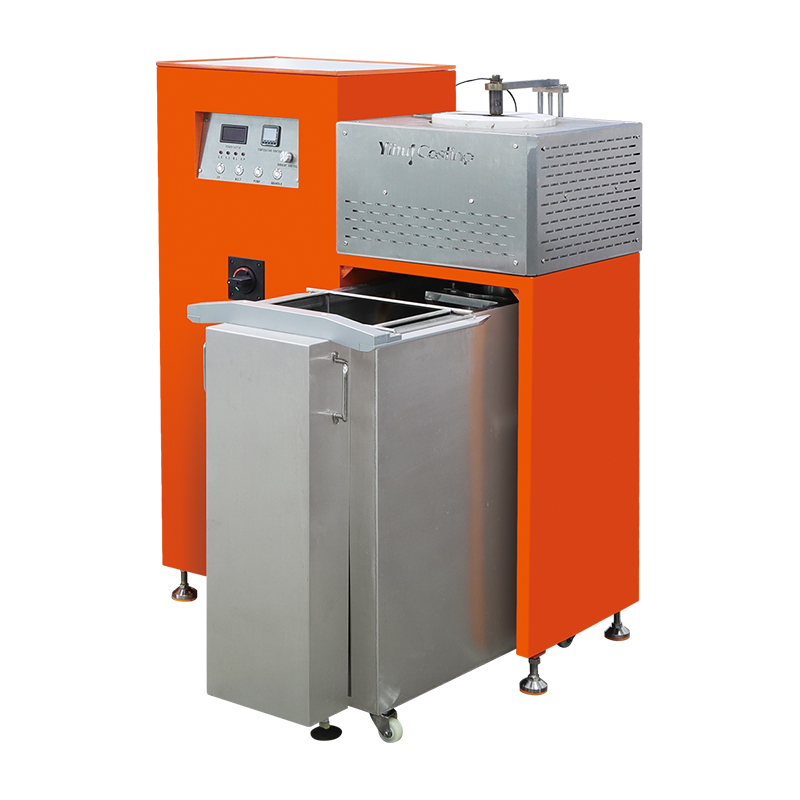
When jewelry workshop owners plan a new production facility or upgrade an existing one, the default approach is often to source each piece of equipment from the supplier offering the lowest price for that specific machine. This piecemeal procurement strategy appears cost-effective on the surface—each machine is purchased at its individual best price—but it ignores the substantial hidden costs that arise when equipment from multiple manufacturers must be integrated into a single working production line. These hidd···...
Read More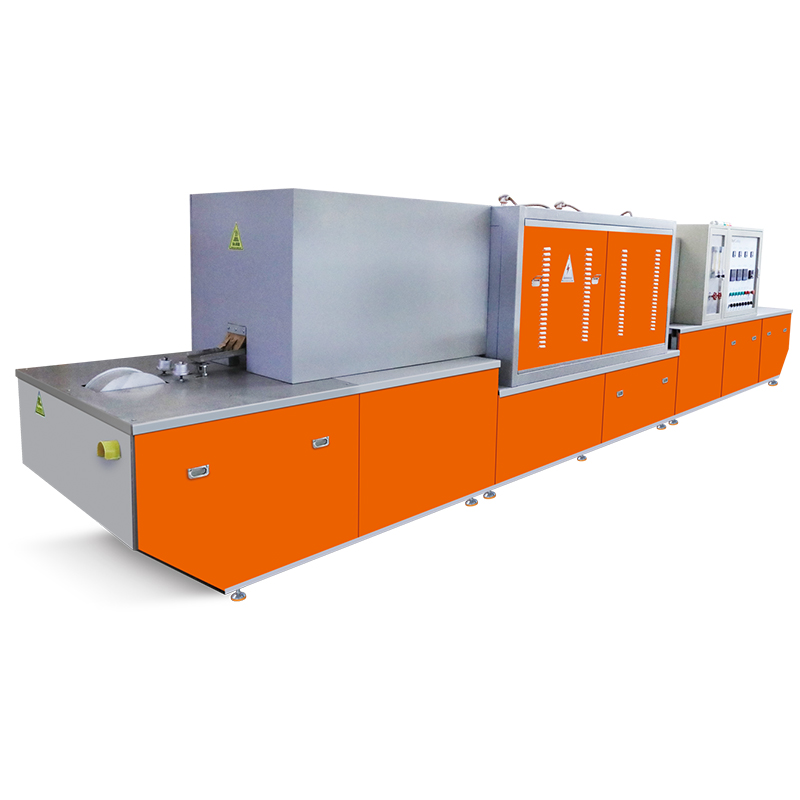
Selecting a supplier for a complete jewelry casting production line is one of the most consequential decisions a workshop owner or production manager will make. Unlike purchasing a single machine, where specifications can be compared in isolation, evaluating a one-stop solution for jewelry casting requires assessing how an entire suite of equipment works together as an integrated system. The efficiency of your workshop depends not on the peak performance of any single machine, but on the balanced throughput across ···...
Read More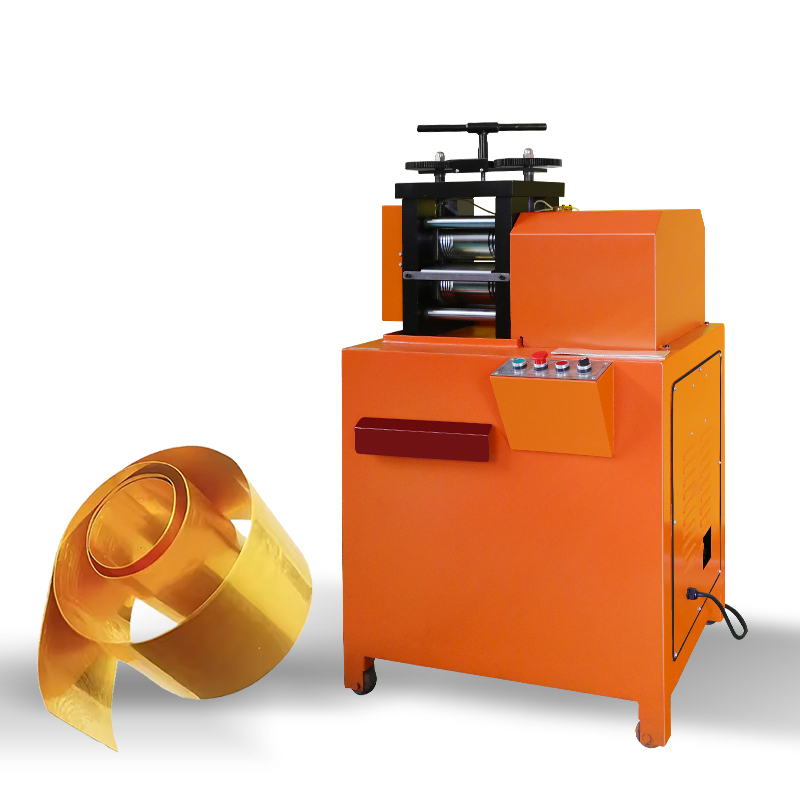
Setting up a jewelry manufacturing workshop requires far more than a single casting machine. From the initial digital design to the final polished piece, jewelry production involves a sequence of highly specialized processes, each demanding dedicated equipment engineered to exacting tolerances. For workshop owners and production managers, understanding the full scope of machinery required is the first step toward building an efficient, profitable operation. A Yihui Casting one-stop solution for jewelry casting elim···...
Read More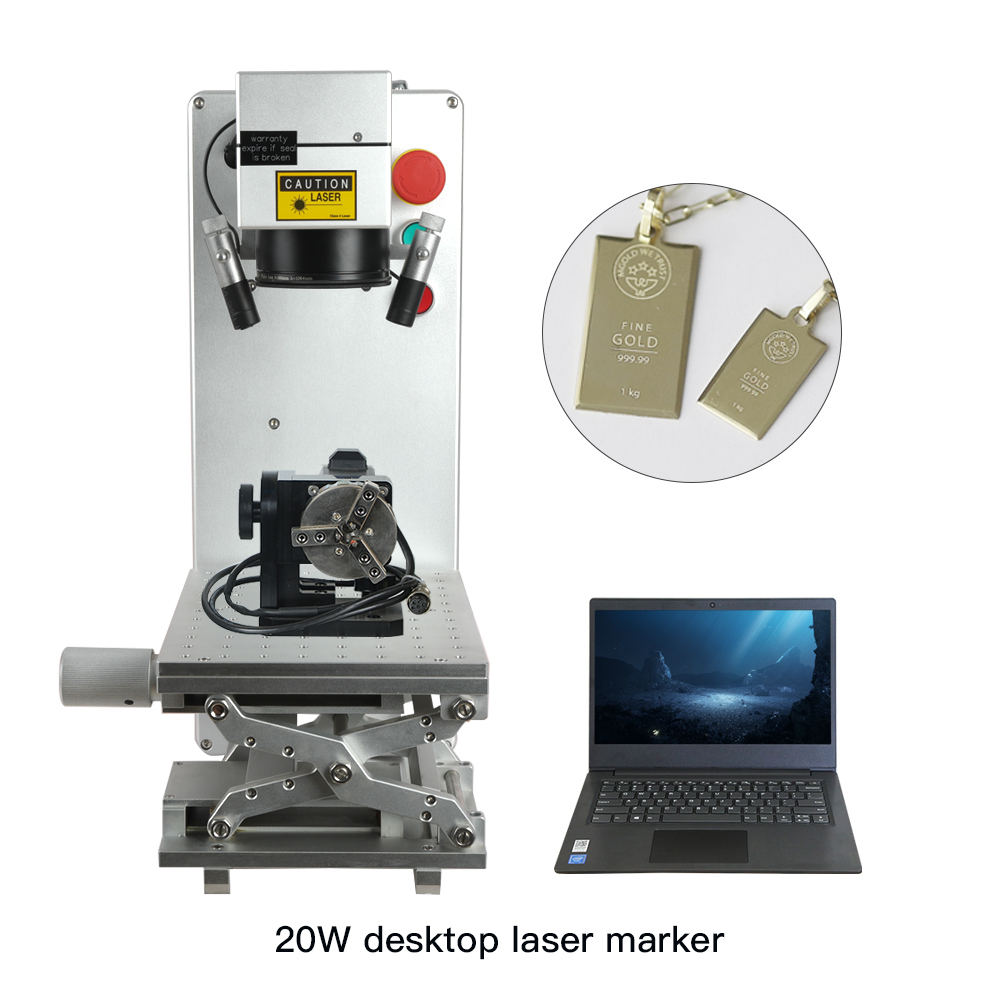
A fiber laser machine for jewelry represents a significant capital investment for any workshop, and protecting that investment through proper maintenance is essential to maximizing return on investment, maintaining engraving quality, and avoiding costly unplanned downtime. Unlike traditional jewelry workshop equipment—which often requires daily attention to mechanical wear, lubrication, and tool sharpening—laser systems have a reputation for being low-maintenance. While broadly true, this reputation can lead to c···...
Read More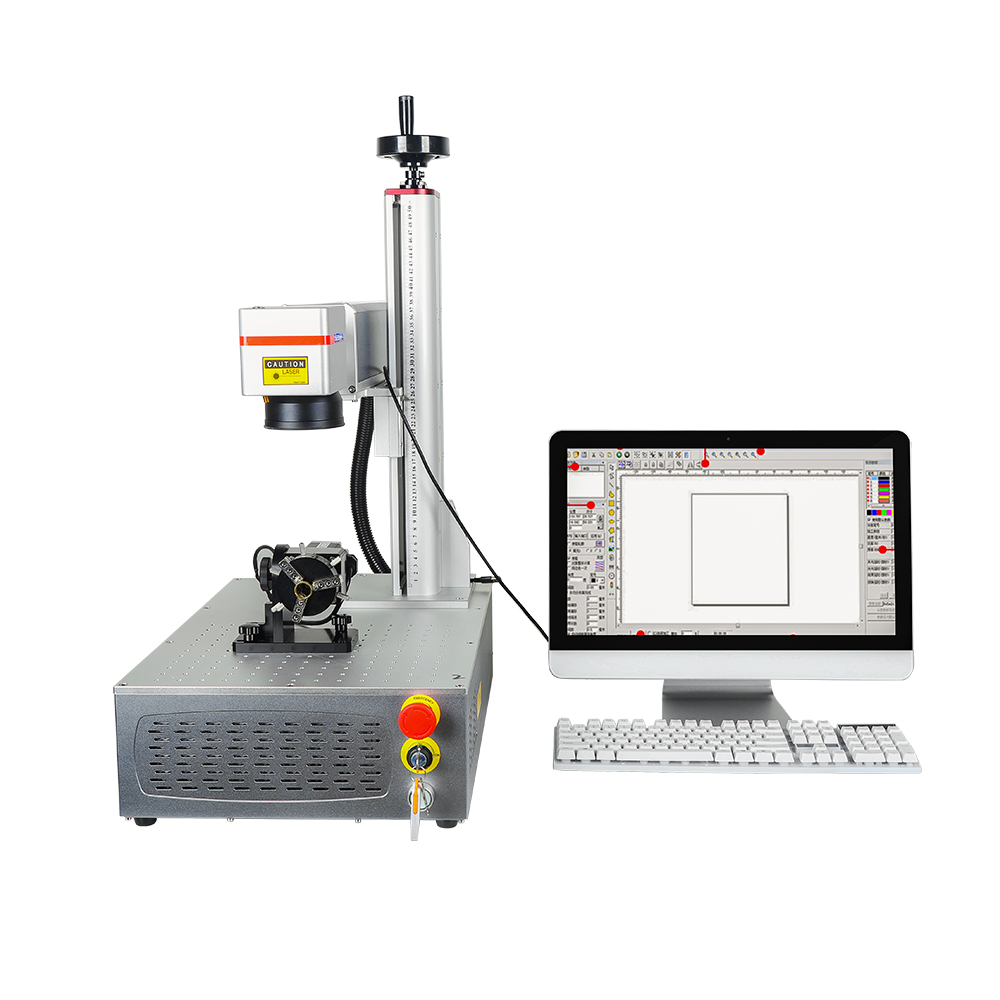
The debate between laser engraving and traditional hand engraving is one of the most persistent discussions in the jewelry industry. Advocates of hand engraving point to centuries of tradition, artistic uniqueness, and the irreplaceable quality of a craftsman's touch. Proponents of laser technology highlight precision, speed, consistency, and the ability to execute designs that are physically impossible with hand tools. For jewelry manufacturers and retailers making technology investment decisions, understandin···...
Read More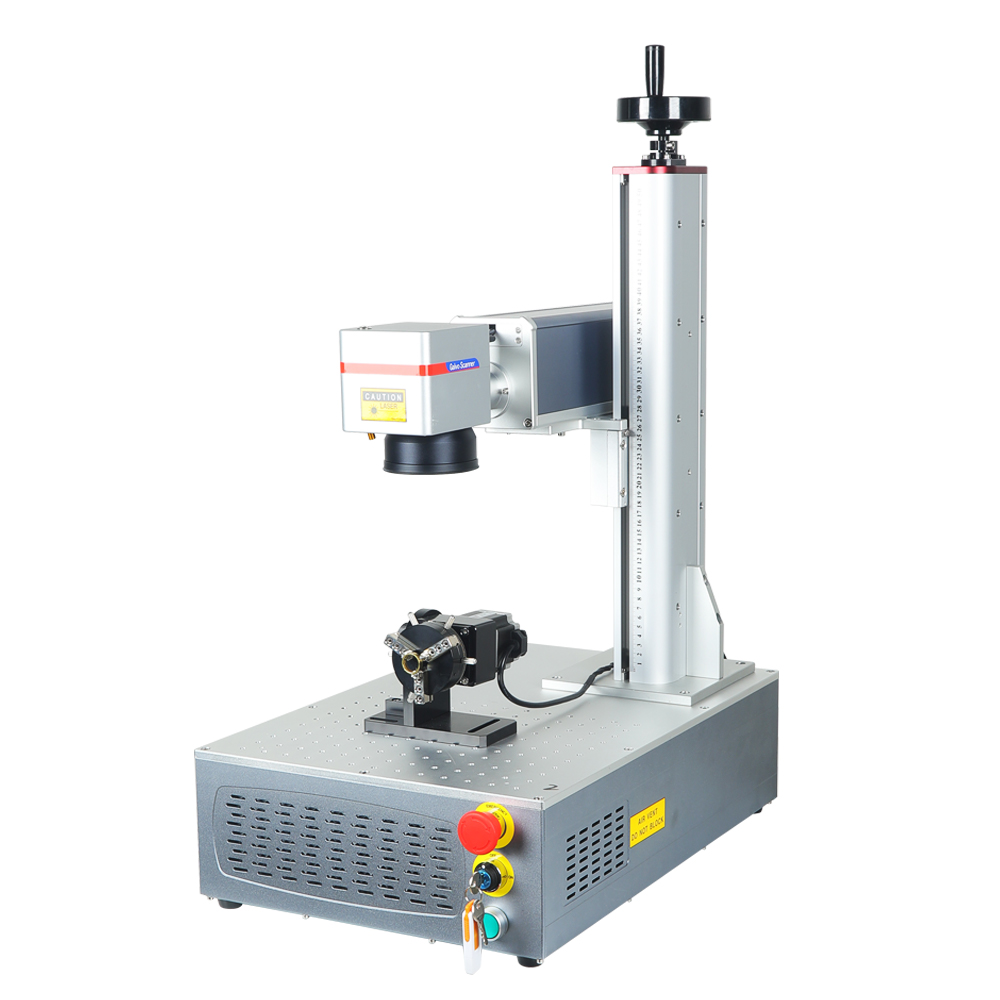
Not all jewelry metals respond to laser processing in the same way. Gold, silver, platinum, titanium, stainless steel, brass, and copper each present unique challenges and opportunities when engraved or marked with a laser machine for jewelry. Differences in reflectivity, thermal conductivity, melting point, and oxidation behavior mean that a parameter set that produces beautiful results on stainless steel may barely leave a visible mark on gold, or worse, damage a delicate silver component.This article provides a ···...
Read More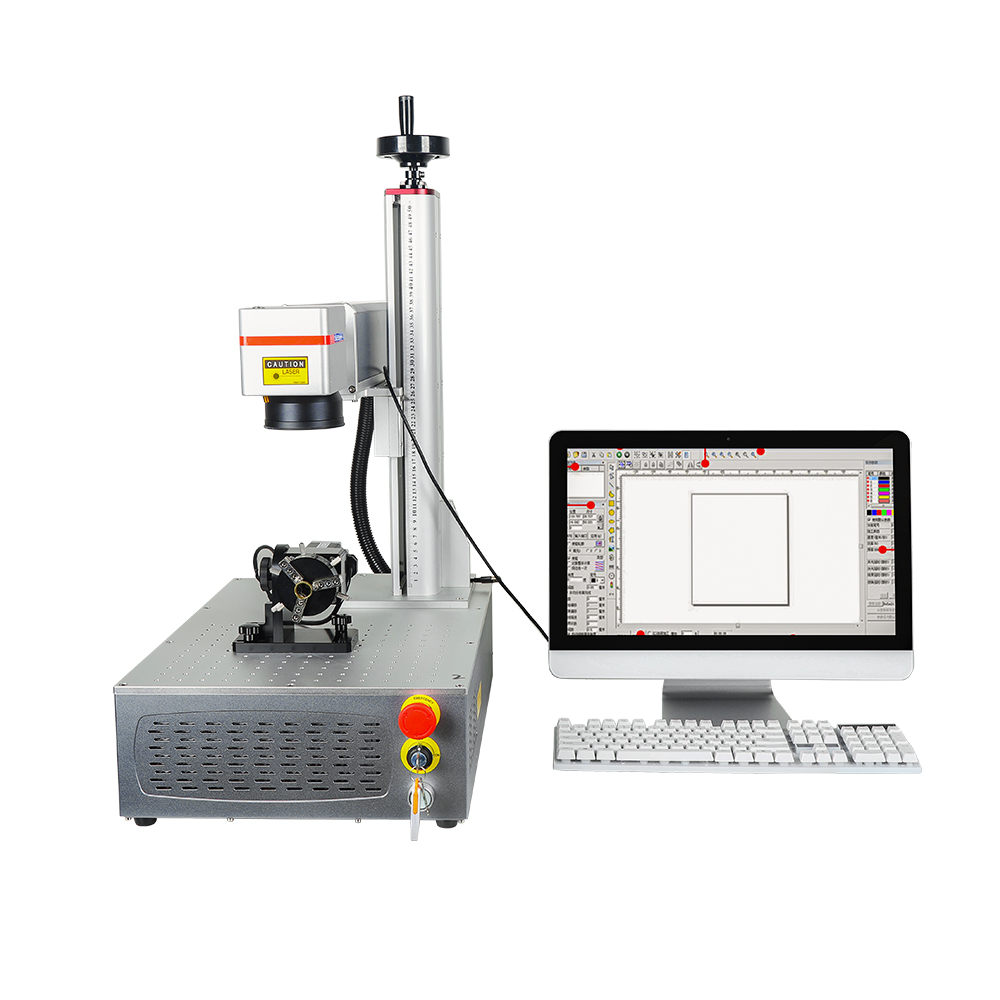
Owning a fiber laser machine for jewelry is only the first step toward achieving professional-quality engraving results. The difference between a crisp, high-contrast hallmark and a burnt, distorted mess often comes down to the operator's understanding of laser parameters—specifically power, speed, frequency, and hatch settings. These variables interact in non-obvious ways, and the optimal configuration changes depending on the metal alloy, the desired effect, and the specific laser source and optics in use.Th···...
Read More
 online service
Scan to wechat :