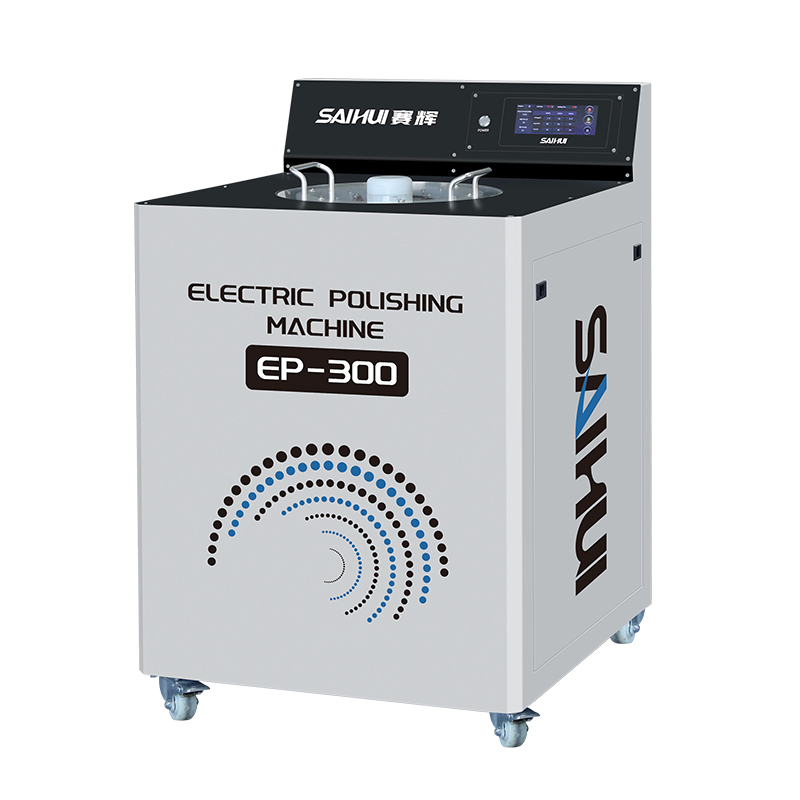
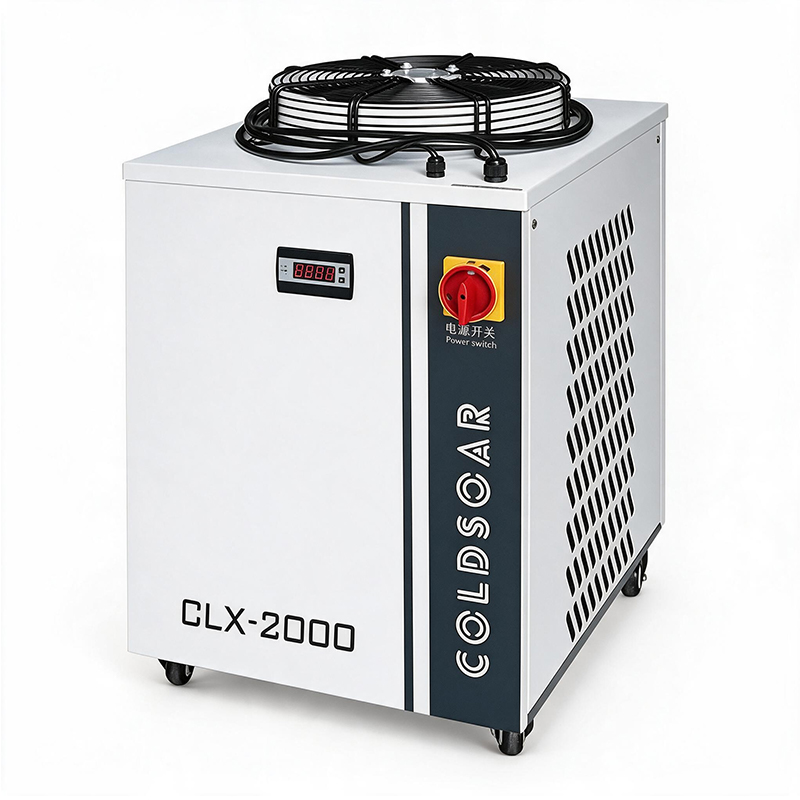
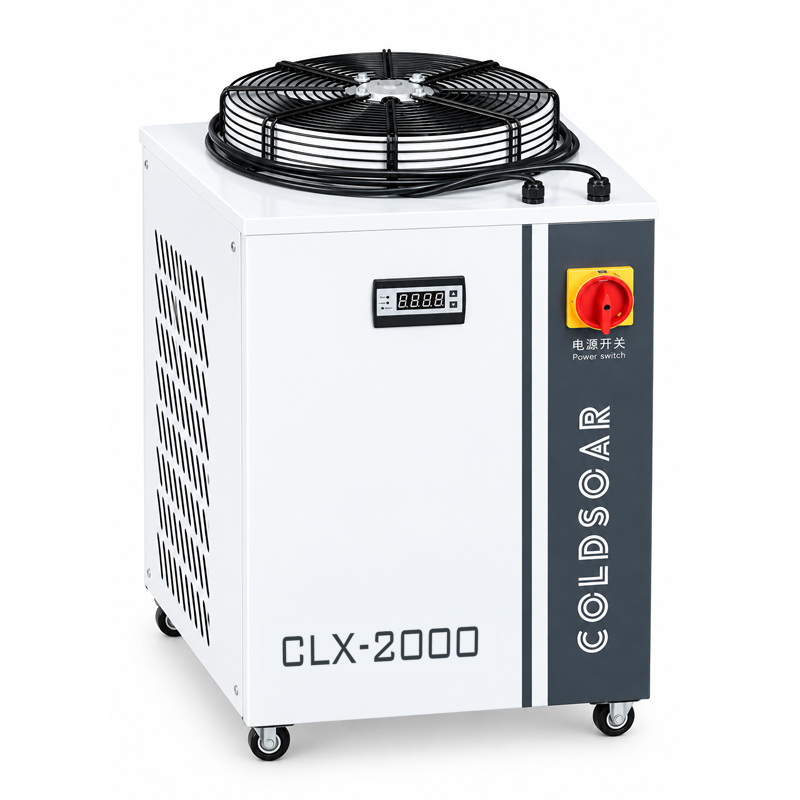
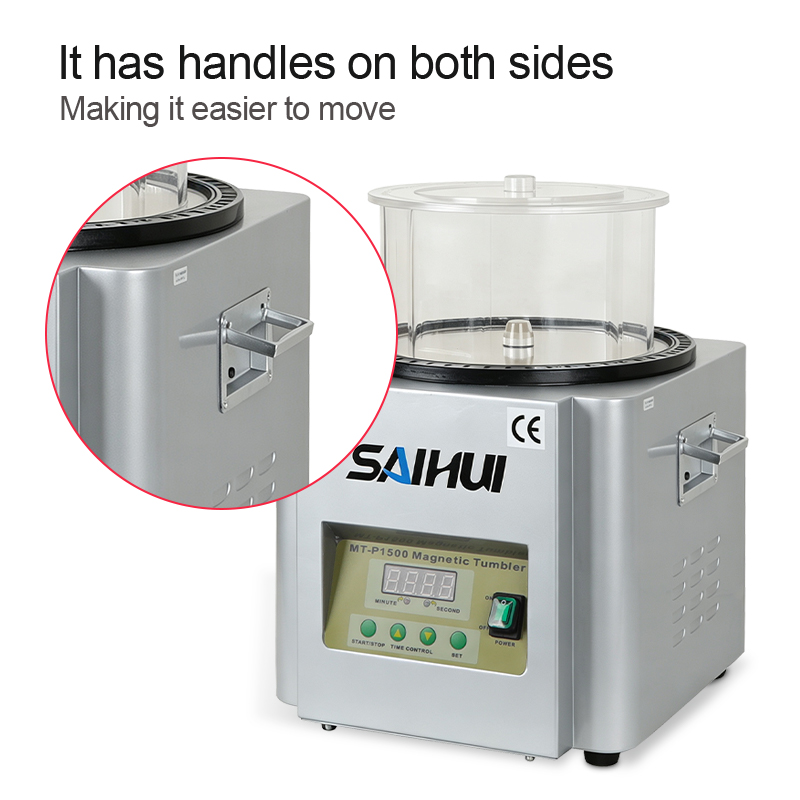
The warmth of Bangkok in September is strong, and the 72nd Bangkok Jewelry Exhibition has kicked off at the Queen Sirkit National Convention Center (QSNCC)!*Coordinate Lock: Booth X02-08/Y01-07* Extension synchronization: September 9-13Core product highlights*16K high-resolution 3D printer: specially designed for ultra high precision jewelry prototype production, displaying freshly printed jewelry prototypes on site. The diamond claw inlay and pattern are restored at the millimeter level, solving the pain point of ···...
Read More
The 72nd Bangkok Jewelry Fair will be held from September 9th to 13th, 2025 at the Queen Sirkit National Convention Center (QSNCC) in Bangkok, Thailand. Yihui Casting Technology Co., Ltd. has made sufficient preparations and warmly welcomes friends and partners from around the world to visit its booth. Here, we will exchange cutting-edge casting innovations and create win-win cooperation to promote the progress of the international jewelry industry!BoothNumber:X02-08/Y01-07ExhibitionDates:September9-13,2025Exhibiti···...
Read More
Shenzhen International Jewelry Exhibition will grandly kick off from September 11th to 15th, 2025 at Hall 9 of the Shenzhen Convention and Exhibition Center. As a deep cultivator in the field of high-quality casting, Yihui Casting Technology Co., Ltd. is fully prepared and warmly looks forward to friends from home and abroad visiting the booth to discuss casting technology innovation and explore opportunities for cooperation in the jewelry industry! #9F37-42Booth Number: 9F37-42Exhibition time: September 11-15, 202···...
Read More
Shenzhen International Jewelry Exhibition will grandly kick off from September 11th to 15th, 2025 at Hall 9 of the Shenzhen Convention and Exhibition Center. As a deep cultivator in the field of high-quality casting, Yihui Casting Technology Co., Ltd. is fully prepared and warmly looks forward to friends from home and abroad visiting the booth to discuss casting technology innovation and explore opportunities for cooperation in the jewelry industry! #9F37-42Booth Number: 9F37-42Exhibition time: September 11-15, 202···...
Read More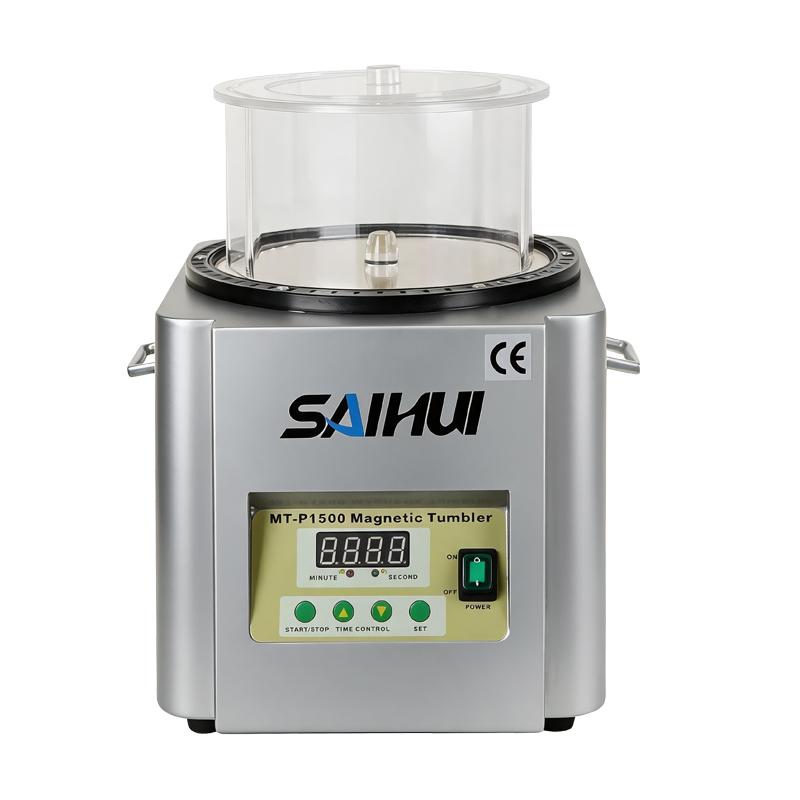
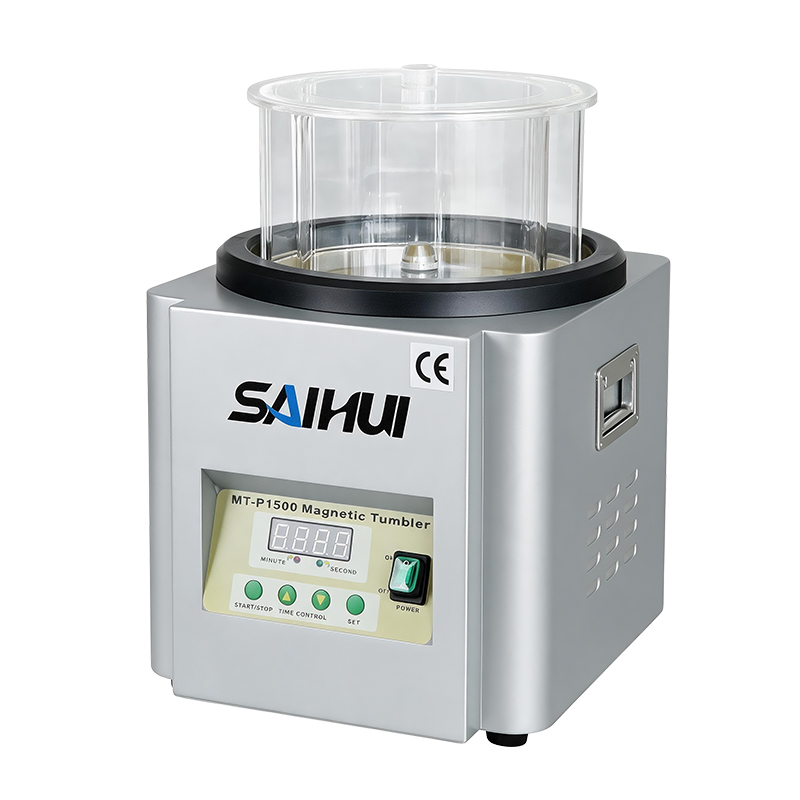
A jewelry polishing machine is the final step in the production chain where raw castings become finished jewelry pieces. The quality of your polishing output—surface brilliance, uniform finish, absence of scratches and pits—depends directly on the condition of your polishing media and machine components. Over time, media wears down, abrasives lose their cutting power, and mechanical parts degrade from continuous operation. When these elements reach the end of their effective service life, polishing quality deteri···...
Read More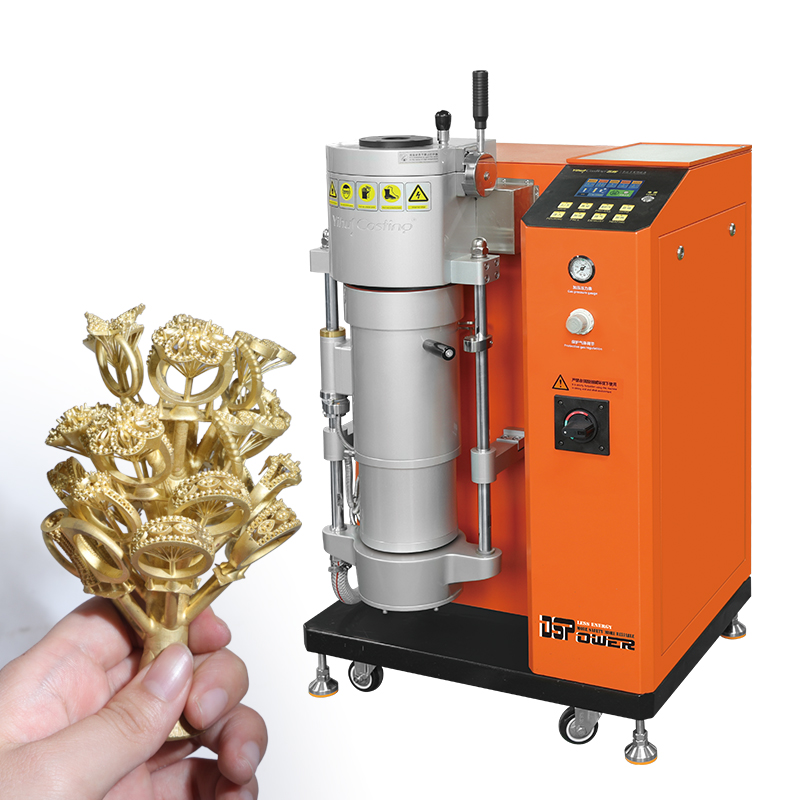
Jewelry casting is a precision manufacturing process where every piece of equipment in the production chain—from wax injection to burnout to casting to polishing—must operate reliably to deliver consistent quality. A single equipment failure can halt an entire production run, waste expensive precious metal, and create a backlog that delays delivery commitments. In workshops that operate multiple jewelry casting equipment systems, the financial impact of unplanned downtime compounds rapidly.Preventive maintenance—···...
Read More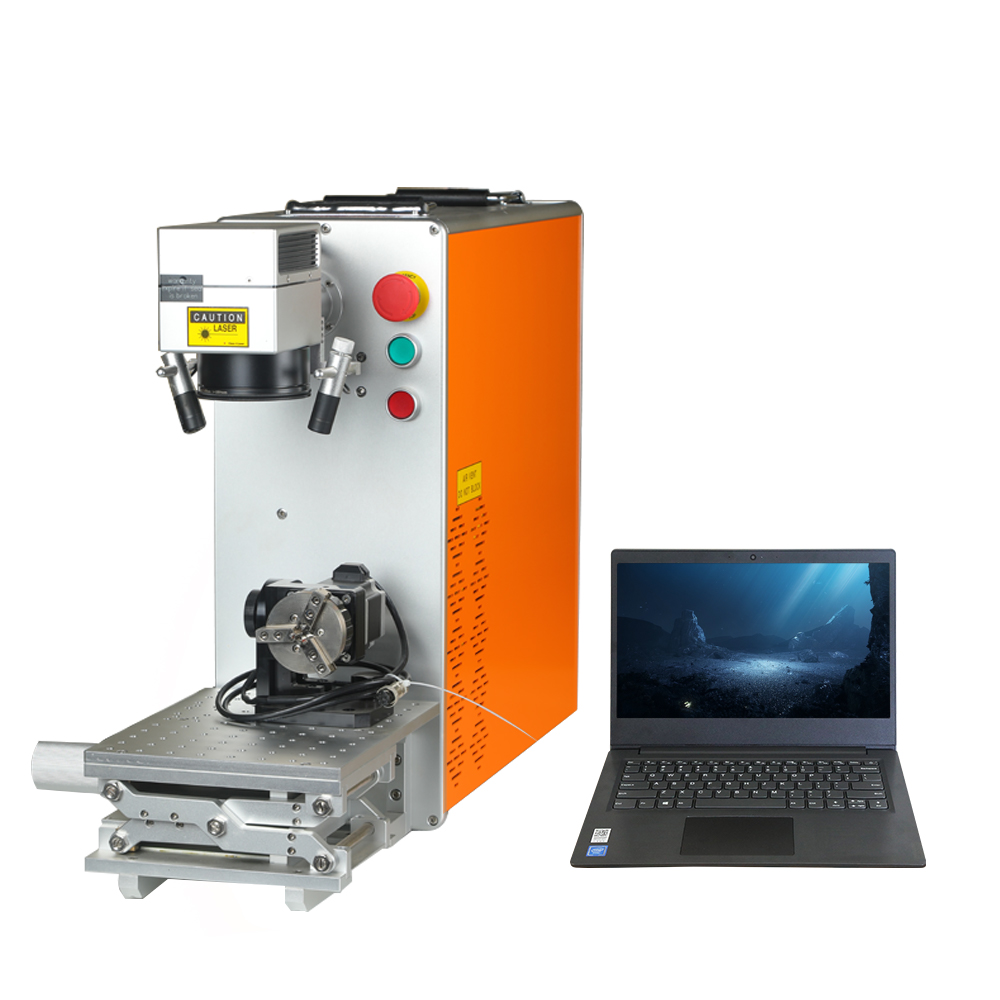
A laser machine for jewelry is a precision tool that depends on optical clarity and beam accuracy for every operation—whether you are welding fine chains, cutting settings, engraving patterns, or marking hallmarks. The quality of your laser work is directly determined by the condition of your machine's optical components and the accuracy of its beam calibration. A dirty lens reduces power delivery, produces inconsistent welds, and can even damage the lens itself through thermal absorption of debris. A poorly c···...
Read More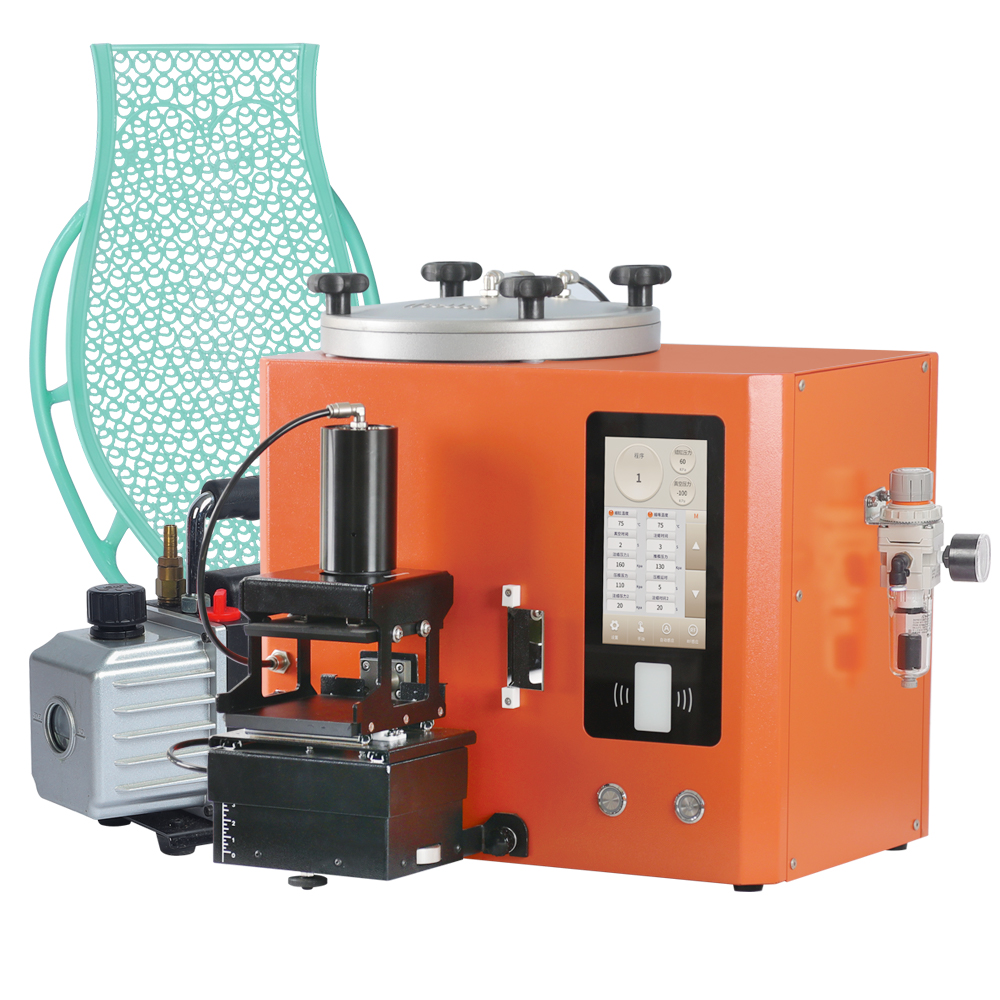
A vacuum wax injector is a precision machine that forms the foundation of lost-wax casting quality. When wax models are injected cleanly and accurately, the entire downstream process—from investing to burnout to casting—proceeds with fewer defects and higher yields. But when wax injection goes wrong, the problems cascade through every subsequent stage, wasting time, material, and labor.This article covers the most common wax injector problems encountered in jewelry workshops, provides systematic troubleshooting p···...
Read More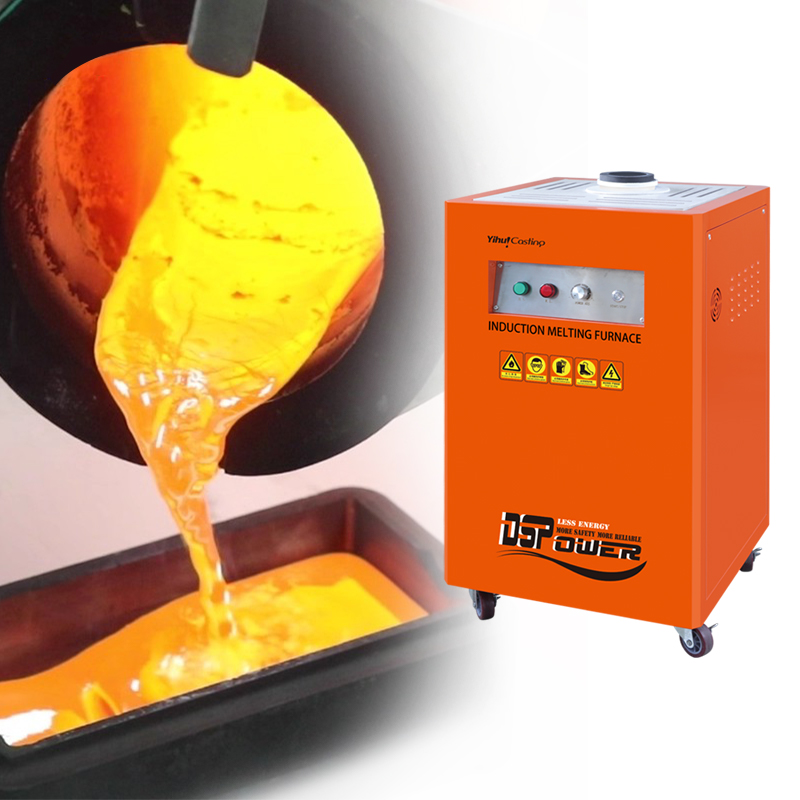
A jewelry melting furnace is the heart of any precious metal casting operation. Whether you are melting gold, silver, platinum, or specialty alloys, the furnace must deliver clean, uncontaminated metal to ensure the quality and value of your finished jewelry. Metal contamination—caused by crucible residue, oxidized buildup, or cross-alloy mixing—is one of the most common and costly problems in jewelry workshops. It can discolor finished pieces, alter alloy composition, weaken structural integrity, and reduce the ···...
Read More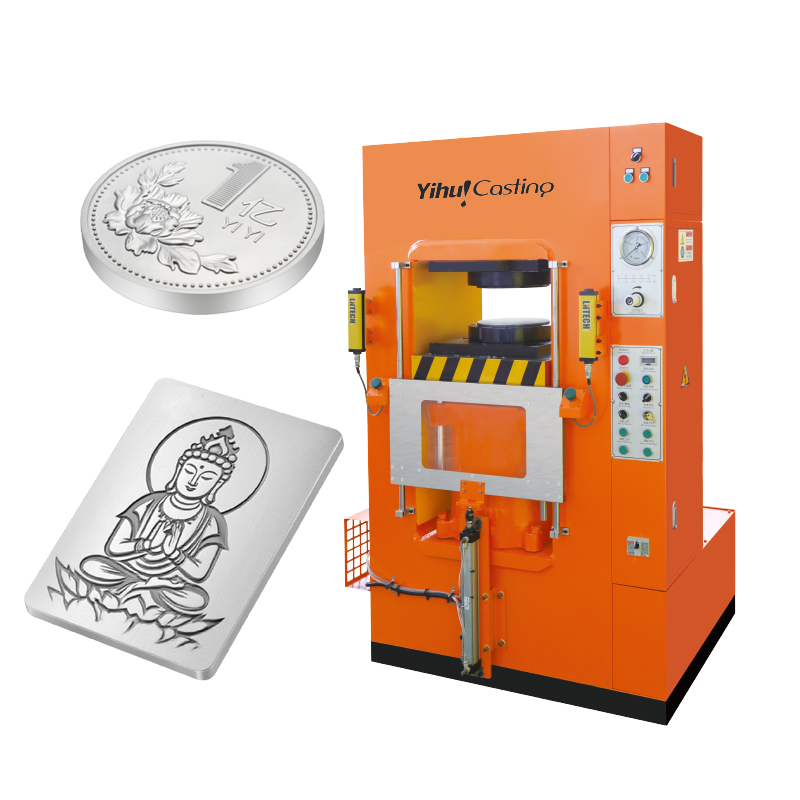
A vacuum pressure casting machine is one of the most critical investments in any jewelry production workshop. These machines combine vacuum-assist and pressure-casting technologies to deliver dense, porosity-free castings for gold, silver, platinum, and other precious metals. However, like any precision equipment, they require consistent and methodical maintenance to perform at their best. Neglecting routine upkeep leads to casting defects, unplanned downtime, and costly repairs that far exceed the time and effort ···...
Read More
 online service
Scan to wechat :