Jewelry casting is one of the most fundamental processes in the jewelry manufacturing industry, transforming raw precious metals into intricate and beautiful designs. The quality of the final product heavily depends on the jewelry casting equipment used throughout the process. From small artisan workshops to large-scale manufacturing facilities, having the right equipment ensures precision, efficiency, and consistent results that meet the demanding standards of the jewelry market.
Modern professional jewelry casting systems have evolved significantly over the decades, incorporating advanced technologies that improve accuracy, reduce waste, and streamline production workflows. Whether you're a seasoned jewelry manufacturer or setting up a new casting operation, understanding the various types of equipment and their applications is crucial for making informed investment decisions that will impact your business for years to come.
Yihui Casting, based in Guangzhou, China, has been at the forefront of jewelry casting equipment manufacturing, providing comprehensive solutions that range from wax injection machines to complete casting lines. Their expertise in designing and manufacturing equipment specifically for the jewelry industry has made them a trusted partner for manufacturers worldwide who demand reliability and precision in their production processes.
A complete jewelry casting operation requires multiple pieces of equipment working in harmony. Each component plays a vital role in the casting process, from creating the initial wax patterns to the final metal casting. Understanding these components helps manufacturers build efficient production lines that maximize output while maintaining quality standards.
Wax injection machines form the foundation of the jewelry casting process. These machines create precise wax patterns that will eventually become the final metal jewelry pieces. Modern wax injection equipment features precise temperature control, adjustable injection pressure, and multiple cavity capabilities that allow for high-volume production of consistent wax patterns. The quality of the wax pattern directly affects the final casting quality, making this equipment critical to the overall process.
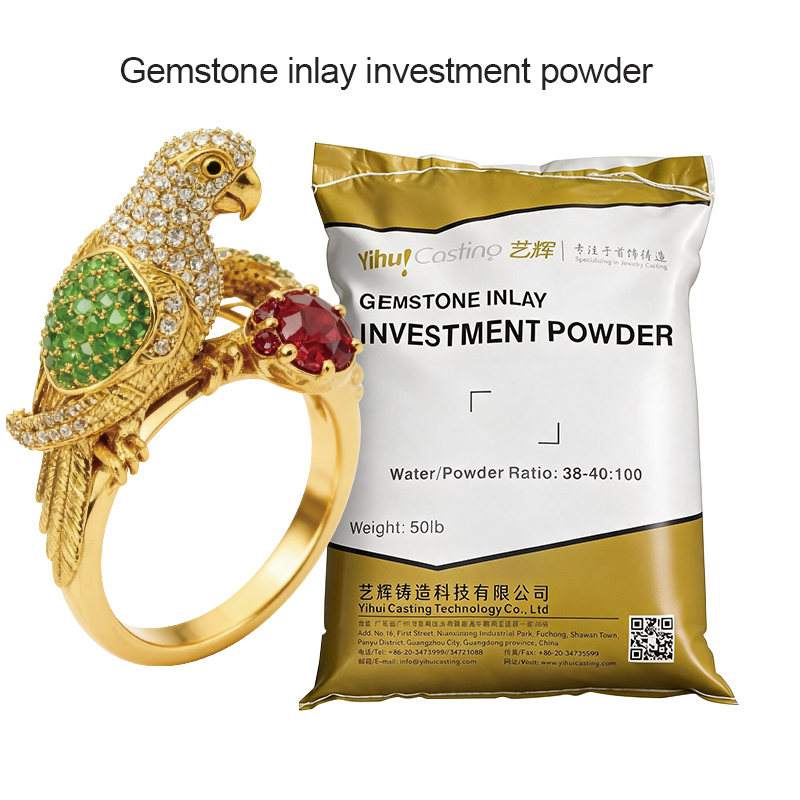
Once wax patterns are created, they must be invested in a ceramic shell that will form the mold for metal casting. Investment powder mixing equipment ensures consistent slurry preparation, while flask systems hold the investment during the burnout and casting processes. Proper investment techniques are essential for capturing the fine details of jewelry designs and preventing defects in the final cast pieces.
Burnout furnaces remove the wax from the investment mold, leaving a hollow cavity that will receive the molten metal. These furnaces must reach high temperatures and maintain precise temperature profiles throughout the burnout cycle. Programmable burnout furnaces allow manufacturers to create custom burnout schedules that optimize mold quality for different types of jewelry and investment materials.
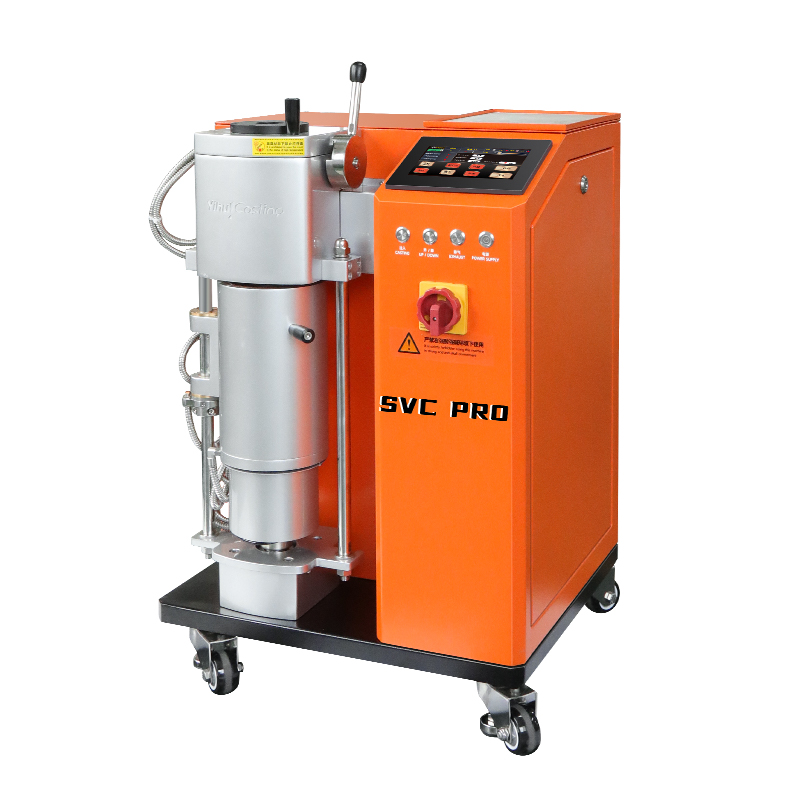
Among all the equipment in a jewelry casting operation, the vacuum casting machine stands as perhaps the most critical piece of equipment. These machines use vacuum pressure to draw molten metal into the investment mold, ensuring complete filling of even the most intricate details. The vacuum process eliminates air pockets and porosity that can plague gravity casting methods, resulting in higher quality castings with fewer defects.
Modern vacuum casting machines offer a range of features that enhance the casting process:
Programmable vacuum levels for different metals and mold configurations
Automatic timing sequences that ensure consistent results
Multiple flask capacity for increased throughput
Digital displays and controls for precise parameter management
Safety interlocks and alarms that protect operators
The investment in a quality vacuum casting machine pays dividends through reduced rejection rates, higher quality finished pieces, and increased production capacity. Leading manufacturers like Yihui Casting offer various models suited to different production volumes and budget requirements, ensuring that jewelry manufacturers can find equipment matched to their specific needs.
Before casting can occur, metal must be melted and prepared properly. Melting furnaces designed for jewelry casting handle precious metals like gold, silver, and platinum, as well as various alloys used in costume jewelry. These furnaces must maintain precise temperatures and provide clean melting environments that prevent contamination of the metal.
Induction melting furnaces have become increasingly popular in jewelry manufacturing due to their efficiency, precise temperature control, and clean melting process. Unlike gas or resistance furnaces, induction melting heats the metal directly through electromagnetic induction, reducing energy consumption and providing faster melting cycles. This technology is particularly valuable when working with precious metals where minimizing losses and maintaining purity are paramount concerns.
While casting equipment handles the transformation of metal into finished pieces, moulding machine systems play a crucial role in creating the rubber molds used for wax pattern production. These machines compress rubber around master models under heat and pressure, creating production-ready molds that can produce thousands of identical wax patterns.
Quality moulding equipment ensures that rubber molds capture every detail of the master model with perfect replication. This precision is essential for maintaining design integrity throughout production runs. Modern moulding machines feature:
Precise temperature control for optimal rubber curing
Adjustable pressure settings for different mold configurations
Automatic timing for consistent cure cycles
Multiple plate sizes to accommodate various mold dimensions
Digital controls that simplify operation and ensure repeatability
The moulding process directly impacts the quality of wax patterns and, ultimately, the final cast pieces. Investing in quality moulding equipment from established manufacturers like Yihui Casting ensures that this critical step in the production process meets the high standards required for professional jewelry manufacturing.
While vacuum casting is widely used, centrifugal casting remains an important method for certain types of jewelry production. Centrifugal casting machines use spinning force to throw molten metal into the mold cavity, creating pressure that fills intricate details. This method is particularly effective for certain types of jewelry and can be more economical for smaller operations.
Modern centrifugal casting machines incorporate safety features and precision controls that make them reliable and consistent production tools. The choice between vacuum and centrifugal casting often depends on the specific types of jewelry being produced, production volumes, and budget considerations. Many jewelry manufacturers maintain both types of equipment to handle different production requirements.
Beyond the major pieces of casting equipment, jewelry manufacturers need various supporting systems to create efficient production operations. These include:
Steam dewaxing units for removing wax from investment molds
Quenching tanks for cooling cast flasks
Investment removal equipment for cleaning cast pieces
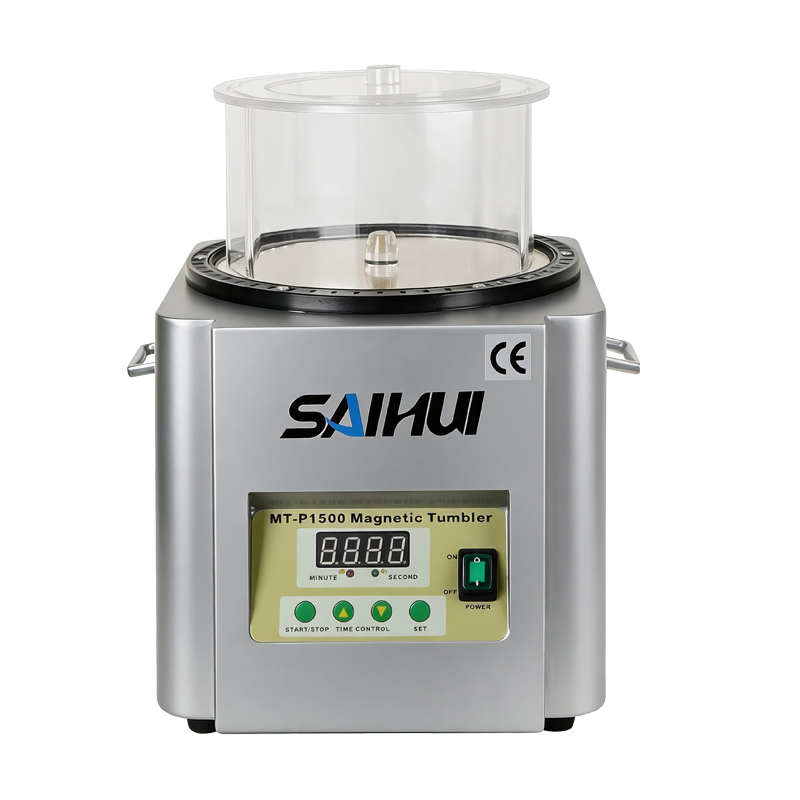
Tumbling and finishing equipment for final piece preparation
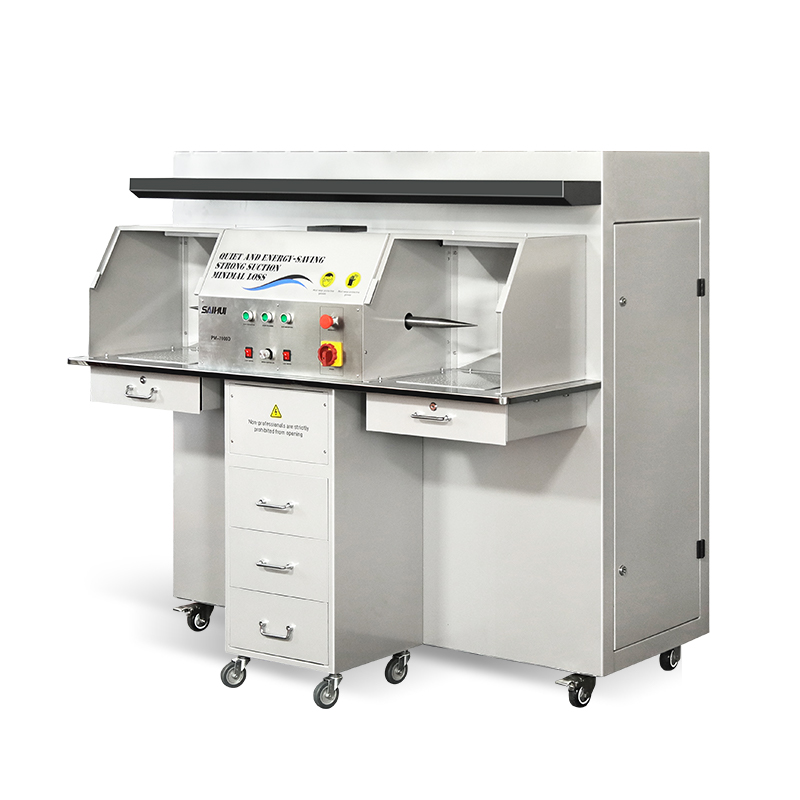
Dust collection systems for maintaining clean work environments
Temperature monitoring and control systems
Each supporting system contributes to the overall efficiency and quality of the casting operation. Proper integration of these systems with major equipment creates streamlined workflows that maximize productivity while maintaining the quality standards essential in jewelry manufacturing.
Selecting appropriate equipment for a jewelry casting operation requires careful consideration of multiple factors. Production volume, types of jewelry to be manufactured, available space, budget constraints, and labor skills all influence equipment selection decisions. Working with experienced equipment manufacturers helps ensure that chosen equipment meets current needs while allowing for future growth.
Key considerations when selecting jewelry casting equipment include:
Production Capacity: Equipment should match current production needs with room for growth
Metal Types: Different metals require different temperature ranges and handling capabilities
Jewelry Complexity: Intricate designs may require more sophisticated casting systems
Quality Requirements: Higher quality standards demand more precise equipment
Operator Skill Levels: Equipment complexity should match available labor skills
Maintenance Requirements: Consider ongoing maintenance needs and support availability
Yihui Casting provides consultation services to help manufacturers select equipment configurations optimized for their specific requirements. Their experience serving diverse jewelry manufacturers worldwide provides valuable insights into equipment selection and system design.
Proper maintenance of jewelry casting equipment is essential for ensuring consistent performance and extending equipment life. Regular maintenance schedules, proper cleaning procedures, and timely replacement of wear parts prevent unexpected breakdowns that can disrupt production schedules and compromise quality.
Equipment manufacturers provide maintenance guidelines specific to their machines, and following these recommendations helps maintain warranty coverage while ensuring optimal performance. Training operators in proper equipment care and establishing documented maintenance procedures creates a culture of equipment stewardship that protects manufacturing investments.
The jewelry casting equipment industry continues to evolve with advances in technology and changing market demands. Automation, improved process controls, and integration with digital design systems represent key trends shaping the future of jewelry casting equipment. Manufacturers who stay current with these developments position themselves for competitive advantages in an increasingly demanding market.
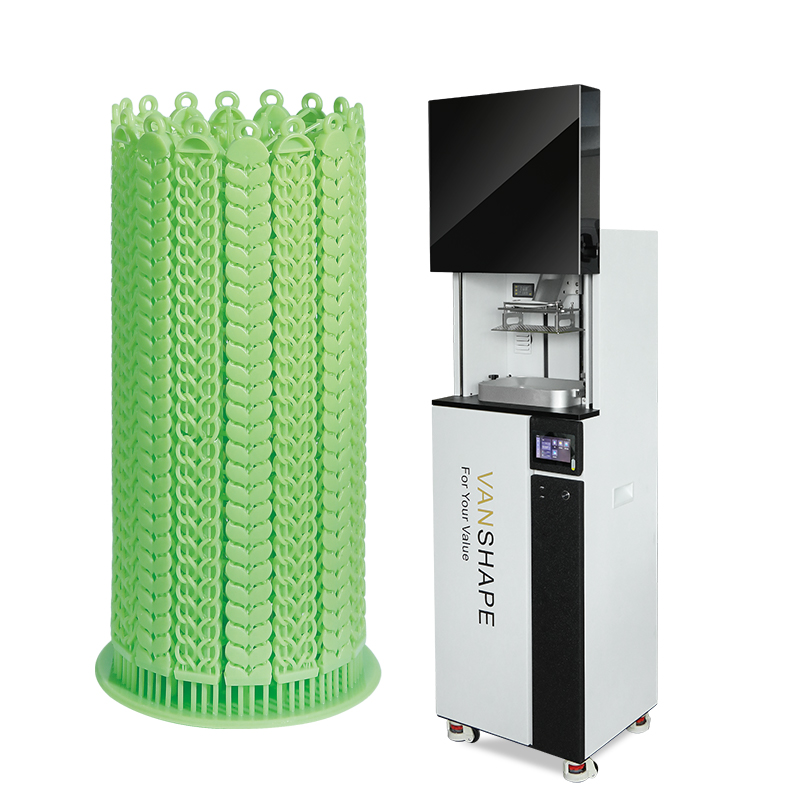
3D printing technologies are beginning to complement traditional casting processes, offering new possibilities for design complexity and production flexibility. While traditional casting equipment remains essential for volume production, these emerging technologies create new opportunities for jewelry manufacturers to expand their capabilities and serve evolving market needs.
The vacuum casting machine is generally considered the most critical piece of equipment in jewelry casting operations. This machine directly affects casting quality and determines the level of detail that can be achieved in finished pieces. However, all equipment in the casting line contributes to final results, and weak links in any area can compromise quality.
Equipment costs vary widely based on capacity, features, and quality levels. Small-scale equipment suitable for artisan workshops may cost several thousand dollars, while complete production lines for manufacturing facilities can reach hundreds of thousands of dollars. Working with manufacturers like Yihui Casting helps identify equipment that balances capability with budget constraints.
Modern jewelry casting equipment handles a wide range of metals including gold, silver, platinum, palladium, and various alloys. Different metals require specific temperature ranges and handling procedures, so equipment selection should consider the types of metals to be processed. Quality equipment provides the flexibility to handle multiple metal types effectively.
With proper maintenance, quality jewelry casting equipment can provide decades of reliable service. Equipment life depends on usage intensity, maintenance quality, and operating environment. Investing in quality equipment from reputable manufacturers and following recommended maintenance procedures maximizes equipment life and return on investment.
Yes, proper training is essential for safe and effective operation of jewelry casting equipment. Equipment manufacturers typically provide training resources, and experienced operators should mentor new staff. Improper operation can compromise safety, equipment life, and casting quality, making training investments essential for successful jewelry manufacturing operations.
Jewelry casting equipment forms the foundation of professional jewelry manufacturing, enabling the transformation of precious metals into beautiful, intricate designs that meet demanding market standards. From wax injection machines to vacuum casting systems, each piece of equipment plays a vital role in creating quality jewelry efficiently and consistently.
Understanding the various types of equipment, their applications, and selection criteria helps manufacturers make informed investment decisions that support their business objectives. Working with established equipment manufacturers like Yihui Casting provides access to quality equipment, expert guidance, and ongoing support that ensures successful jewelry manufacturing operations.
As the jewelry industry continues to evolve, staying current with equipment developments while maintaining existing systems positions manufacturers for continued success. The investment in quality jewelry casting equipment pays dividends through improved quality, increased efficiency, and enhanced capability to serve market demands for beautiful, well-crafted jewelry.
 online service
Scan to wechat :