Crucible size and capacity are among the most practical specifications to evaluate when purchasing a jewelry melting furnace. A furnace that is too small for your production needs creates bottlenecks, forces excessive melt cycles, and increases energy waste per unit of metal processed. A furnace that is too large for typical batches wastes energy heating unused capacity and may struggle to maintain temperature stability with small charges. Finding the right balance requires understanding how batch size, metal density, production volume, and crucible material interact to determine the optimal furnace capacity for your workshop.
Furnace manufacturers typically rate crucible capacity by the maximum weight of metal the crucible can hold. However, these ratings are usually based on a specific metal — most commonly copper or brass — and the actual capacity for other metals varies due to differences in density. Gold, with a density of 19.3 g/cm³, occupies significantly less volume than an equivalent weight of silver (10.5 g/cm³) or copper (8.96 g/cm³). A crucible rated for 2 kilograms of copper may hold approximately 2 kilograms of gold by weight but only about half the volume, meaning the same crucible could potentially hold more gold by weight if filled to the same level.
This density difference has practical implications. If a workshop primarily processes gold, a crucible rated for 1 kg of copper may accommodate 1 kg of gold with room to spare. Conversely, a workshop melting silver or copper alloys may find that the same crucible reaches its volumetric capacity before achieving the rated weight. When evaluating furnace specifications, always confirm which metal the capacity rating references and calculate the effective capacity for your primary working metal.
Additionally, crucibles should never be filled to their absolute maximum during operation. Industry best practice recommends filling crucibles to 70% to 80% of their rated capacity. This headspace accommodates thermal expansion of the molten metal, prevents overflow during stirring or pouring, and reduces the risk of metal contacting the furnace lid or heating elements. A furnace with a crucible rated for 2 kg should be operated with charges of 1.4 kg to 1.6 kg for safe and efficient performance.
The optimal crucible capacity depends on how your workshop structures its production. Workshops producing large runs of identical pieces benefit from fewer, larger melts. Each melt cycle involves energy consumption for heating, time for temperature stabilization, and labor for charging, skimming, and pouring. Consolidating production into larger batches reduces the number of cycles and spreads the per-cycle overhead across more finished pieces.
Conversely, workshops producing custom or one-off pieces may require smaller, more frequent melts. A large crucible partially filled with a small charge wastes energy heating empty space and may exhibit temperature control issues, as the furnace controller is calibrated for a specific thermal mass. In these scenarios, a smaller furnace matched to typical batch sizes delivers better efficiency and more stable temperature control.
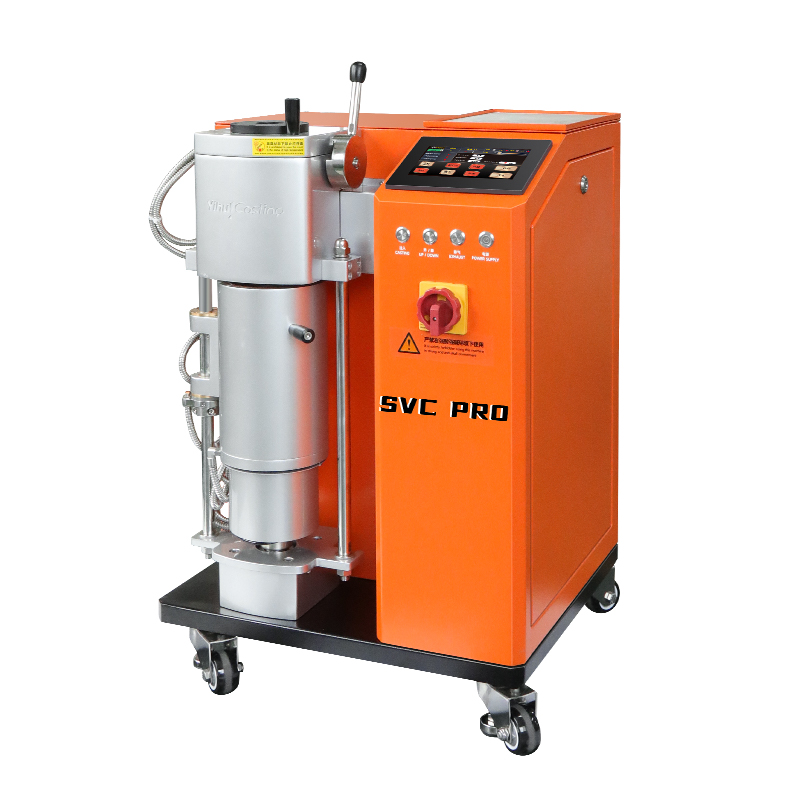
Consider also the casting method used. Jewelry casting equipment such as centrifugal or vacuum casting machines typically requires a specific volume of metal per casting tree. Calculate the average metal weight per tree, including feed channels and sprues, and multiply by the number of trees cast per session. This figure provides a baseline for the minimum crucible capacity needed to support a single casting session without intermediate refills.
Different metals and alloys impose different requirements on crucible selection beyond density. Gold and silver are relatively forgiving in terms of crucible compatibility, as they melt at temperatures within the range of standard graphite or clay-graphite crucibles. Platinum, however, requires crucibles made of alumina, zirconia, or other refractory materials capable of withstanding temperatures above 1,800°C without degrading or contaminating the melt.
If a workshop processes multiple metal types, the crucible material must be compatible with the highest-temperature metal in the production schedule. Using a graphite crucible for platinum work is not practical, as graphite degrades rapidly at platinum temperatures and introduces carbon contamination into the melt. Workshops that alternate between precious metals should either select a furnace with a crucible compatible with all target metals or plan for crucible changes between metal types, which adds time and labor to each transition.
Alloy composition also affects crucible life. Metals containing zinc, such as some gold alloys, produce zinc oxide fumes during melting that can react with certain crucible materials. Silicon-containing alloys may leave residues that accumulate over successive melts, reducing crucible capacity and eventually requiring replacement. Factoring expected crucible lifespan into the total cost of ownership provides a more accurate picture of operating expenses than the purchase price alone.
When selecting crucible capacity, consider not only current production volume but also anticipated growth. A furnace that matches today's batch sizes exactly leaves no room for increased demand. Purchasing a furnace with 20% to 30% excess capacity provides flexibility to handle larger orders without immediate equipment replacement. However, avoid excessive over-sizing, as operating a large furnace with small charges is inefficient and can compromise temperature control.
For growing workshops, modular furnace designs that allow crucible changes without replacing the entire unit offer a practical middle ground. These systems let workshops start with a smaller crucible and upgrade to a larger one as production volume increases, provided the furnace's heating capacity can accommodate the larger charge. This approach extends the useful life of the equipment investment and reduces the total cost of scaling.
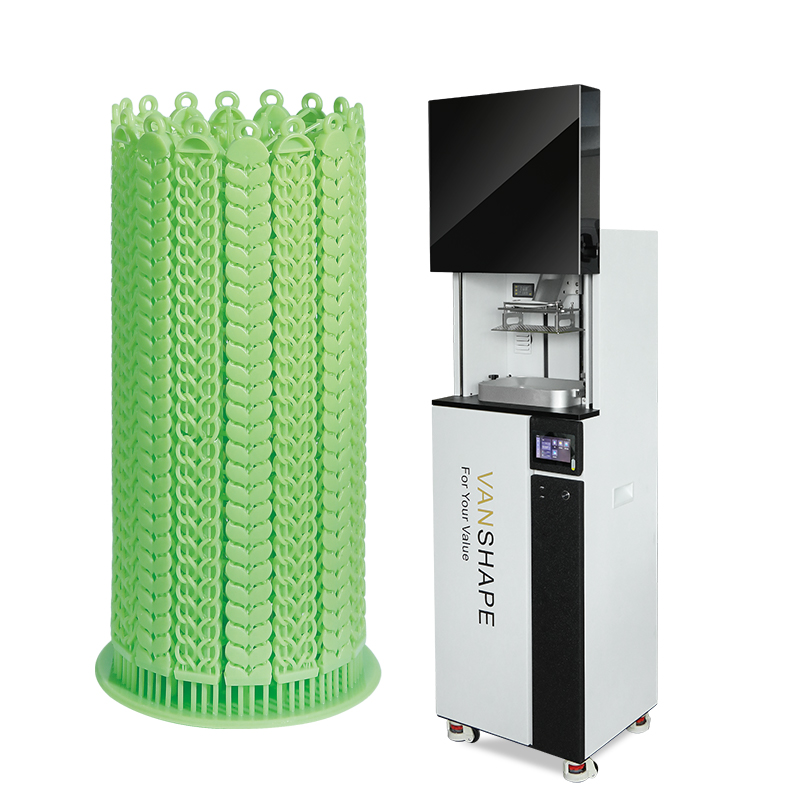
Also consider the relationship between melting capacity and downstream processes. A high-capacity furnace that produces large melts requires corresponding capacity in mold making equipment for jewelry, casting machines, and finishing stations. Bottlenecks in any of these areas negate the throughput advantage of a larger furnace. Evaluate the entire production chain to ensure that melting capacity is matched by downstream processing capability.
Crucible shape affects both melting efficiency and pouring control. Tall, narrow crucibles concentrate heat efficiently and reduce surface area exposure, which minimizes oxidation. Shallow, wide crucibles provide easier access for skimming and stirring but expose more metal surface to air. For precious metal work where oxidation and metal loss are concerns, deeper crucible profiles are generally preferred.
The furnace's tilt or pour mechanism must also be compatible with the crucible size. Larger crucibles holding several kilograms of molten metal require robust tilt systems — manual, motorized, or hydraulic — to pour safely and controllably. A crucible that is too large for the tilt mechanism creates safety risks during pouring, as the operator may struggle to control the flow of heavy molten metal. Verify that the furnace's pouring system is rated for the crucible capacity you select.
Finally, consider the physical space required for crucible handling. Larger crucibles require more clearance for installation, removal, and replacement. The furnace location must accommodate not only the unit itself but also the working space needed for charging metal, skimming dross, and pouring. Workshops with limited floor space may need to balance crucible capacity against available workspace, potentially opting for a slightly smaller furnace that fits the operational layout.
Selecting the right crucible size and capacity for a jewelry melting furnace requires careful analysis of metal types, batch sizes, production volume, and workshop layout. Key steps include converting capacity ratings to effective capacity for your working metal, accounting for the 70% to 80% fill guideline, and evaluating whether the crucible material is compatible with all metals in your production schedule. Growth planning and downstream process capacity should also factor into the decision to ensure that the furnace supports both current and future production needs.
By matching crucible capacity to actual production requirements rather than opting for the largest available size, workshops can achieve efficient energy use, stable temperature control, and safe pouring operations. Yihui Casting provides jewelry melting furnaces in a range of capacities, with crucible options suited to gold, silver, platinum, and alloy processing. Review our furnace specifications to find the capacity that aligns with your workshop's production profile.
 online service
Scan to wechat :