The build quality of a jewelry melting furnace directly influences the purity of the molten metal it produces and, by extension, the quality of the finished castings. While temperature range and capacity specifications often dominate the selection process, the materials and construction methods used in the furnace chamber, heating elements, crucible seat, and insulation determine whether the furnace introduces contaminants, maintains thermal stability, and delivers consistent performance over its service life. For workshops producing fine jewelry where metal purity directly affects appearance, mechanical properties, and customer satisfaction, understanding these construction factors is essential.
The inner chamber of a melting furnace is exposed to high temperatures, metal vapors, and flux residues throughout its operating life. The materials used in chamber construction must withstand these conditions without releasing contaminants into the melt. Low-quality furnaces may use standard firebrick or generic refractory materials that contain iron oxide, silica, and other compounds capable of reacting with precious metals at elevated temperatures. These reactions can introduce trace contaminants that affect metal color, hardness, and casting fluidity.
Higher-quality furnaces use alumina-based refractory linings, which are chemically inert at precious metal melting temperatures. Alumina linings resist reaction with gold, silver, and their alloys, maintaining a clean melting environment even after hundreds of cycles. For platinum melting, where temperatures exceed 1,800°C, the chamber lining must be composed of high-grade materials such as fused alumina or zirconia, as standard refractories degrade rapidly at these temperatures and release particulate matter into the melt.
The crucible seat — the surface on which the crucible rests — is another potential contamination source. Seats made from materials that differ from the crucible composition can create reaction zones at the contact point, particularly if flux or metal spills occur. Quality furnaces use crucible seats made from compatible refractory materials and design the seat to minimize contact area, reducing the risk of chemical interaction.
Heating elements determine not only how quickly the furnace reaches operating temperature but also how uniformly heat is distributed within the chamber. In resistance furnaces, element quality affects both performance and contamination risk. Low-grade heating elements may shed oxide particles as they age, particularly if operated near their maximum temperature rating. These particles can enter the melt through the crucible opening or settle on the crucible exterior and migrate through micro-cracks.
Quality resistance furnaces use heating elements made from silicon carbide (SiC) or molybdenum disilicide (MoSi2), which maintain structural integrity at high temperatures and produce minimal oxide shedding. Element placement also matters. Furnaces with elements distributed evenly around the chamber circumference provide more uniform heating than those with elements concentrated on one or two sides. Uniform heating reduces temperature gradients within the crucible, ensuring the entire melt reaches the target temperature simultaneously rather than creating hot spots that can cause localized overheating.
In induction furnaces, the coil construction and magnetic field uniformity serve a similar role. Well-constructed induction coils with consistent winding spacing deliver a uniform magnetic field, which produces even heating throughout the metal charge. Poorly wound coils create field concentrations that can cause uneven heating and reduce the efficiency of electromagnetic stirring, compromising alloy homogenization.
Furnace insulation serves two functions: it contains heat within the chamber for energy efficiency, and it maintains stable temperatures by reducing thermal loss through the furnace walls. The quality of insulation directly affects both. Multi-layer insulation systems, combining dense refractory backing with lightweight ceramic fiber insulation, provide superior thermal performance compared to single-layer designs.
Insulation quality impacts casting results through its effect on temperature stability. During a melt cycle, the furnace controller adjusts power to maintain the target temperature. If insulation is poor, heat loss through the walls creates continuous thermal drain, causing the controller to cycle power more frequently. This cycling produces temperature fluctuations within the chamber that can transfer to the melt, particularly in resistance furnaces where the crucible is heated indirectly. The result is a melt that may be at the correct average temperature but experiences periodic temperature swings that affect casting fluidity and solidification behavior.
High-quality insulation also reduces the external surface temperature of the furnace, which improves workplace safety and reduces the load on workshop ventilation systems. While not directly related to metal purity, these factors contribute to the overall operating environment and indirectly affect casting quality by improving operator comfort and reducing ambient temperature fluctuations that can influence mold temperatures.
Molten precious metals absorb gases from the surrounding atmosphere. Gold and silver readily dissolve oxygen, hydrogen, and nitrogen at elevated temperatures, and dissolved gases are a primary cause of porosity in cast jewelry. The furnace chamber design influences the extent of gas absorption by determining how much atmospheric exposure the melt receives.
Open-chamber furnaces, where the crucible is accessible from the top during melting, provide maximum atmospheric exposure. While this design allows easy access for charging and skimming, it also means the molten metal is in contact with ambient air throughout the melt cycle. Quality open-chamber furnaces mitigate this by including draft-controlled lids that reduce air circulation over the melt surface and by supporting the use of flux coverings that create a protective barrier.
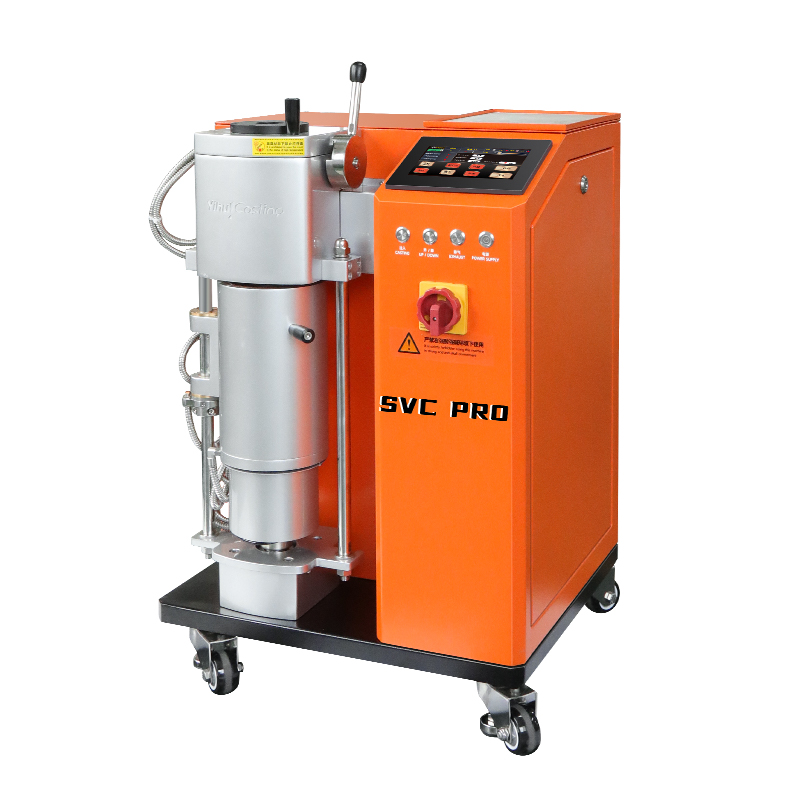
For workshops requiring higher purity, sealed-chamber furnaces with atmosphere control capabilities offer significant advantages. These furnaces can operate under vacuum, inert gas, or reducing atmosphere, eliminating gas absorption during melting. Vacuum melting is particularly valuable for platinum and high-karat gold, where dissolved gases have pronounced effects on casting quality. When paired with a vacuum pressure casting machine, a sealed-chamber furnace enables an integrated melting and casting process that maintains metal purity from furnace to mold.
The effects of build quality on metal purity and casting results are not limited to the first months of operation. Over time, inferior construction materials degrade, insulation compacts, heating elements oxidize, and chamber surfaces accumulate flux residues. These changes gradually shift the furnace's performance characteristics, often in ways that are difficult to detect without systematic monitoring.
Workshops using lower-quality furnaces may observe increasing porosity rates, color variations in cast pieces, or inconsistent fluidity over months of use — all traceable to gradual degradation of furnace components. Quality furnaces, built with durable materials and designed for maintenance accessibility, exhibit more stable performance over their service life. Features such as replaceable heating elements, removable crucible seats, and accessible insulation panels allow workshops to restore performance through scheduled maintenance rather than full furnace replacement.
Documenting casting defect rates and correlating them with furnace age and maintenance history provides a data-driven approach to managing build quality effects. Workshops that track these metrics can identify when component replacement is needed before casting quality is compromised, maintaining consistent production standards.
Build quality is a determining factor in the metal purity and casting results a furnace can deliver. Chamber materials, heating element construction, insulation design, and atmosphere control capabilities all contribute to the melting environment. Furnaces built with chemically inert refractory linings, quality heating elements, multi-layer insulation, and atmosphere control options provide a cleaner, more stable melting environment that supports consistent casting quality over the equipment's service life.
When evaluating furnace options, look beyond capacity and temperature specifications. Examine the materials used in chamber construction, the type and placement of heating elements, the insulation system design, and the availability of atmosphere control features. These construction details, combined with proper maintenance and the right downstream equipment — from casting machines to jewelry laser welding machine tools for post-cast processing — determine the quality ceiling of your production output. Yihui Casting manufactures melting furnaces with attention to construction quality at every level, supporting workshops that prioritize metal purity and casting consistency.
 online service
Scan to wechat :