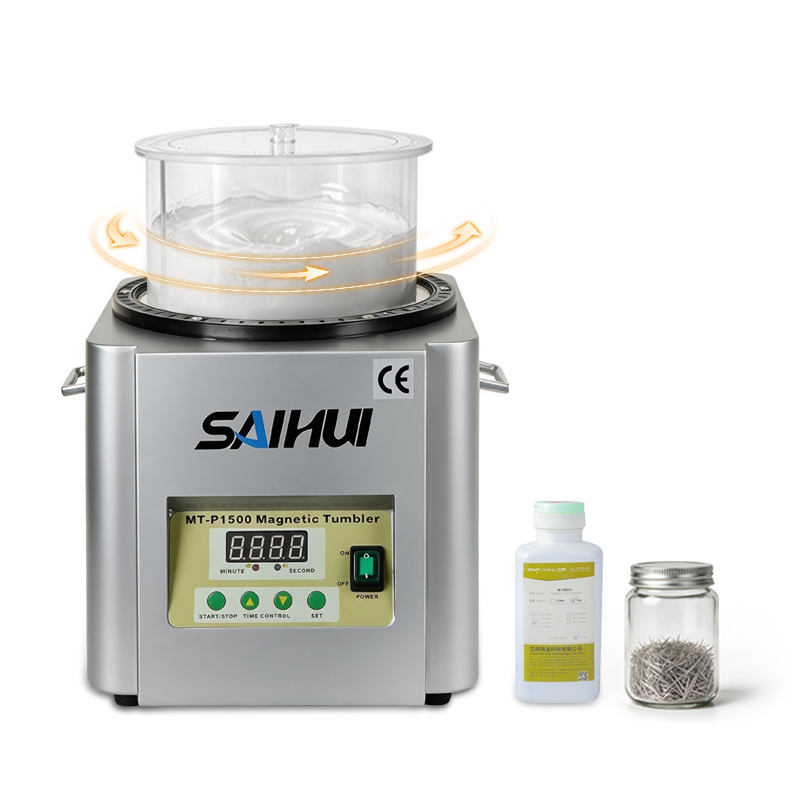
Rough/wrinkled casting surface: 5 major causes+precise solutions
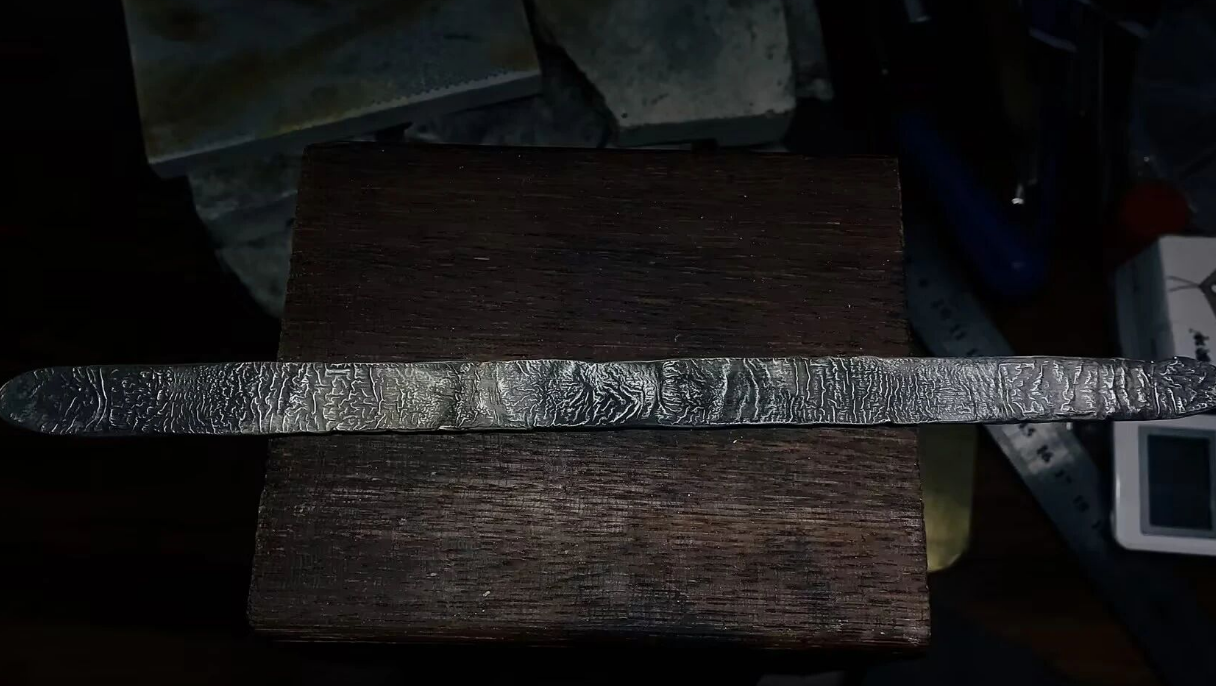
In precision casting production, the surface quality of castings directly determines the appearance accuracy, density, and service life of products, and surface roughness and wrinkling are one of the most frequent surface defects. These types of defects not only affect aesthetics, but also increase the difficulty of subsequent processing, reduce coating adhesion, and in severe cases weaken the strength and corrosion resistance of castings, resulting in material waste, labor loss, and rising costs. Based on 20 years of practical experience in precision casting technology at Yihui, this article deeply analyzes the core causes of surface roughness/wrinkling, provides practical solutions and prevention strategies throughout the entire process, and helps enterprises to steadily improve the quality of casting products.
1、 Core causes of surface roughness/wrinkling
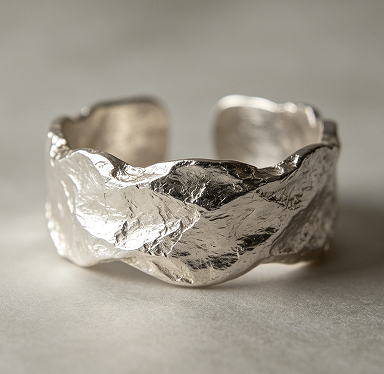
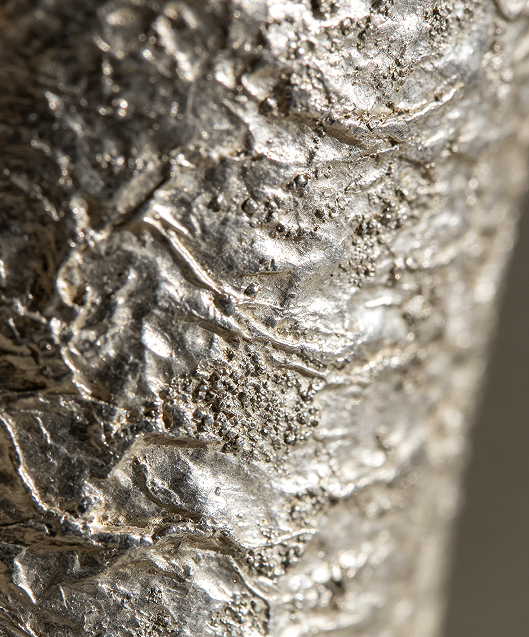
The roughness and wrinkling of the casting surface are not the result of a single mistake, but rather the superposition of process deviations in the entire process of wax mold preparation, wax burning and loss, metal pouring, and casting powder selection. The core causes are as follows:
Defects in the basic forming of wax parts: The surface of the wax mold itself is rough, has burrs or defects, and is directly replicated on the surface of the casting, which is the source of the defect.
Out of control wax burning process parameters: excessive wax burning temperature, rapid heating, or insufficient duration (less than 2 hours), resulting in wax residue, damage to the mold cavity, and surface roughness.
Water vapor wax loss timeout: If the wax loss process exceeds 1 hour, water vapor will corrode the inner wall of the mold cavity for a long time, damaging the smoothness of the mold cavity and forming wrinkles and pitting.
Excessive pouring temperature of molten metal: The melting temperature of the metal far exceeds the process standard, and the high-temperature molten metal reacts violently with the mold cavity, resulting in surface sand adhesion and roughness.
The quality of casting powder raw materials does not meet the standard: the casting powder particles are too coarse, doped with impurities, or not fully screened, and the surface of the mold cavity is uneven after molding, directly affecting the appearance of the casting.
2. Targeted solutions
In response to the above causes, combined with the traditional craftsmanship of Yihui, 5 precise solutions are provided, covering key nodes in the entire casting process:
Fine processing of wax pattern substrate
Before pressing the adhesive film on the silver plate, it must be thoroughly polished to remove surface burrs, scratches, oxide layers, and impurities, ensuring that the silver plate substrate is smooth and flat, and eliminating the problem of wax mold roughness from the source.
Standardization and control of wax burning process
Strictly control the wax burning temperature at 150-180 ℃, and the wax burning time should not be less than 2-3 hours. Adopt a uniform heating mode to avoid sudden temperature increases and decreases. Ensure that the wax parts are fully melted and slowly discharged, with no wax residue in the mold cavity, while protecting the integrity of the mold cavity structure, laying the foundation for high-quality casting.
Strictly control the aging of water vapor wax loss
The process of losing wax must be completed within 1 hour, and the temperature and pressure of water vapor should be set reasonably to ensure complete discharge of wax parts and avoid long-term erosion of the inner wall of the mold cavity by water vapor, maintaining the smoothness of the mold cavity surface.
Accurate matching of metal pouring temperature
Strictly follow the corresponding melting temperature standards and accurately control the pouring temperature based on the type of casting metal (such as silver, copper, gold, and other precious metals). Ensure good fluidity of the molten metal for sufficient filling, while avoiding surface defects such as sand adhesion and roughness caused by high temperatures.
Strict screening of casting powder quality
Select high-quality casting powder with fine, uniform, and impurity free particles, and conduct thorough screening before use to remove coarse particles and impurities. High quality casting powder can ensure smooth surface and stable structure of the mold cavity, avoiding surface defects from the raw material end.
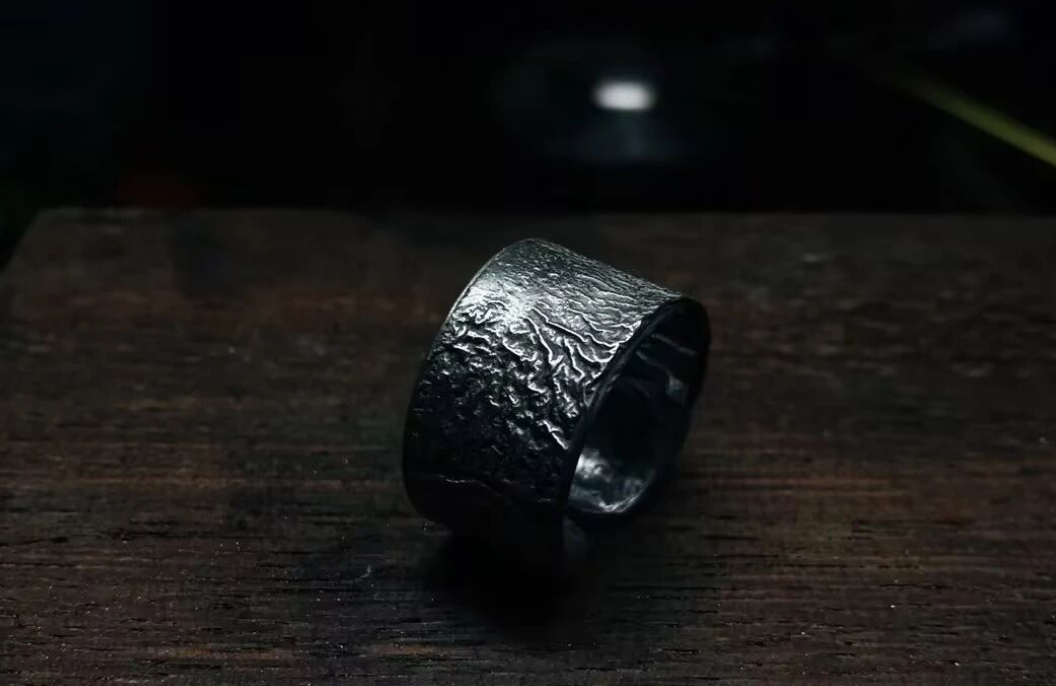
3、 Long term preventive measures
Casting production is interdependent, and in addition to targeted problem-solving, it is necessary to establish a long-term prevention mechanism to achieve stable quality output
Establish a standardized system for process parameters, clarify temperature, duration, and pressure standards for each stage of wax burning, wax loss, and pouring, and ensure that operators strictly follow the specifications.
Regularly inspect the quality of casting powder and metal raw materials, establish a supplier admission and sampling mechanism, and prevent unqualified raw materials from entering the production line.
Strengthen equipment maintenance and calibration to ensure stable operation of heating furnaces, wax loss equipment, and pouring equipment, and avoid process deviations caused by equipment failures.
Regularly conduct process reviews and employee training, summarize defect cases, optimize operational details, and enhance team process control capabilities.
Conclusion:
The surface quality of precision casting comes from the refined control of the entire process. Surface roughness, wrinkling and other defects are mainly caused by non-standard process parameters, substandard raw material quality, and insufficient control of operational details. Enterprises need to strictly implement the above solutions, standardize operations, accurately control parameters, strictly control raw materials, and regularly optimize processes and summarize experience in order to effectively reduce defects, lower rework and scrap rates, improve production efficiency, and achieve orderly and efficient casting production and quality upgrades.
Yihui Casting Technology Co., Ltd. was established in 2003. After more than 20 years of accumulation, Yihui has now developed into a national high-tech enterprise that integrates research and development, production, sales, consulting, installation, and training of lost wax casting equipment, and provides one-stop solutions for metal casting. Yihui Casting Technology products include metal casting equipment, casting wax, graphite products, quartz products, etc., which are exported to Southeast Asia, the Middle East, Europe, America and other regions. The company has its own R&D team, which independently develops and produces automated vacuum die-casting machines, G20 vacuum bead scattering machines, and intelligent system D3 vacuum pressure casting machines, breaking the industry's long-standing dependence on imported high-performance jewelry equipment.
For more information about Yihui Casting Technology Co., Ltd., please visit our official website or contact our team.website: www.yihuicasting.com email : info@yihuicasting.com whatsapp : +86-13802830498
 online service
Scan to wechat :