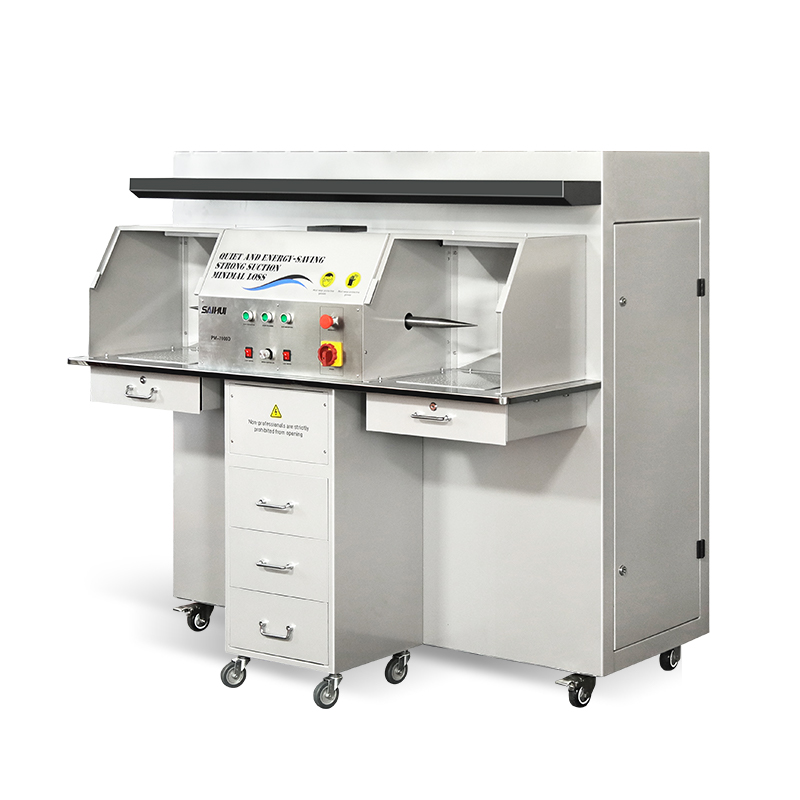
A 3D printer is a machine that creates solid objects from digital files. 3D-printed items are produced using an additive manufacturing process, in which material is built up layer by layer to form the final object. Each layer represents a cross-section of the design. Compared with traditional manufacturing methods, 3D printing can create complex shapes while using less material.
3D printers are widely used to create models, prototypes, and end-use products. While they were originally adopted mainly by designers and engineers for product development, they are now increasingly used for small-batch and mass production as well. Applications range from shoe prototypes and furniture components to jewelry wax patterns, tools, tripods, gift items, toys, and many other customized or functional products.
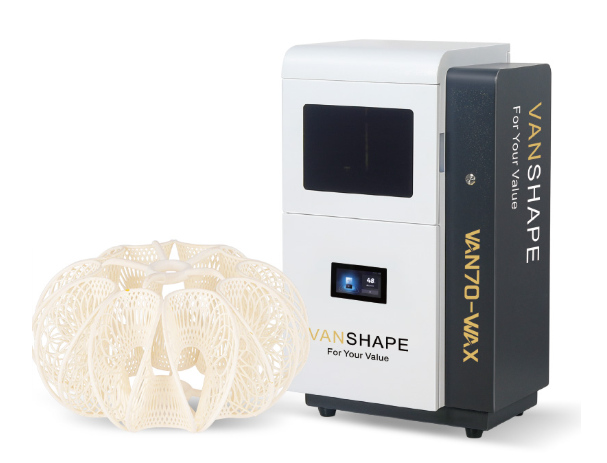
3D printing is transforming the jewelry industry by changing both the design and production process. It has made custom jewelry more accessible and affordable by reducing the time, labor, and skill traditionally required for hand-crafted production. Jewelers can now design rings and other pieces much more quickly, while digital tools allow customers to personalize designs before production begins.
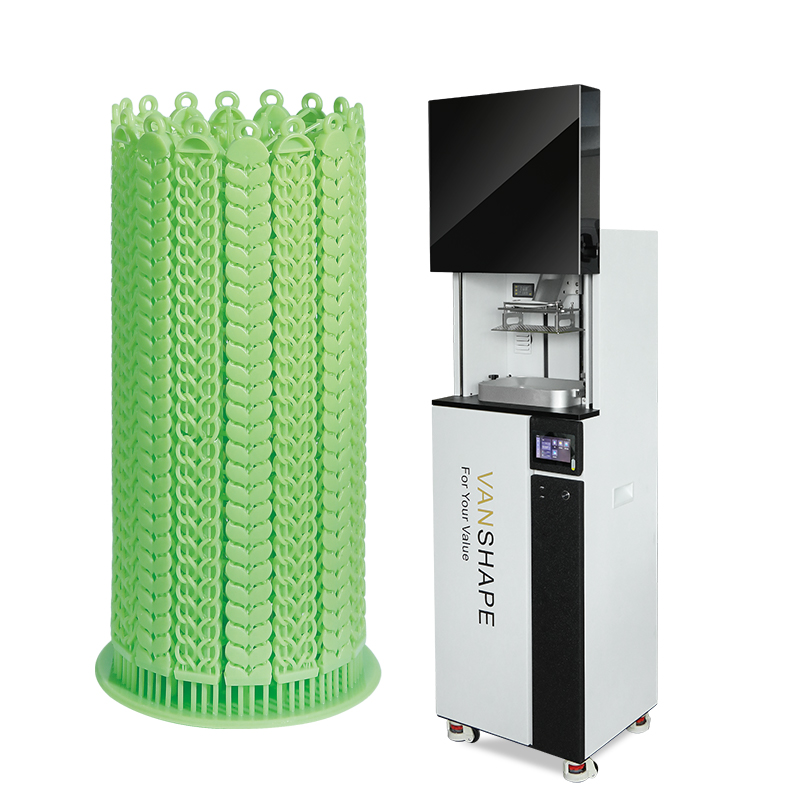
In addition, 3D printers can produce highly accurate wax patterns for casting, making it possible to create retail-quality jewelry with greater speed and consistency. As a result, both small independent jewelers and large jewelry brands are increasingly embracing the potential of 3D printing technology.
Many pieces sold in traditional jewelry stores are highly similar in style, which has led to growing demand for personalized jewelry. Customers today are looking for more than simple engraved text—they want unique, customized pieces designed around their own preferences. With CAD software, jewelers can create original designs digitally without relying solely on hand carving.
Customer experience is a key factor that sets one jeweler apart from another, and 3D printing is helping improve that experience in several ways. After discussing a design with a customer, a jeweler can create and 3D print a prototype of the desired piece within hours. This makes the design process more interactive, visual, and collaborative.
At the same time, 3D printing significantly shortens the time from concept to finished product. While traditional custom jewelry production can take months, 3D printing can reduce the timeline dramatically. In many cases, jewelers can design, print, cast, and finish a ring within one to two weeks.
Because customers can see and refine a design before final production, they gain greater confidence that the finished jewelry will match their expectations. In addition, the ability to produce more complex and customized designs allows jewelers to serve a wider range of customer needs.
3D printing is suitable for both small-series and larger-scale jewelry production. Wax patterns created with 3D printing can be used to produce multiple pieces through molding and casting, allowing jewelers to manufacture five, ten, or more items at a time for inventory.
This flexibility enables jewelers to offer a broader range of products at different price points. Fully bespoke jewelry can be priced at a premium, while exclusive in-house designs produced in small batches can be offered at a more accessible cost. For small jewelry brands in particular, this creates a valuable competitive advantage.
The ability to design and 3D print prototypes within hours is fundamentally changing traditional jewelry workflows, making product development faster, more flexible, and more efficient.
SLA (Stereolithography) was the first 3D printing technology to achieve widespread adoption. In this process, objects are created using a UV laser that moves across an XY plane, curing photosensitive resin layer by layer. These layers are built on a vertically moving platform to gradually form the final 3D object.
SLA printers can be used not only with castable resins for jewelry production, but also with a wide range of other materials, including resins for rubber mold production in jewelry and dentistry, as well as technical resins for engineering applications.
Pros:
Very smooth surface finish
High dimensional accuracy
Wide range of material options
Relatively large build volumes
Cons:
Slower printing speed
Ongoing maintenance requirements
Higher consumables cost
Support structures are required during printing
Alongside the rise of SLA printers, DLP (Digital Light Processing) 3D printers also became increasingly popular. Instead of using a laser, DLP printers rely on a UV projector to cure an entire layer of resin at once, enabling faster printing speeds than SLA systems. Although DLP printers are generally more expensive, they offer higher productivity.
Like SLA printers, DLP systems are compatible with a variety of resin materials and are widely used in industries such as jewelry and dentistry.
Pros:
High printing speed
Compatible with a wide range of materials
Good dimensional accuracy
Cons:
Higher equipment cost
Limited build volume
High consumables cost
Support structures are required during printing
Wax printers for jewelry first appeared on the market in the early 2000s. By printing directly in wax, they make it possible to produce models that are ready for lost-wax casting. Another key advantage is that they can print without traditional support structures, as they use a soluble support material that can be removed after printing. However, their high cost and limited printing speed have made this technology less accessible and less attractive over time.
For many years, wax printers were considered one of the most desirable technologies for jewelry model production. Over time, however, the widespread adoption of SLA and DLP systems—together with major improvements in castable resins for SLA and LCD printers—has increasingly challenged the position of wax printing in the jewelry industry.
A further disadvantage of wax printers is their relatively slow printing speed, which still lags behind competing technologies despite ongoing improvements. Their material options are also limited, as they are designed to print only in wax. This restricts their use in applications such as rubber mold production and can make it difficult to produce extremely thin layers due to the fragility of the material.
Because of their high purchase cost, ongoing investment requirements, and the need for continuous production to avoid printhead clogging, wax printers have traditionally been used mainly by large-scale jewelry manufacturers.
Pros:
Highly castable wax models
No need for conventional support structures
Cons:
High equipment cost
Large machine footprint and maintenance requirements
Slow printing speed
Limited material options
The first LCD 3D printers entered the market between 2017 and 2018, significantly lowering the barrier to entry for users by reducing initial investment costs. Today, high-quality LCD printers are available for less than 500 euros.
The rapid adoption of this technology was driven not only by its affordability but also by its strong print quality and relatively fast production speed, although DLP printers still remain the fastest option. Offering a similar level of detail at roughly one-tenth the cost of SLA, DLP, and especially wax-based printers, LCD printers have quickly become one of the most widely used 3D printing technologies in the jewelry industry.
At the same time, continuous advancements in castable resin development have further improved performance, with modern resins now rivaling traditional wax-based printing in key applications.
Pros:
High resolution and detail
Low equipment cost
Good printing speed
Cons:
Support structures required during printing
There is no single answer to the question, “What is the best 3D printer for jewelry?” The ideal choice depends on several factors, including budget, production volume, and specific application needs.
Among the available options, LCD printers are becoming an increasingly attractive choice due to their low cost and solid performance. At the same time, ongoing improvements in castable resins are making this technology more competitive than ever, further expanding its potential in jewelry production workflows.
 online service
Scan to wechat :