Energy consumption is a significant component of the total operating cost of a jewelry melting furnace, and the choice of furnace technology has a direct impact on monthly electricity or fuel bills. Electric resistance furnaces, induction furnaces, and gas-fired furnaces each convert energy into heat through different mechanisms, with varying efficiency levels, standby losses, and maintenance requirements. For workshop managers calculating the total cost of ownership, understanding these differences is essential for making an informed equipment decision. This article compares energy consumption characteristics across furnace types and provides a framework for estimating long-term operating costs.
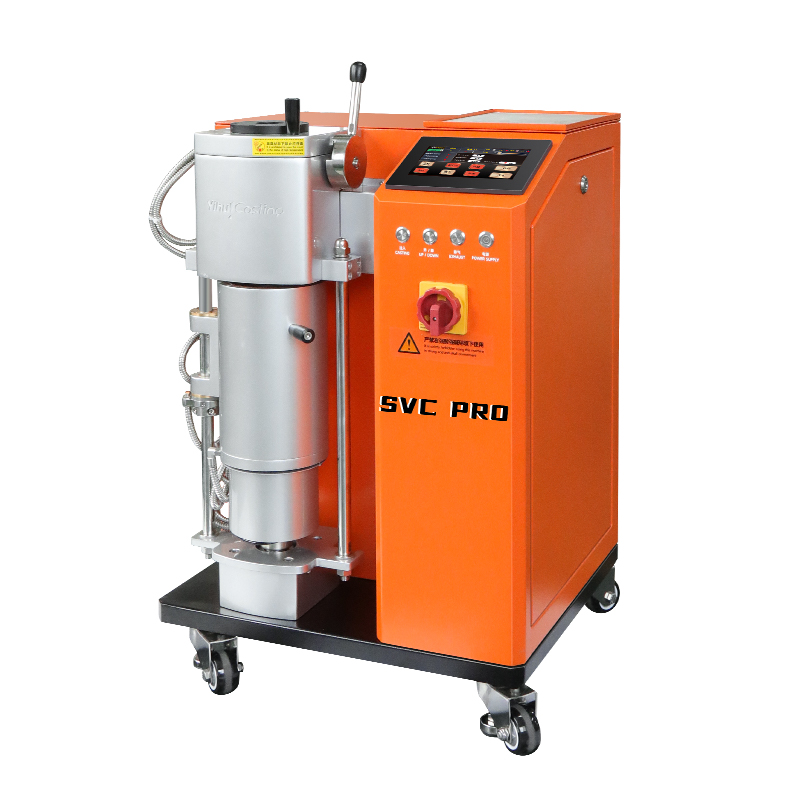
Energy conversion efficiency — the percentage of input energy that ultimately reaches the metal charge as heat — varies substantially across furnace technologies. Induction furnaces typically achieve the highest efficiency, converting 70% to 85% of input electrical energy into heat within the metal. This high efficiency results from direct electromagnetic coupling between the induction coil and the conductive metal charge, which bypasses the thermal transfer losses inherent in indirect heating methods.
Electric resistance furnaces generally achieve 40% to 60% thermal efficiency for the metal charge. The heating elements must heat the chamber, crucible, and surrounding insulation before thermal energy reaches the metal. While modern resistance furnaces use reflective chamber coatings and multi-layer insulation to improve efficiency, the fundamental physics of indirect heating impose losses that cannot be eliminated. Standby losses — heat lost through the furnace walls while the furnace holds temperature between melts — further reduce the effective efficiency in intermittent operation.
Gas-fired furnaces, which burn natural gas or propane to heat the chamber, typically achieve 25% to 40% thermal efficiency for the metal charge. A significant portion of the combustion energy exits through the flue as exhaust gas heat. While gas is generally cheaper per unit of energy than electricity in most markets, the lower efficiency partially offsets this price advantage. Gas furnaces also introduce combustion products into the workshop environment, requiring more robust ventilation systems that add to operating costs.
To estimate the energy cost per melt cycle, three variables are needed: the furnace power rating (in kilowatts), the melt cycle duration (in hours), and the local electricity rate (per kilowatt-hour). For an induction furnace rated at 15 kW with a 5-minute (0.083 hour) melt cycle and an electricity rate of $0.15 per kWh, the per-melt energy cost is: 15 kW × 0.083 hours × $0.15/kWh = $0.19. For a resistance furnace rated at 8 kW with a 15-minute (0.25 hour) melt cycle at the same electricity rate: 8 kW × 0.25 hours × $0.15/kWh = $0.30.
While the resistance furnace has a lower power rating, its longer cycle time and lower efficiency result in a higher per-melt energy cost in this example. The actual figures vary based on furnace specifications, metal type, charge size, and local energy rates, but the calculation method applies universally. Workshop managers should request power consumption data from furnace manufacturers and perform this calculation using local energy rates to generate accurate comparisons.
It is also important to account for standby energy consumption. Furnaces left powered on between melts consume energy to maintain chamber temperature even when no melting is occurring. For resistance furnaces, standby power consumption can be 20% to 40% of full power, depending on insulation quality. Induction furnaces, which do not maintain chamber temperature between cycles, typically consume minimal standby power. Over a full production day with multiple idle periods, standby consumption can add significantly to total energy costs.
While furnace technology establishes the baseline efficiency, several operational factors influence actual energy consumption. Batch size is among the most significant. Furnaces operated with small charges relative to their capacity waste energy heating empty crucible space and chamber volume. A furnace rated for 2 kg operated with 500-gram charges may achieve only 50% of its theoretical per-kilogram efficiency. Matching crucible capacity to typical batch sizes, as discussed in our crucible selection guide, is one of the most effective ways to optimize energy use.
Insulation quality and condition also affect efficiency. Furnace insulation degrades over time due to thermal cycling, mechanical damage, and chemical attack from flux residues. Compacted or degraded insulation increases heat loss through the furnace walls, raising energy consumption per melt by 10% to 25% depending on the extent of deterioration. Regular inspection and replacement of insulation when signs of degradation appear helps maintain original efficiency levels.
Cold starts versus maintained temperature also matter. Furnaces started from cold each morning require a warm-up period that consumes energy without producing castings. Workshops that maintain furnace temperature overnight or between shifts avoid repeated warm-up cycles but incur standby energy costs during idle periods. The optimal strategy depends on the production schedule and the relative costs of warm-up energy versus standby energy for the specific furnace model.
Energy cost is one component of total operating cost. A comprehensive analysis should also include consumable costs (crucibles, flux, thermocouples), maintenance costs (heating element replacement, insulation repair, electrical component servicing), and labor costs associated with furnace operation. Induction furnaces, while more energy-efficient, typically incur higher maintenance costs due to the complexity of their frequency converters, cooling systems, and coil assemblies. Resistance furnaces have lower maintenance requirements but higher per-melt energy costs.
To illustrate the total cost picture, consider a workshop performing 20 melt cycles per day, 250 days per year, for a total of 5,000 melts annually. Using the per-melt energy cost examples above, the annual energy cost for the induction furnace would be approximately $950, compared to $1,500 for the resistance furnace. However, if the induction furnace requires $500 in annual maintenance that the resistance furnace does not, the net annual operating cost difference narrows to $50. The capital cost difference between the two furnace types, amortized over the equipment lifespan, may further narrow or eliminate the operating cost advantage.
For workshops processing platinum or other high-temperature metals, the analysis shifts. Gas furnaces are rarely suitable for platinum temperatures, and resistance furnaces capable of reaching 1,800°C+ are expensive to operate due to the cost of specialized heating elements. Induction furnaces, despite their higher capital cost, often provide the lowest total operating cost for high-temperature applications.
Regardless of furnace type, several operational strategies can reduce energy consumption. First, consolidate small batches into fewer, larger melts whenever production scheduling allows. This reduces the number of warm-up cycles and standby periods, improving the ratio of productive energy to total energy consumed. Second, preheat metal charges using waste heat from the furnace exhaust or from adjacent equipment, reducing the energy needed to reach melting temperature.
Third, maintain furnace insulation in good condition. Inspect insulation regularly for cracks, compaction, and chemical degradation. Replace damaged sections promptly to prevent escalating heat loss. Fourth, use crucible lids during melting to reduce radiant heat loss from the crucible opening. A properly fitted lid can reduce per-melt energy consumption by 5% to 10% for resistance furnaces.
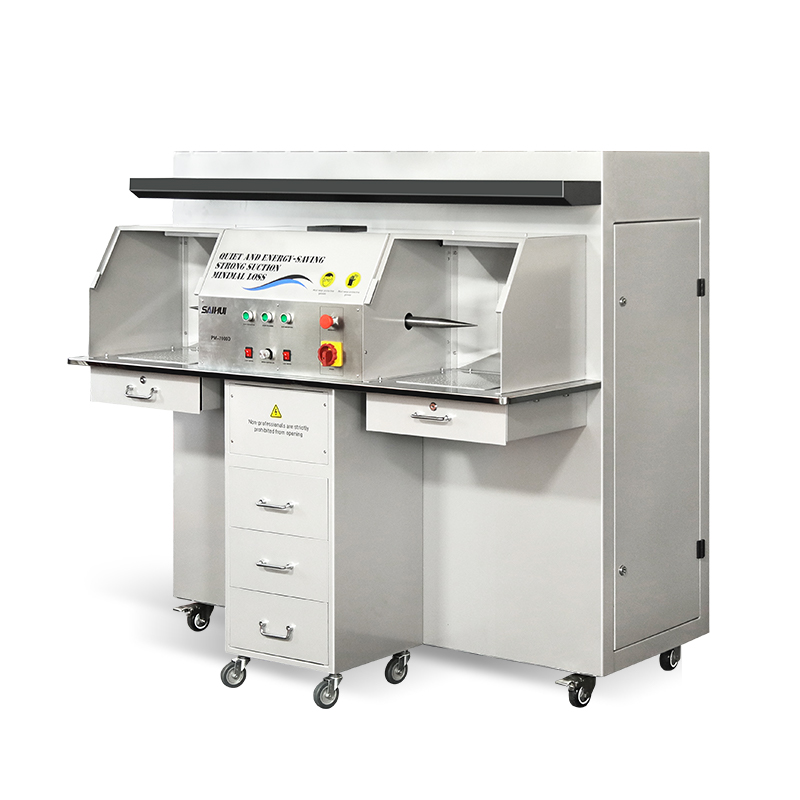
Fifth, schedule production to minimize idle periods. If the furnace must be powered on, ensure that it is being used for melting rather than simply maintaining temperature. Workshops that integrate their melting schedule with downstream processes — from casting to finishing with a jewelry polishing machine — can reduce total energy waste by keeping the entire production line in coordinated operation.
The energy consumption and operating costs of jewelry melting furnaces vary significantly by technology type, with induction furnaces offering the highest energy efficiency, resistance furnaces providing a balance of simplicity and moderate efficiency, and gas furnaces offering lower fuel costs but reduced thermal efficiency. Per-melt energy cost calculations, combined with consideration of standby losses, maintenance expenses, and consumable costs, provide a comprehensive picture of total operating expenses.
For workshop managers, the optimal furnace choice depends on production volume, metal types, local energy rates, and the workshop's tolerance for maintenance complexity. Induction furnaces generally deliver the lowest energy costs for high-volume or high-temperature applications, while resistance furnaces offer economical operation for moderate-volume gold and silver work. By matching furnace technology to production requirements and implementing energy-saving operational practices, workshops can manage their long-term operating costs effectively.
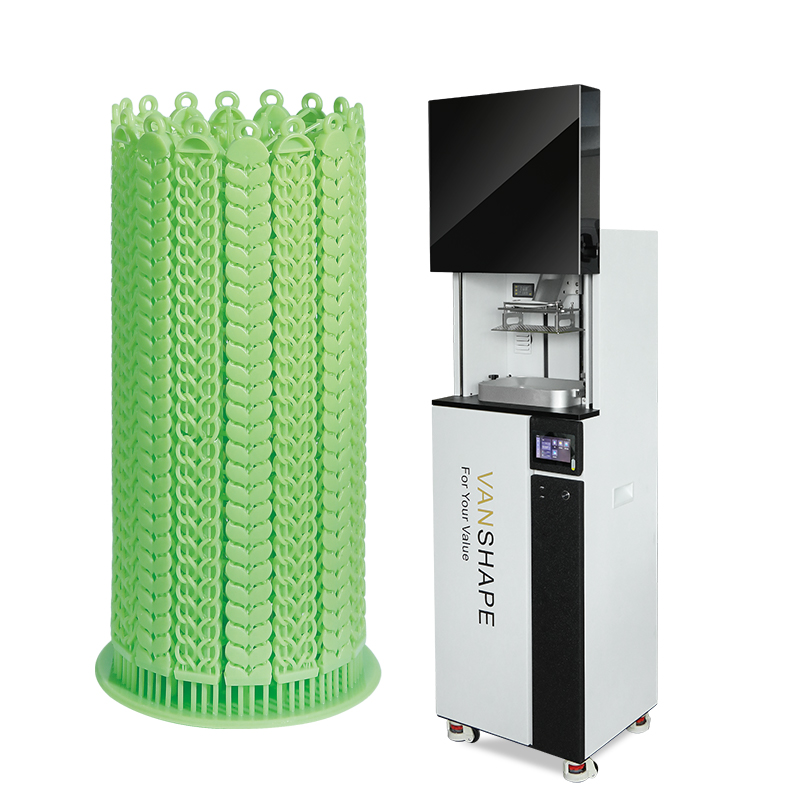
Yihui Casting provides a range of melting furnaces with documented energy consumption specifications, helping workshop managers make informed decisions based on their specific production profiles. Whether you are setting up a new workshop with a 3d jewelry printer and casting line or upgrading existing equipment, our team can provide detailed energy efficiency data and operating cost estimates for each furnace model. Contact us to discuss your production requirements and explore the furnace options that best fit your energy budget.
 online service
Scan to wechat :